
Drug Overdose Spike in 2025 Explained by New Study

A widely reported drug overdose spike in 2025 raised alarms across the U.S. public health landscape. However, new research published in the American Journal of Public Health clarifies that the surge was not a real increase, but rather a statistical artifact.
Researchers from Northwestern University analyzed federal data and found that predictive models used by the Centers for Disease Control and Prevention relied heavily on trends from 2022–2023, a period marked by rapid growth in overdose deaths driven by fentanyl.
These models, when applied to early 2025 data, overestimated mortality rates, creating a misleading signal of a national spike. Later revisions corrected the estimates, confirming a continued downward trend in overdose deaths.
The U.S. relies on provisional mortality data from the National Center for Health Statistics, which uses modeling techniques to adjust for reporting delays. While historically reliable, these models struggled during a turning point in the overdose epidemic.
The spread of fentanyl had previously driven sharp increases in overdose deaths. When the trend reversed, the models continued projecting upward trajectories, resulting in:
For healthcare professionals, accurate overdose surveillance is essential for decision-making, resource allocation, and patient care strategies.
According to lead researcher Lori Ann Post, the answer is yes. The study emphasizes that CDC data remains the most reliable near real-time source, despite modeling limitations during transitional periods.
This episode underscores the need for:
As overdose deaths continue to decline since their peak in August 2023, this finding provides reassurance while also highlighting the importance of critical interpretation of provisional data in public health practice.

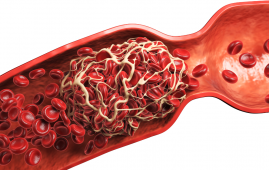 Coffee Consumption Linked to Lower Recurrent VTE Risk
Key points at a glance Study.
 Tirzepatide Weight Loss: Fat Mass and Muscle Findings
Key points Tirzepatide was associated with.
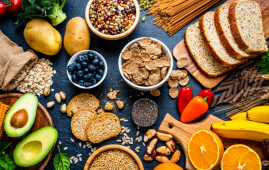 Dietary Polyphenol Intake Associated With Lower MCI Odds
Key Points Older adults without mild.
 Smoking and Loneliness Linked in Large European Study
Key points: A Europe-wide study of.
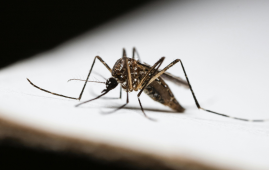 Malaria Vaccination Turns Mosquito Bites Into Immune Boosters
Key takeaways: WEHI researchers developed a.
 Lead Exposure in Indoors and Contamination in Soil
Key Points Lead contamination in soil.
 Drinking Water With Meals Linked to Higher Food Intake
Key Points Summary A new Appetite.
 Cyclosporiasis Risk: Who Faces the Highest Threat?
Key Summary Cyclosporiasis cases are increasing.
 EP2 Receptor Research Opens New Path for Healthy Aging
Key Points Researchers identified the EP2.
 Lifestyle Behaviors and Mood Linked in Daily Life Study
Key Points A 70-day diary study.
Leave a Comment