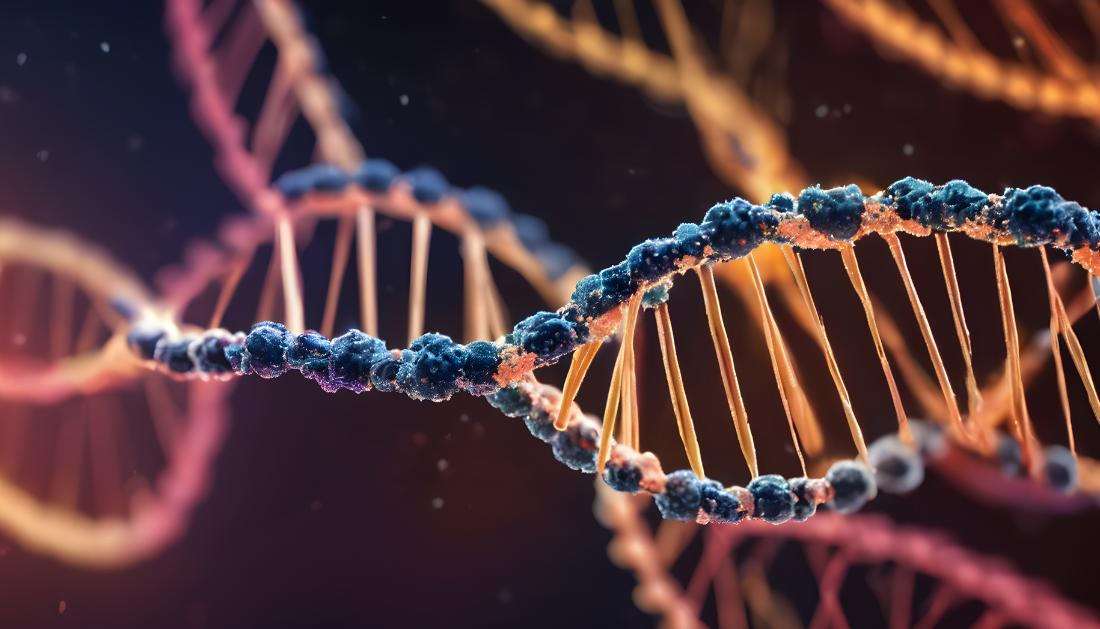
Inherited Genetics May Shape Cancer Susceptibility

Cancer development has long been linked to environmental exposures and acquired genetic mutations, but researchers have now provided the strongest experimental evidence that inherited genetics and cancer susceptibility are closely connected. Published in Nature, the study demonstrates that an individual’s genetic background significantly influences how tumors originate, accumulate mutations, and progress after DNA damage.
Scientists from the University of Cambridge, the University of Edinburgh, and international collaborators designed a controlled mouse model to eliminate environmental variability. They bred four genetically distinct mouse strains with different levels of liver cancer susceptibility before exposing all animals to an identical dose of the carcinogen diethylnitrosamine (DEN), a compound associated with DNA damage and found in tobacco smoke and certain processed foods.
Because every mouse experienced the same exposure at the same age, researchers could directly examine the role of inherited genetics without the confounding lifestyle and environmental differences commonly seen in human population studies.
This approach offers compelling evidence that inherited genetic variation contributes to why some individuals develop cancer while others exposed to similar risk factors remain unaffected.
Genomic sequencing of nearly 600 liver tumors revealed that cancers consistently acquired mutations activating the MAPK signaling pathway, a critical regulator of cell growth, differentiation, and survival that is implicated in numerous malignancies.
However, the inherited genetic background determined which cancer-driving mutations developed and influenced several downstream biological processes associated with tumor progression.
Researchers also observed striking differences in whole-genome duplication, a genomic event in which the complete chromosome set doubles. This phenomenon is associated with genomic instability and aggressive tumor behavior.
The findings indicate that tumors may reach similar biological endpoints through different genetic routes, depending on an individual’s inherited DNA.
According to the investigators, these results represent the first direct demonstration that inherited genetics shape both mutation processes and the evolutionary pathways leading to cancer development.
The study carries important implications for precision oncology, cancer prevention, and personalized treatment planning.
If inherited genetic variation influences both cancer risk and tumor evolution, future cancer screening strategies may benefit from incorporating population-specific genetic information alongside traditional environmental risk assessment.
The researchers also suggest that patients could respond differently to DNA-damaging therapies, including chemotherapy, depending on their inherited genetic background. Such insights could improve treatment selection, biomarker development, and personalized therapeutic approaches.
Although the findings were generated in mouse models and require validation in human studies, they provide valuable biological evidence supporting a more individualized understanding of cancer susceptibility.
For oncologists, geneticists, and oncology researchers, the study strengthens the growing recognition that inherited genetics should become an increasingly important component of cancer risk prediction and precision medicine research.

 Oral Hormone Replacement Therapy Raises Blood Clot Risk
Key Points Oral hormone replacement therapy.
 GLP-1 Health Information: Quality, Completeness, & Engagement
Key Points A study assessed 128.
 DNA Damage Response May Drive Biological Aging
Key Points Chronic DNA damage response.
 Maternal Diet Fails to Reduce Infant Egg and Peanut Allergy
Key Points A large Australian randomized.
 Psychedelic-Assisted Psychotherapy: Music in Treatment
Key Takeaways Psychedelic-assisted psychotherapy combines psychedelic.
 Cardiovascular Frailty Links Heart Health and Aging
Key Points Cardiovascular frailty may connect.
 Laser Blended Vision: Simple Test Predicts Success
Key Points A simple phoropter-based test.
 Pink Noise Boosts Brain Waste Clearance During Sleep
Key Points Pink noise delivered during.
 Psilocybin Microdosing Research Raises Key Questions
Key points: Psilocybin microdosing research shows.
 Maternal Illness Linked to Epigenetic Fetal Brain Changes
Maternal illness during pregnancy may influence.
Leave a Comment