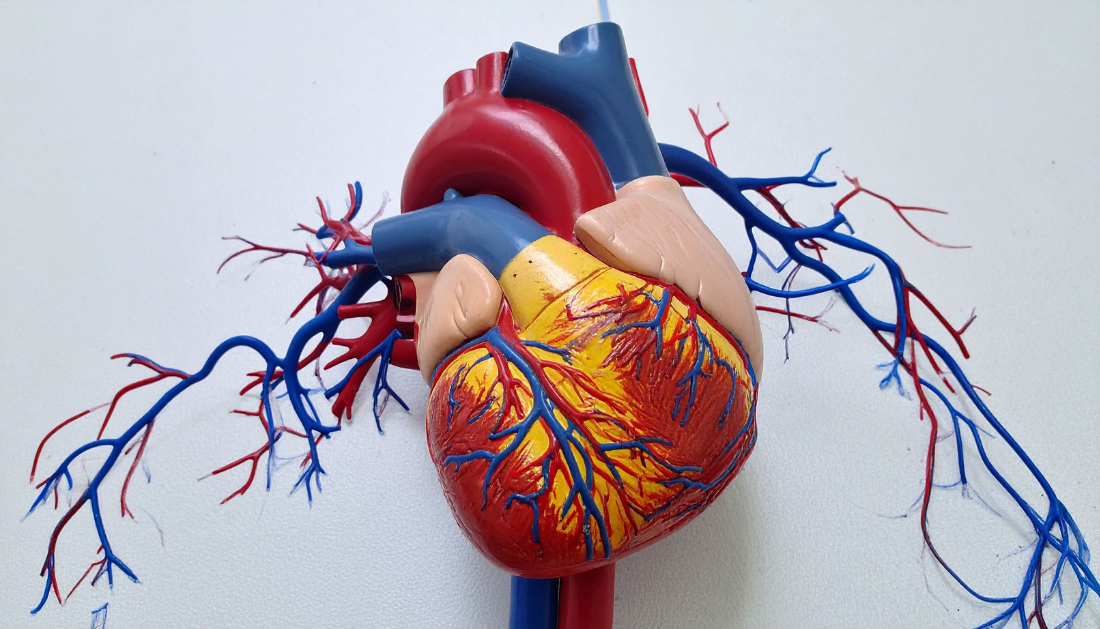
AI ECG Model Outperforms Standard STEMI Triage

A groundbreaking study published in JACC: Cardiovascular Interventions and presented at TCT 2025 in San Francisco has found that an AI-based ECG model dramatically improves the detection of acute coronary occlusions (STEMI) compared to standard triage methods. The system not only recognized unconventional ECG patterns and atypical symptoms but also reduced false positives fivefold, offering a major step forward in emergency cardiac care.
ST-segment elevation myocardial infarction (STEMI) is a critical cardiac event caused by blockage in a major coronary artery. While timely reperfusion through percutaneous coronary intervention (PCI) remains the gold standard, delays in achieving the 90-minute window still lead to increased mortality, particularly in rural or non-PCI centers.
In a large-scale retrospective study involving 1,032 patients from three primary PCI centers, researchers evaluated the “Queen of Hearts” AI ECG model, trained to identify acute coronary occlusion and differentiate between true STEMI and benign mimics. The results were striking: the AI model correctly detected 553 out of 601 confirmed STEMIs, compared to 427 identified by standard triage, while reducing false positives from 41.8% to just 7.9%.
Lead investigator Dr. Robert Herman from AZORG Hospital, Belgium, highlighted that AI-driven ECG interpretation allows clinicians to “identify true heart attacks early while reducing unnecessary activations.” This improvement not only streamlines emergency workflows but also reduces fatigue among clinical teams and ensures faster access to life-saving care.
Senior author Dr. Timothy D. Henry from The Christ Hospital, Cincinnati, emphasized that integrating this AI tool could shorten time-to-treatment and optimize STEMI transfers from non-PCI centers.
In an accompanying editorial, Dr. Mohamad Alkhouli of the Mayo Clinic praised the model’s potential but urged cautious integration, noting that its clinical readiness, regulatory adaptation, and interpretability will determine its real-world success.
As healthcare systems seek solutions to reduce diagnostic errors and accelerate cardiac response times, the Queen of Hearts AI ECG model may soon become a vital decision-support tool in emergency cardiology.

 Tirzepatide Weight Loss: Fat Mass and Muscle Findings
Key points Tirzepatide was associated with.
 Coffee and Gut Microbiome: Brewing and Metabolic Effects
Key Points Coffee contains caffeine, chlorogenic.
 Low-Dose Radiation Therapy Shows Promise in Early Knee OA
Key Points Low-dose radiation therapy was.
 Oral Hormone Replacement Therapy Raises Blood Clot Risk
Key Points Oral hormone replacement therapy.
 GLP-1 Health Information: Quality, Completeness, & Engagement
Key Points A study assessed 128.
 DNA Damage Response May Drive Biological Aging
Key Points Chronic DNA damage response.
 Maternal Diet Fails to Reduce Infant Egg and Peanut Allergy
Key Points A large Australian randomized.
 Psychedelic-Assisted Psychotherapy: Music in Treatment
Key Takeaways Psychedelic-assisted psychotherapy combines psychedelic.
 Cardiovascular Frailty Links Heart Health and Aging
Key Points Cardiovascular frailty may connect.
 Laser Blended Vision: Simple Test Predicts Success
Key Points A simple phoropter-based test.
Leave a Comment