
Brain-Like AI Explains Relational Learning

Researchers at ML Collective in San Francisco and Columbia University have made a significant discovery about how the brain processes relational learning, a fundamental cognitive ability. Their study, published in Nature Neuroscience, explores how artificial neural networks can mimic the brain’s approach to learning relationships between objects or concepts—shedding new light on the biological mechanisms behind intelligence.
Relational learning enables humans and certain animals to understand connections between different elements, even without direct instruction. For example, if we know that “A is greater than B” and “B is greater than C,” we can logically conclude that “A is greater than C.” This cognitive ability is vital for decision-making, reasoning, and adapting to new situations. However, the neurological basis of this function has remained unclear—until now.
Lead researchers Thomas Miconi and Kenneth Kay investigated this phenomenon using a novel artificial neural network inspired by brain circuits. Unlike traditional neural networks, their model incorporated self-directed synaptic plasticity, allowing it to modify its own connections in response to experiences, much like biological neurons. This enabled the AI system to autonomously learn relational patterns, mirroring how humans and primates process new information.
The study found that the AI model could replicate a key feature of human cognition: knowledge reassembly. This means that after learning certain relationships, the system could quickly adjust its understanding when introduced to new information. Notably, this ability appears to be unique to primates, as other species like rodents and pigeons do not show the same rapid adaptability.
These findings have major implications for neuroscience and artificial intelligence. Understanding how the brain organizes knowledge could lead to improved AI systems that learn and adapt more efficiently. Additionally, this research offers valuable insights into how cognitive functions might be affected by neurological disorders, potentially guiding future treatments.
As AI continues to model brain functions, the line between biological and artificial intelligence grows increasingly blurred. With further research, these discoveries could revolutionize how humans and machines approach learning, memory, and problem-solving.
More Information: Thomas Miconi et al, Neural mechanisms of relational learning and fast knowledge reassembly in plastic neural networks, Nature Neuroscience (2025). DOI: 10.1038/s41593-024-01852-8.

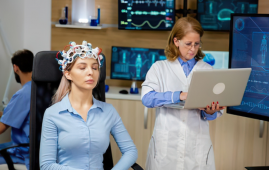 EEG Monitoring for Cybersickness: New Study Findings
Key takeaways Researchers at the University.
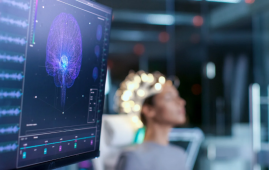 Brain-Computer Interface Uses EEG in Unresponsive Patients
Key findings at a glance Mind-controlled.
 Gamma Oscillations Restored in Alzheimer’s Disease Mice
Key takeaways Researchers restored parvalbumin (PV).
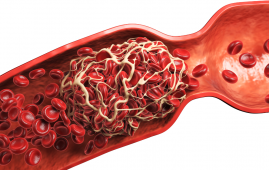 Coffee Consumption Linked to Lower Recurrent VTE Risk
Key points at a glance Study.
 Body Roundness Index Linked to Higher Heart Attack Risk
Key findings at a glance Study.
 Maternal Diet Fails to Reduce Infant Egg and Peanut Allergy
Key Points A large Australian randomized.
 Visual Impairment Linked to Higher Dementia Risk
Key findings at a glance A.
 Long-Acting HIV Treatment May Help Drug-Resistant Cases
Key Takeaways A UCSF study found.
 Epilepsy Drugs May Interact With Hormonal Contraceptives
Key points: Nearly one-third of people.
 Night Shift Work Alters Key Circadian Gene Expression
A recent study published in Frontiers.
Leave a Comment