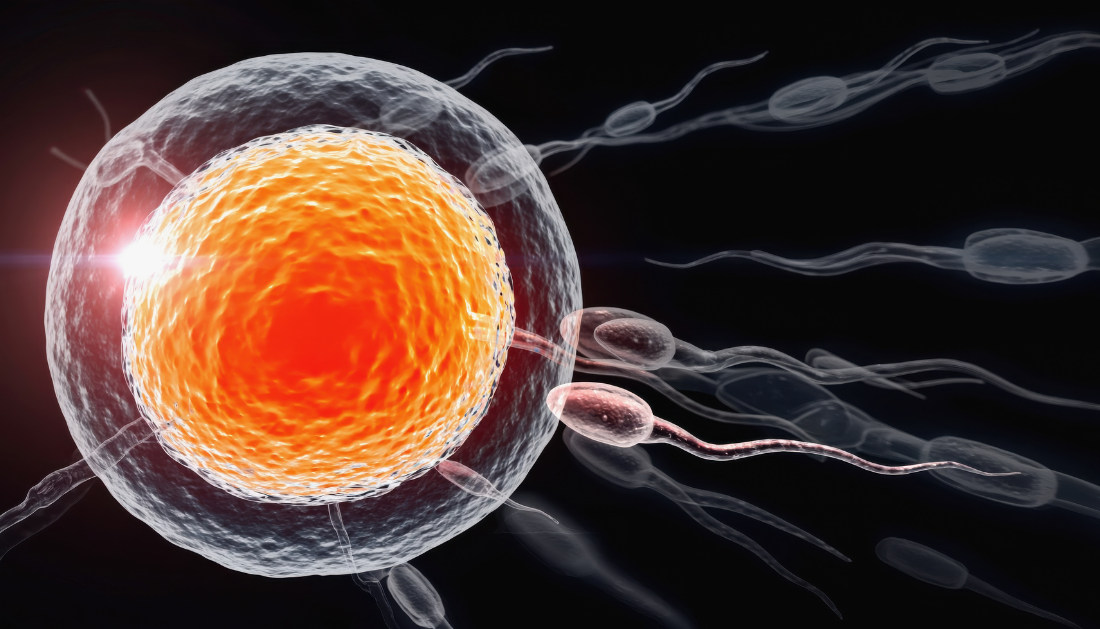
Excess Antioxidants and Offspring Development Risks

Antioxidants are widely promoted for their role in combating oxidative stress and are commonly prescribed or self-administered for male infertility, aging, and general wellness. However, emerging evidence suggests that excessive antioxidant intake may carry unintended reproductive consequences.
A recent preclinical study indicates that high doses of certain antioxidants can influence sperm DNA and affect offspring development, even when paternal health appears unchanged.
In a study published in Frontiers in Cell and Developmental Biology, researchers from Texas A&M University examined the effects of two commonly used antioxidants, N-acetyl-L-cysteine (NAC) and selenium (Se), on male mice. After six weeks of antioxidant exposure, male mice showed no overt health issues. However, their offspring demonstrated measurable alterations in skull and facial morphology.
Notably, female offspring exhibited closer-set eyes and reduced skull size, features often associated with disrupted midline development. These findings suggest that antioxidant exposure may induce epigenetic changes in sperm DNA, with downstream effects on embryonic development. The study adds to a growing body of research indicating that paternal nutritional and environmental factors can shape offspring outcomes.
For clinicians, particularly those in reproductive medicine, urology, primary care, and nutrition counseling, these findings highlight a critical consideration: oxidative balance matters. While antioxidants can mitigate oxidative stress, excessive supplementation may interfere with physiological signaling pathways essential for sperm function.
The study also reinforces the long-recognized link between craniofacial development and neurodevelopment. Alterations in facial midline structures may signal concurrent differences in brain development, potentially influencing long-term neurological outcomes.
Although further research is needed to confirm central nervous system effects, the data underscore the importance of dosage awareness.
Healthcare professionals should encourage evidence-based supplementation and caution against routine high-dose antioxidant use without a clear clinical indication, especially in men planning conception. Adhering to recommended daily allowances rather than megadoses may help preserve reproductive fitness and reduce potential risks to future offspring.

 Prenatal Smoking Raises Risk of Child Mental Disorders
Key Summary Prenatal smoking is associated.
 Stroke Risk Linked to Low Birthweight, Not Adult BMI
Key Points Low birthweight is associated.
 Type 2 Diabetes Risk Rising in Genetically Susceptible
Quick Summary Rising type 2 diabetes.
 Female Microbiome Shaped by Diet, Stress, Unhealthy Lifestyle
Quick Summary Lifestyle factors significantly influence.
 Hypertensive Disorders of Pregnancy: Role of Daily Activity
Key Points Summary Limiting sedentary time.
 Climate Change Drives Dengue Outbreaks Globally
Key Takeaways Extreme weather significantly increases.
 PFK Enzyme Dual Role in Metabolism and Cell Cycle
Key Highlights Phosphofructokinase (PFK Enzyme) shows.
 Food Tolerance Mechanism: How T Cells Prevent Allergies
Key Summary Researchers at Stanford University.
 Endometriosis Screening Tool May Cut Diagnosis Delays
Key Points Researchers from the University.
 Diabetic Kidney Disease: Combo Therapy Targets Zombie Cells
Key Points Researchers from Mayo Clinic.
Leave a Comment