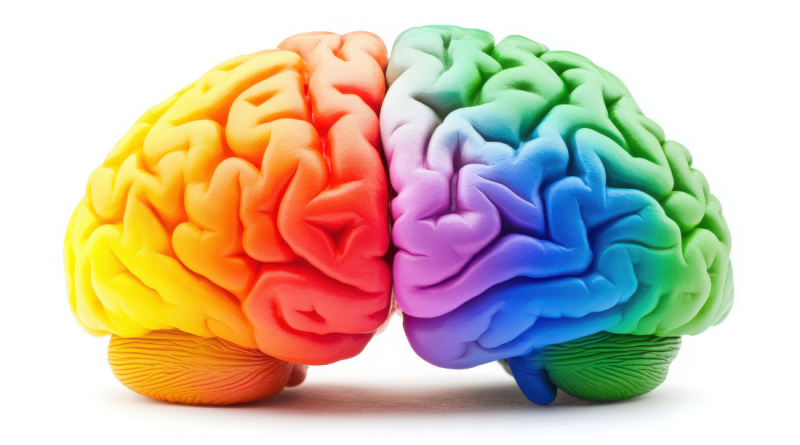
Spatial Computing Explains How Brain Organizes Cognition
Key Takeaways (Quick Summary) MIT researchers provide experimental evidence supporting Spatial Computing, a theory explaining flexible cognitive control Alpha and
Read More
New findings in medicine
Key Takeaways (Quick Summary) MIT researchers provide experimental evidence supporting Spatial Computing, a theory explaining flexible cognitive control Alpha and
Read More
Key Takeaways (Quick Summary for Clinicians) Blood-based metabolomic signatures predict Gestational Diabetes and preeclampsia more accurately than BMI. A 46-metabolite
Read More
Key Takeaways (Quick Summary) Researchers uncovered how bacteriophages use a small RNA molecule (PreS) to control bacterial gene expression. PreS
Read More
Key Takeaways (Quick Summary) Pelvic floor disorders are common, treatable, and underreported, affecting nearly 1 in 3 women. Persistent misconceptions
Read More
Key Takeaways (Quick Summary) Researchers developed a urine-based microRNA aging clock using extracellular vesicle miRNAs The test predicts chronological age
Read More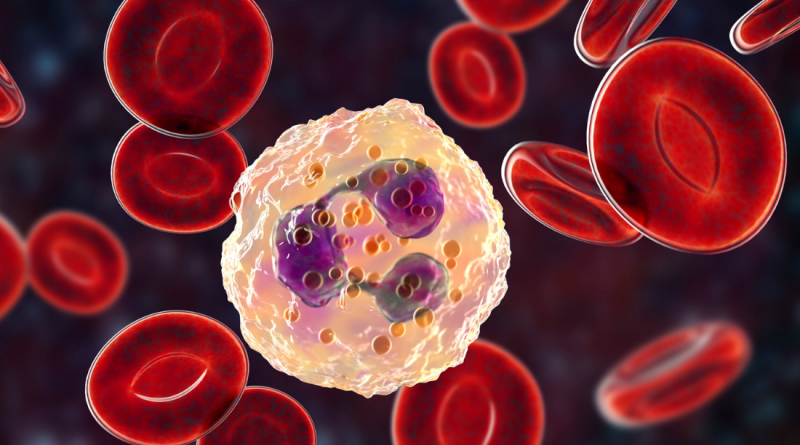
Key Takeaways for HCPs Neutrophil activity follows a circadian rhythm that influences myocardial injury severity. A CXCR4–CXCL12 checkpoint shifts neutrophils
Read More
Key Takeaways for Clinicians and Nurses A new large-scale meta-analysis published in BMC Public Health reports that e-cigarette use is
Read More
A New Preventive Strategy for Term Pre-eclampsia A major UK randomised trial has introduced promising evidence that 36-week pre-eclampsia screening,
Read More
Rising Sudden Cardiac Death (SCD) Risk in Type 1 and Type 2 Diabetes A new Danish nationwide cohort study sheds
Read More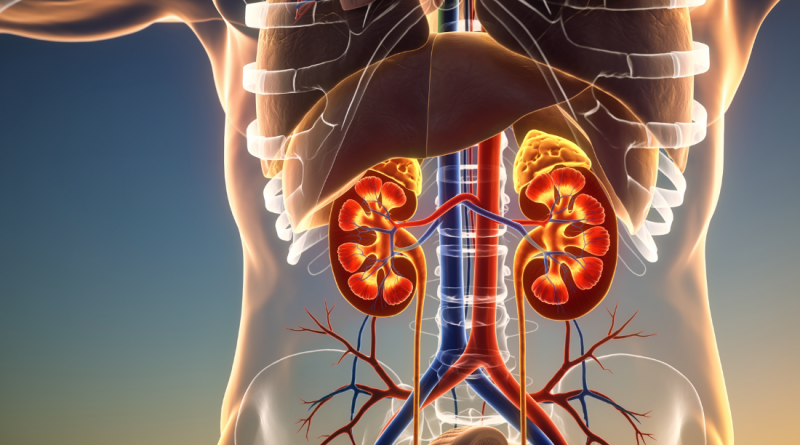
Poor kidney function may influence levels of Alzheimer’s biomarkers, but not necessarily dementia risk, according to new findings published in
Read More