
PTSD, Anxiety Linked to Lower Ovarian Reserve in Firefighters

A recent study by the University of Arizona’s Mel and Enid Zuckerman College of Public Health, in collaboration with fire service partners, has uncovered a concerning connection between post-traumatic stress disorder (PTSD), anxiety, and lower ovarian reserve in women firefighters. The study, part of the Fire Fighter Cancer Cohort Study, found that PTSD and anxiety are linked to significant reductions in anti-Müllerian hormone (AMH) levels, a key marker of ovarian reserve and fertility.
Women firefighters, who often face traumatic and high-stress situations along with chemical exposures, are at a higher risk of developing PTSD compared to the general population. Previous research indicated that women firefighters tend to have lower AMH levels than non-firefighter women, but the underlying causes were unclear. This new study has revealed that PTSD and anxiety are significantly associated with AMH reductions—by 66% and 33%, respectively.
The study, published in The Journal of Women’s Health, highlights the negative impact of mental health conditions on reproductive health. Michelle Valenti, MPH, the study’s first author and a doctoral student in epidemiology at the University of Arizona, emphasizes the importance of understanding how stress and trauma may contribute to fertility challenges in women firefighters. These findings could pave the way for interventions aimed at improving the reproductive health of female firefighters.
The research was conducted in collaboration with fire departments across the country and the Zuckerman College of Public Health’s Center for Firefighter Health Collaborative Research. It emphasizes the need for targeted programs to reduce stress and support mental health in the firefighting community, especially for women.
Capt. Caitlin St. Clair of the Puget Sound Regional Fire Authority noted that these findings provide valuable evidence for fire departments to implement programs that address stress and improve the quality of life for women firefighters. Further studies are needed to explore potential interventions and better understand the link between mental health and reproductive health.
The Fire Fighter Cancer Cohort Study’s Women Firefighter Study is dedicated to identifying stress-related and reproductive health challenges specific to women in the firefighting profession and aims to inform effective interventions.
Join the HerHealth Oncology Congress 2025 to get latest insights on women’s health.
More Information: Valenti, M. A., et al. (2024). Evaluating the Effect of Depression, Anxiety, and Post-Traumatic Stress Disorder on Anti-Müllerian Hormone Levels Among Women Firefighters. Journal of Women S Health. doi.org/10.1089/jwh.2024.0534.

 Brain-Computer Interface Uses EEG in Unresponsive Patients
Key findings at a glance Mind-controlled.
 Gamma Oscillations Restored in Alzheimer’s Disease Mice
Key takeaways Researchers restored parvalbumin (PV).
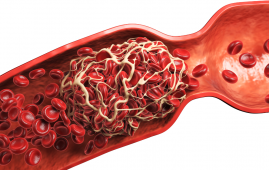 Coffee Consumption Linked to Lower Recurrent VTE Risk
Key points at a glance Study.
 Body Roundness Index Linked to Higher Heart Attack Risk
Key findings at a glance Study.
 Maternal Diet Fails to Reduce Infant Egg and Peanut Allergy
Key Points A large Australian randomized.
 Visual Impairment Linked to Higher Dementia Risk
Key findings at a glance A.
 Long-Acting HIV Treatment May Help Drug-Resistant Cases
Key Takeaways A UCSF study found.
 Night Shift Work Alters Key Circadian Gene Expression
A recent study published in Frontiers.
 Tirzepatide Weight Loss: Fat Mass and Muscle Findings
Key points Tirzepatide was associated with.
 Coffee and Gut Microbiome: Brewing and Metabolic Effects
Key Points Coffee contains caffeine, chlorogenic.
Leave a Comment