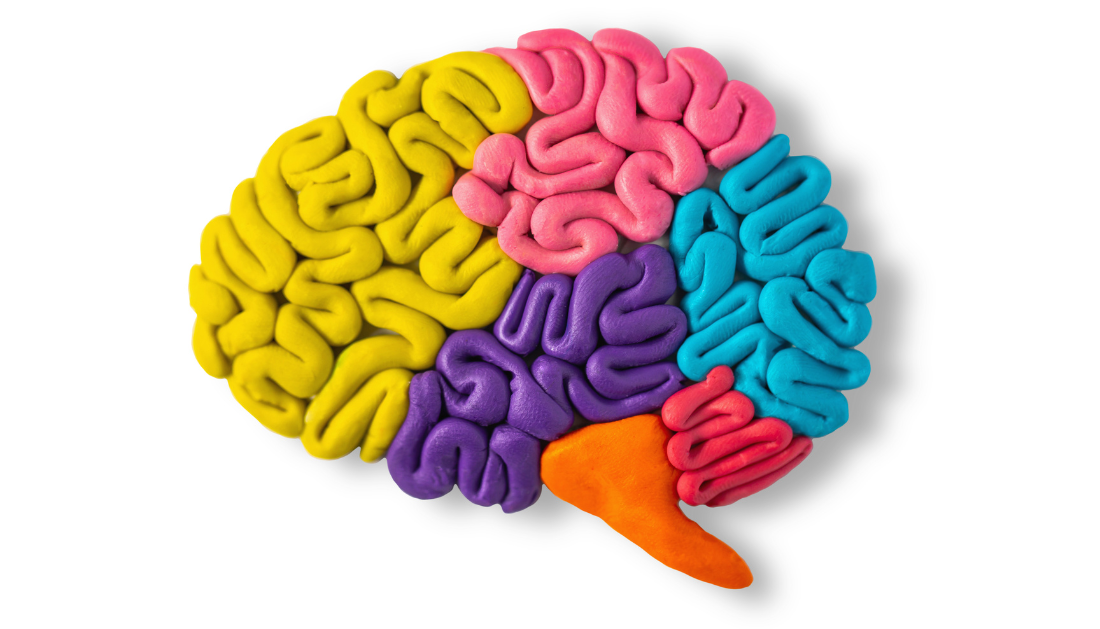
Chronic Compression Drives Neuron Death in Brain Tissue

Neurons form the backbone of cognition, sensation, and movement through complex electrical signaling networks supported by glial cells. When neurons die, these networks fail—and because neuronal loss is irreversible, patients face lasting neurological deficits.
A multidisciplinary research team at the University of Notre Dame investigated how long-term mechanical compression of brain tissue leads to neuron death, independent of tumor toxicity. Using induced pluripotent stem cell–derived neuronal and glial models, the researchers recreated chronic compressive stress similar to that exerted by glioblastoma growth.
Their findings, published in Proceedings of the National Academy of Sciences, show that compression alone is sufficient to disrupt neuronal survival. Importantly, many neurons that remained alive after compression showed activation of programmed cell death signaling, indicating delayed but ongoing neurodegeneration.
Through transcriptomic analysis of surviving cells, the researchers identified increased expression of HIF-1 signaling, a stress-response pathway that promotes inflammatory gene activity. Compression also activated AP-1–mediated neuroinflammatory responses, both of which are established markers of neuronal injury.
To validate clinical relevance, the team analyzed patient data from the Ivy Glioblastoma Atlas Project, confirming similar gene expression patterns, synaptic dysfunction, and stress responses in human tumors. These molecular changes help explain cognitive impairment, motor dysfunction, and increased seizure risk commonly observed in glioblastoma patients.
This study shifts focus beyond tumor biology to the mechanical forces exerted on brain tissue, highlighting compression as a significant contributor to neuronal loss. Because the approach is disease-agnostic, the findings may also apply to traumatic brain injury, hydrocephalus, and other conditions involving chronic intracranial pressure.
Explore more expert-led neurology CME opportunities on our comprehensive Neurology CME Conferences page to stay updated on advances that impact patient care.
For clinicians and researchers, the identified signaling pathways offer potential drug targets aimed at preserving neuronal function and reducing secondary neurological damage.

 Visual Impairment Linked to Higher Dementia Risk
Key findings at a glance A.
 Long-Acting HIV Treatment May Help Drug-Resistant Cases
Key Takeaways A UCSF study found.
 Epilepsy Drugs May Interact With Hormonal Contraceptives
Key points: Nearly one-third of people.
 Night Shift Work Alters Key Circadian Gene Expression
A recent study published in Frontiers.
 Coffee and Gut Microbiome: Brewing and Metabolic Effects
Key Points Coffee contains caffeine, chlorogenic.
 Low-Dose Radiation Therapy Shows Promise in Early Knee OA
Key Points Low-dose radiation therapy was.
 GLP-1 Health Information: Quality, Completeness, & Engagement
Key Points A study assessed 128.
 DNA Damage Response May Drive Biological Aging
Key Points Chronic DNA damage response.
 Dietary Polyphenol Intake Associated With Lower MCI Odds
Key Points Older adults without mild.
 Psychedelic-Assisted Psychotherapy: Music in Treatment
Key Takeaways Psychedelic-assisted psychotherapy combines psychedelic.
Leave a Comment