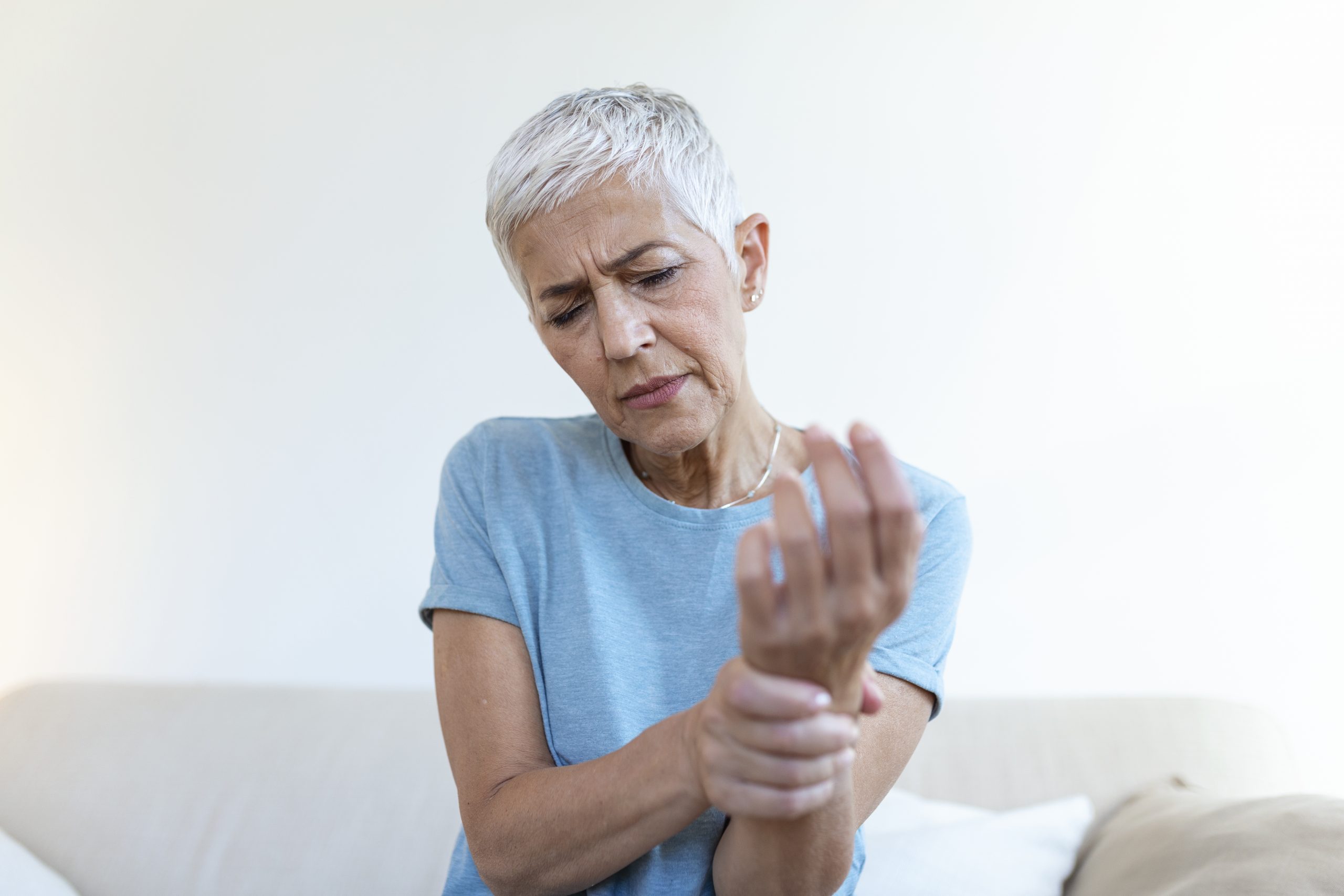
Image by stefamerpik on Freepik

A UC Davis Health study that looked at acute bone loss in mice with COVID-19 found that SARSCoV2 infection can induce severe alterations in bone structure. The study is the first to demonstrate that persons with COVID19 may have longterm orthopaedic difficulties such as decreased bone mass, increased fracture risk, and other musculoskeletal complications.
“Our study provides direct evidence that SARS‐CoV‐2 infection leads to acute bone loss, an increased number of osteoclast bone cells, and thinner growth plates,” said senior author of the study, Dominik Haudenschild, professor emeritus in the Department of Orthopaedic Surgery at UC Davis Health.
Mice with COVID-19 demonstrated considerable bone loss in the study. This loss reduced bone mechanical strength and increased fracture risk. If equivalent bone loss occurs in human patients after COVID19 recovery, it may result in a longterm — even permanent — higher risk of fractures due to brittle bones. This is especially true for the elderly.
Fragility fractures are breaks caused by minimal trauma, such as falling from standing height or less. According to the study, one of the underreported long-term symptoms of COVID-19 is a greater risk of fragility fractures.
“This study has profound clinical implications,” said R. Lor Randall, professor and chair of the Department of Orthopaedic Surgery. “Musculoskeletal ramifications of COVID may not be the first medical issue that comes to mind when one thinks about the pandemic. Nevertheless, many people suffer from fragile bones and COVID can put them at an even greater risk for fracture.”
Method
The study examined the bone structure of SAR-CoV-2 infected (12 male and 12 female) and non-infected (four male and four female) mice. It also measured the viral burden of the coronavirus in the infected mice using throat swabs from days 1, 2 and 3 post infection and in their brain and lungs.
The researchers also assessed whether a protein linked to SARS‐CoV‐2 infection was detected in the joint tissues. Its presence would indicate that the SARS‐CoV‐2 reached these tissues and infected the various cell types. They found that bone and joint tissues are susceptible to viral infection. The protein was identified in cells in the joint’s connective tissue (synovium), bone marrow, and the distal femoral growth plate. It was also found in the lung.
SARSCoV2 infection was also linked to significant changes in the trabecular bone microstructure in infected male and female mice, according to the study.
“The data from the study are the first confirmation of the harmful effect of SARS‐CoV‐2 infection on the bones, from resorption (tissue breakdown) to growth plate thinning,” Haudenschild said. “This means that bone loss and growth disturbances may be serious complications of COVID‐19.”
How does COVID-19 cause bone pain?
COVID-19 may alter the bones in a variety of ways, according to the researchers. The SARS-CoV-2 virus, for example, causes the immune system to create pro-inflammatory proteins known as cytokines. These cytokines can cause hyperinflammation, which can contribute to bone and joint problems.
Longterm bed rest and diminished physical abilities may result in bone loss owing to inactivity. Furthermore, COVID patients using corticosteroids may undergo considerable bone loss during treatment.

 Brain-Computer Interface Uses EEG in Unresponsive Patients
Key findings at a glance Mind-controlled.
 Gamma Oscillations Restored in Alzheimer’s Disease Mice
Key takeaways Researchers restored parvalbumin (PV).
 Coffee Consumption Linked to Lower Recurrent VTE Risk
Key points at a glance Study.
 Body Roundness Index Linked to Higher Heart Attack Risk
Key findings at a glance Study.
 Maternal Diet Fails to Reduce Infant Egg and Peanut Allergy
Key Points A large Australian randomized.
 Visual Impairment Linked to Higher Dementia Risk
Key findings at a glance A.
 Long-Acting HIV Treatment May Help Drug-Resistant Cases
Key Takeaways A UCSF study found.
 Night Shift Work Alters Key Circadian Gene Expression
A recent study published in Frontiers.
 Tirzepatide Weight Loss: Fat Mass and Muscle Findings
Key points Tirzepatide was associated with.
 Coffee and Gut Microbiome: Brewing and Metabolic Effects
Key Points Coffee contains caffeine, chlorogenic.
Leave a Comment