Image by kjpargeter on Freepik

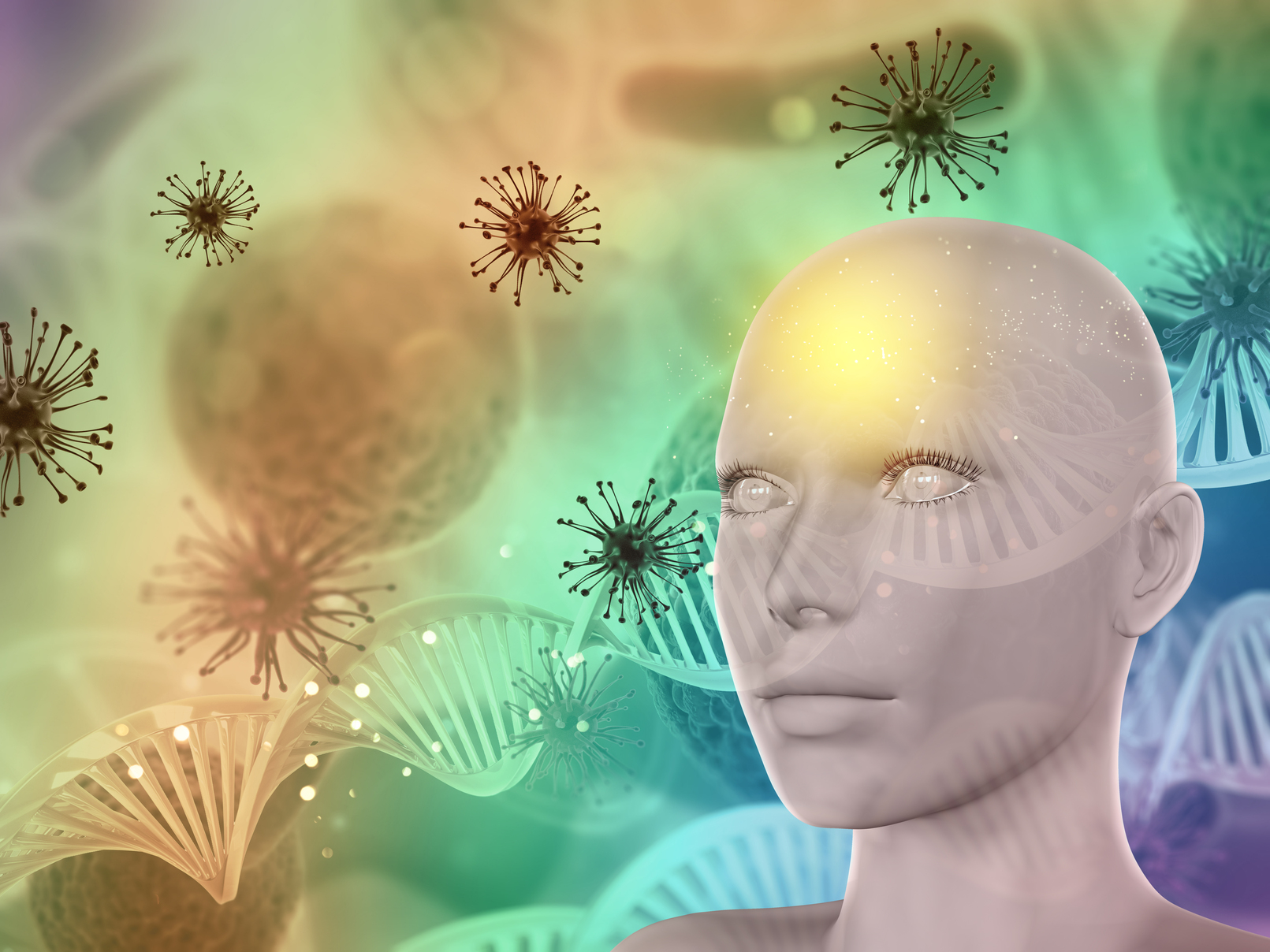
A recent study in Nature Medicine reveals two blood biomarkers that could predict cognitive deficits six and 12 months post-COVID-19 diagnosis, including COVID brain fog. These findings, drawn from data from over 1,800 hospitalized COVID-19 patients, were verified in an independent dataset. They offer biological insights into the factors possibly underlying long-term cognitive impairment from COVID-19.
Cognitive deficits following COVID-19, often described as “COVID brain fog,” can severely impact daily life. Diagnosis combines objective (clinician-assessed) and subjective (patient-reported) elements. Yet, the development of these post-COVID-19 cognitive deficits remains a mystery.
Maxime Taquet and their team conducted a comprehensive analysis using data from 1,837 COVID-19 patients hospitalized in the U.K. from January 29, 2020, to November 20, 2021. Blood samples were collected during admission. Both clinician-assessed and patient-reported cognition measurements were collected at six and 12 months post-admission.
Employing advanced statistical techniques, the researchers pinpointed two blood biomarker profiles strongly linked to post-acute COVID-19 cognitive impairments. The first profile revealed elevated fibrinogen levels, a blood coagulation-related protein, showing significant correlations with both objective and subjective cognitive deficits. Meanwhile, the second profile associated heightened d-dimer levels, another blood coagulation protein, with subjective cognitive deficits, including COVID brain fog, and also with symptoms like fatigue and shortness of breath.
These results were substantially duplicated in an independent investigation involving the medical records of 17,911 U.S. patients. This included a comparison between post-pandemic and pre-pandemic groups, highlighting the distinctiveness of d-dimer concerning COVID-19, as proposed by the authors.
The authors posit that their discoveries may pave the way for the creation of predictive models for post-COVID-19 cognitive impairments, aiding in prognosis and treatment planning. Nevertheless, they underscore the necessity for additional research involving diverse cohorts to validate these findings.

 Gamma Oscillations Restored in Alzheimer’s Disease Mice
Key takeaways Researchers restored parvalbumin (PV).
 Coffee Consumption Linked to Lower Recurrent VTE Risk
Key points at a glance Study.
 Body Roundness Index Linked to Higher Heart Attack Risk
Key findings at a glance Study.
 Maternal Diet Fails to Reduce Infant Egg and Peanut Allergy
Key Points A large Australian randomized.
 Visual Impairment Linked to Higher Dementia Risk
Key findings at a glance A.
 Long-Acting HIV Treatment May Help Drug-Resistant Cases
Key Takeaways A UCSF study found.
 Night Shift Work Alters Key Circadian Gene Expression
A recent study published in Frontiers.
 Tirzepatide Weight Loss: Fat Mass and Muscle Findings
Key points Tirzepatide was associated with.
 Coffee and Gut Microbiome: Brewing and Metabolic Effects
Key Points Coffee contains caffeine, chlorogenic.
 Low-Dose Radiation Therapy Shows Promise in Early Knee OA
Key Points Low-dose radiation therapy was.
Leave a Comment