
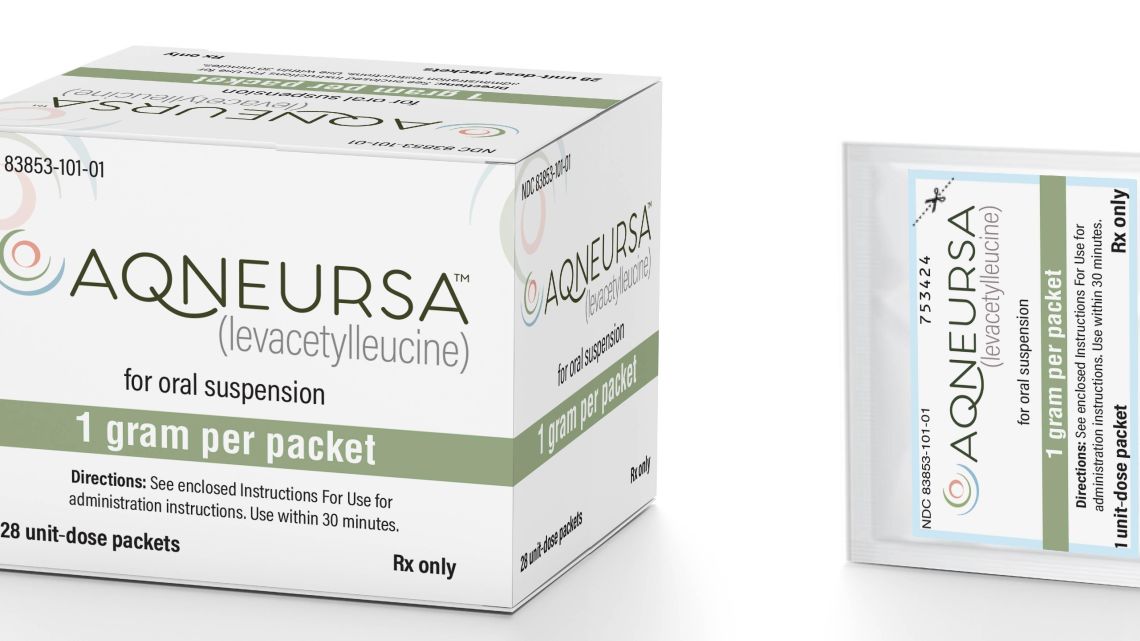
IntraBio, co-founded by Department of Pharmacology academics Professors Fran Platt, Antony Galione and Grant Churchill, ran a successful international clinical trial for a new drug Aqneursa which showed significantly improved neurological outcomes over a 12 week period for a cohort of 60 patients, aged four years and over, with a confirmed diagnosis of NPC compared to a control group. Despite the recent proliferation of Drug Discovery Units in many Universities, it is nevertheless still rare for academics to take a new molecular entity from pre-clinical to phase III clinical trials culminating in regulatory approval and marketing for patients. The first prescriptions for Aqneursa have already been written.
NPC is a rare genetic disease that results in progressive neurological symptoms and organ dysfunction. It is caused by changes in either the NPC1 or NPC2 gene, affecting the transport of cholesterol and other lipids out of the lysosome. As a result, cells do not function as they should, ultimately causing organ damage. On average, individuals affected by this devastating disease only live for about 13 years. The new drug, Aqneursa, is only the third drug approved for the treatment of NPC, including miglustat, which was the first drug to be approved for lysosomal storage diseases that was developed by the Platt laboratory.
Read the full story on the Department of Pharmacology website.

more recommended stories
 Gamma Oscillations Restored in Alzheimer’s Disease Mice
Key takeaways Researchers restored parvalbumin (PV).
 Coffee Consumption Linked to Lower Recurrent VTE Risk
Key points at a glance Study.
 Body Roundness Index Linked to Higher Heart Attack Risk
Key findings at a glance Study.
 Maternal Diet Fails to Reduce Infant Egg and Peanut Allergy
Key Points A large Australian randomized.
 Visual Impairment Linked to Higher Dementia Risk
Key findings at a glance A.
 Long-Acting HIV Treatment May Help Drug-Resistant Cases
Key Takeaways A UCSF study found.
 Night Shift Work Alters Key Circadian Gene Expression
A recent study published in Frontiers.
 Tirzepatide Weight Loss: Fat Mass and Muscle Findings
Key points Tirzepatide was associated with.
 Coffee and Gut Microbiome: Brewing and Metabolic Effects
Key Points Coffee contains caffeine, chlorogenic.
 Low-Dose Radiation Therapy Shows Promise in Early Knee OA
Key Points Low-dose radiation therapy was.
Leave a Comment