
New Research Maps Gene Regulation in Early Human Brain Development

An atlas of the brain’s early development is presented by Karolinska Institutet researchers in a paper that was published in Nature. Among other aspects, the atlas can be utilized to discover new treatment options and the cause of childhood brain tumor development.
An atlas of embryonic development between weeks six and thirteen may now be presented by an international research team headed by Karolinska Institutet, which has documented the early genetic development of the brain.
“This is the first comprehensive study of brain development with a focus on gene regulation. Previous studies have almost always focused on the cortex, or cerebral cortex. Our study is a systematic mapping of the entire brain so that all regions can be compared with each other,” the study’s research leader, Sten Linnarsson, a professor of molecular systems biology at Karolinska Institutet’s Department of Medical Biochemistry and Biophysics.
The brain starts in the early embryo as something resembling a tube, the sides of which grow to form the brain and the fluid-filled core of which develops into the ventricles, the brain’s cavity.
Early in pregnancy, rapid specialization
The cells that make up the tube walls rapidly specialize between weeks six and thirteen of pregnancy. This is accomplished by a highly intricate cascade process in which chemicals are released that cause the initial cells to develop in a particular way. Subsequently, these cells release more signals that govern the subsequent phase of cell development, and so forth.
In addition to acting as new signals, the signals trigger genes that result in proteins that specialize in various cell types.
“It is this process, how, in which order, and in which cell types genes are activated during this process of brain formation that we have been studying. We wanted to follow the process from DNA to RNA, to the protein at each step,” says Linnarsson.
A technique that measures produced RNA strands in individual cells, as well as active areas on DNA, has been used in the research. After that, the researchers assembled the puzzle and are now able to provide a schematic of its operation.
The study is a component of the wider Swedish initiative. “Human Developmental Cell Atlas” where the genetic development of the brain, heart, lungs, and other organs has been investigated by numerous research organizations. The project’s research is currently proceeding, and the investigators are utilizing the maps to discover the reasons behind the illness.
“We are now studying the onset of brain cancer in children. Fortunately, it is a rare disease, but of the various diseases that lead to death in children, it is one of the more common. We are studying the tumors that arise during embryonic brain development and using the atlas to try to understand the mechanisms of normal development that have gone wrong and how this drives tumor formation and tumor growth,” says Linnarsson.
For more information: Chromatin accessibility during human first-trimester neurodevelopment, Nature, https://doi.org/10.1038/s41586-024-07234-1

 Coffee and Gut Microbiome: Brewing and Metabolic Effects
Key Points Coffee contains caffeine, chlorogenic.
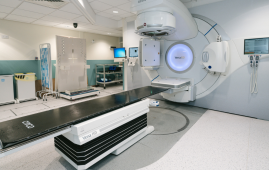 Low-Dose Radiation Therapy Shows Promise in Early Knee OA
Key Points Low-dose radiation therapy was.
 Oral Hormone Replacement Therapy Raises Blood Clot Risk
Key Points Oral hormone replacement therapy.
 GLP-1 Health Information: Quality, Completeness, & Engagement
Key Points A study assessed 128.
 DNA Damage Response May Drive Biological Aging
Key Points Chronic DNA damage response.
 Maternal Diet Fails to Reduce Infant Egg and Peanut Allergy
Key Points A large Australian randomized.
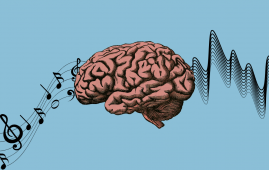 Psychedelic-Assisted Psychotherapy: Music in Treatment
Key Takeaways Psychedelic-assisted psychotherapy combines psychedelic.
 Cardiovascular Frailty Links Heart Health and Aging
Key Points Cardiovascular frailty may connect.
 Laser Blended Vision: Simple Test Predicts Success
Key Points A simple phoropter-based test.
 Pink Noise Boosts Brain Waste Clearance During Sleep
Key Points Pink noise delivered during.
Leave a Comment