
Fat-Free Mass Drives Brain Growth in Preemies

A new study published in Pediatric Research highlights that early fat-free mass (FFM), not just weight gain, plays a vital role in long-term brain development in extremely preterm infants. Researchers found that infants with higher lean mass at term-equivalent age demonstrated stronger cognitive, motor, and language outcomes up to three years of age. This finding underscores that the quality of early growth matters more than the quantity when it comes to neurodevelopment.
Extremely preterm infants, born before 28 weeks’ gestation, face significant risks of neurodevelopmental delays due to undernutrition and metabolic challenges. Traditional growth measures such as body weight or head circumference fail to capture the quality of tissue growth. Using air displacement plethysmography, researchers from Vienna assessed 105 infants and found that higher Fat-Free Mass correlated with better Bayley-III scores, independent of gestational age, illness severity, or sex.
Infants who gained more lean tissue, representing muscle, organ, and brain growth, showed superior neurological outcomes. Conversely, prolonged parenteral nutrition was linked to poorer motor and language development, indicating the need for timely enteral feeding strategies supported by mother’s or donor milk.
The study’s results strengthen the case for body composition monitoring in neonatal care. Rather than focusing solely on weight gain, neonatal teams should aim for qualitative growth by supporting FFM accretion through adequate protein and energy intake. This personalized approach could help optimize neurodevelopmental outcomes in high-risk preterm infants.
Researchers advocate for future targeted nutritional trials to determine optimal feeding interventions for enhancing lean mass and supporting early brain growth.
The findings pave the way for integrating body composition–guided nutrition into clinical protocols. For neonatologists, pediatric nutritionists, and NICU nurses, this marks an important shift toward evidence-based, outcome-driven neonatal care.

 Gamma Oscillations Restored in Alzheimer’s Disease Mice
Key takeaways Researchers restored parvalbumin (PV).
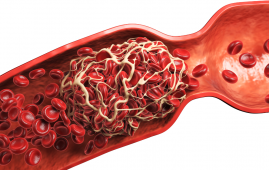 Coffee Consumption Linked to Lower Recurrent VTE Risk
Key points at a glance Study.
 Body Roundness Index Linked to Higher Heart Attack Risk
Key findings at a glance Study.
 Maternal Diet Fails to Reduce Infant Egg and Peanut Allergy
Key Points A large Australian randomized.
 Visual Impairment Linked to Higher Dementia Risk
Key findings at a glance A.
 Long-Acting HIV Treatment May Help Drug-Resistant Cases
Key Takeaways A UCSF study found.
 Night Shift Work Alters Key Circadian Gene Expression
A recent study published in Frontiers.
 Tirzepatide Weight Loss: Fat Mass and Muscle Findings
Key points Tirzepatide was associated with.
 Coffee and Gut Microbiome: Brewing and Metabolic Effects
Key Points Coffee contains caffeine, chlorogenic.
 Low-Dose Radiation Therapy Shows Promise in Early Knee OA
Key Points Low-dose radiation therapy was.
Leave a Comment