
Cross-Ancestry Genetics Reshapes Obesity Understanding

Obesity remains a global public health challenge, driving conditions such as heart disease, Type 2 diabetes, and osteoarthritis. While lifestyle factors like diet and activity are crucial, genetic factors also play a major role in an individual’s susceptibility. Until now, most obesity genetics research has focused heavily on European populations, limiting global understanding of obesity risk.
Researchers at Penn State conducted a massive cross-ancestry genetic study involving 839,110 adults across six continental ancestries — African, American, East Asian, European, Middle Eastern, and South Asian. Their rare-variant association analysis of body mass index (BMI) uncovered new insights into the shared and unique genetic factors influencing it.
The team identified 13 genes linked to risk across populations. Of these, five were novel discoveries — YLPM1, RIF1, GIGYF1, SLC5A3, and GRM7 — while others, such as MC4R and BSN, had been recognized in previous studies. Notably, YLPM1 showed consistent associations with obesity across ancestries, revealing its global clinical relevance.
The study also examined how these genes interact with comorbidities, including Type 2 diabetes, hypertension, and heart failure. Using mediation analysis, the researchers demonstrated that certain genes, such as GIGYF1 and SLTM, increased diabetes risk both directly and indirectly through elevated BMI.
For healthcare professionals, this offers an improved understanding of how genetic variants influence both obesity and its downstream complications — a vital step toward precision medicine approaches that consider ancestry diversity.
These results emphasize that obesity risk is shaped by a combination of rare and common genetic variants acting together. The presence of diverse populations in this study corrects historical biases in genomic research, improving its global applicability.
For clinicians, the findings could inform personalized care strategies by identifying genetic markers that indicate higher susceptibility to it and related diseases. Additionally, several identified genes correspond to changes in plasma proteins, such as LECT2 and NCAN, which may serve as future biomarkers or therapeutic targets.
By expanding genetic databases and ensuring inclusive research, healthcare professionals can better assess risk, guide prevention, and develop ancestry-informed treatment strategies.
This cross-ancestry study highlights the importance of global representation in medical research, ensuring that future obesity treatments and prevention strategies are equitable, effective, and clinically relevant worldwide.

 Brain-Computer Interface Uses EEG in Unresponsive Patients
Key findings at a glance Mind-controlled.
 Gamma Oscillations Restored in Alzheimer’s Disease Mice
Key takeaways Researchers restored parvalbumin (PV).
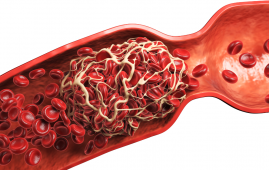 Coffee Consumption Linked to Lower Recurrent VTE Risk
Key points at a glance Study.
 Body Roundness Index Linked to Higher Heart Attack Risk
Key findings at a glance Study.
 Maternal Diet Fails to Reduce Infant Egg and Peanut Allergy
Key Points A large Australian randomized.
 Visual Impairment Linked to Higher Dementia Risk
Key findings at a glance A.
 Long-Acting HIV Treatment May Help Drug-Resistant Cases
Key Takeaways A UCSF study found.
 Night Shift Work Alters Key Circadian Gene Expression
A recent study published in Frontiers.
 Tirzepatide Weight Loss: Fat Mass and Muscle Findings
Key points Tirzepatide was associated with.
 Coffee and Gut Microbiome: Brewing and Metabolic Effects
Key Points Coffee contains caffeine, chlorogenic.
Leave a Comment