
Mind-Body Retreat Linked to Immune Modulation

An intensive mind-body retreat combining meditation, guided awareness, emotional reframing, and group healing practices may produce measurable biological changes within a short period, according to a new study from the University of California San Diego published in Communications Biology. For clinicians treating patients with chronic pain, stress-related symptoms, or emotional dysregulation, these findings offer insight into how structured, non-pharmacologic interventions may support whole-body health.
The study evaluated 20 healthy adults who attended a 7-day immersive retreat led by neuroscience educator Joe Dispenza, D.C. Participants completed approximately 33 hours of meditation and structured mind-body exercises, including open-label placebo-based healing rituals.
Pre- and post-retreat functional MRI (fMRI) scans showed reduced activation in brain regions associated with internal rumination and self-referential thought, suggesting more efficient brain network function and decreased cognitive “noise.”
Participants’ scores on the Mystical Experience Questionnaire (MEQ-30) also rose significantly, and higher scores correlated with greater neural network integration, patterns similar to those observed in psychedelic-assisted therapy, but achieved without pharmacologic agents.
While the study involved healthy individuals, findings suggest potential value in integrative medicine, chronic pain management, behavioral health, and stress resilience programs. The observed endogenous opioid activation and neuroplasticity enhancement may have implications for:
The authors note that controlled trials in clinical populations are needed before recommendations can be standardized.
Senior author Hemal H. Patel, PhD, emphasizes that these results demonstrate
“a measurable mind-body interaction affecting both neural function and systemic biology.”
Structured, multi-component meditation-based retreats may offer a non-pharmacologic, scalable, and biologically active option to support mental and physical health—particularly when integrated into broader patient-centered therapeutic plans.

 Visual Impairment Linked to Higher Dementia Risk
Key findings at a glance A.
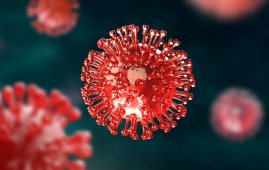 Long-Acting HIV Treatment May Help Drug-Resistant Cases
Key Takeaways A UCSF study found.
 Night Shift Work Alters Key Circadian Gene Expression
A recent study published in Frontiers.
 Tirzepatide Weight Loss: Fat Mass and Muscle Findings
Key points Tirzepatide was associated with.
 Coffee and Gut Microbiome: Brewing and Metabolic Effects
Key Points Coffee contains caffeine, chlorogenic.
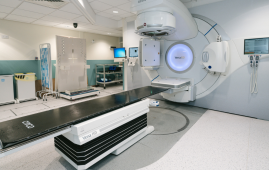 Low-Dose Radiation Therapy Shows Promise in Early Knee OA
Key Points Low-dose radiation therapy was.
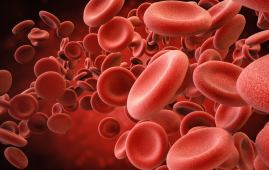 Oral Hormone Replacement Therapy Raises Blood Clot Risk
Key Points Oral hormone replacement therapy.
 GLP-1 Health Information: Quality, Completeness, & Engagement
Key Points A study assessed 128.
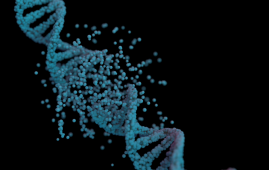 DNA Damage Response May Drive Biological Aging
Key Points Chronic DNA damage response.
 Maternal Diet Fails to Reduce Infant Egg and Peanut Allergy
Key Points A large Australian randomized.
Leave a Comment