Study: Exploring the potential of laser-textured metal alloys: Fine-tuning vascular cells responses

Dr. Hojeong Jeon and Dr. Hyung-Seop Han of the Korea Institute of Science and Technology’s (KIST) Biomaterials Research Center, along with Dr. Indong Jun of KIST Europe, have developed a novel stent surface treatment technology based on laser patterning to enhance vascular health. This method stimulates endothelial cell proliferation while suppressing smooth muscle cell dedifferentiation in blood arteries. The technology, which controls cellular responses to nanostructured patterns, shows potential for improving vascular healing, particularly when paired with chemical coating treatments.
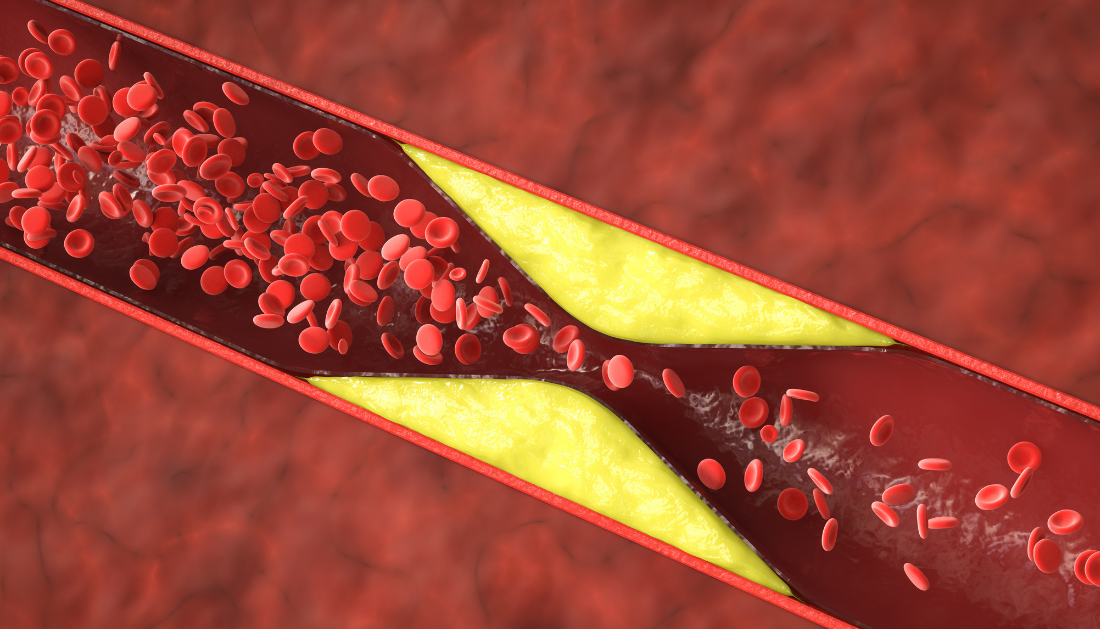
As South Korea approaches a super-aged society, the incidence of vascular diseases among the elderly population is rising, increasing the importance of therapeutic stents. These tubular medical devices maintain blood flow by expanding narrowed or blocked blood vessels. However, traditional metal stents may cause restenosis-;a re-narrowing of the artery-;due to excessive smooth muscle cell proliferation one month after implantation.
Drug-eluting stents are widely used to mitigate this issue but often inhibit vascular re-endothelialization, increasing the risk of thrombosis and necessitating the use of anticoagulants. To overcome these limitations, research into coating stent surfaces with bioactive molecules like proteins or nucleic acids is ongoing. However, these coatings often serve limited functions, falling short in accelerating endothelial cell proliferation.
To solve this issue, the researchers used nanosecond laser texturing technology to generate nano- and micro-scale wrinkle patterns on nickel-titanium alloy surfaces. Wrinkle patterns restrict smooth muscle cell migration and morphological changes caused by stent-induced vascular wall damage, hence reducing restenosis. Wrinkle patterns also improve cellular adhesion, which promotes re-endothelialization and restores the vascular lining.
The scientists used in vitro vascular cell investigations and ex vivo angiogenesis trials with fetal animal bones to evaluate the technology’s efficiency. The laser-textured metal surfaces facilitated endothelial cell proliferation while efficiently inhibiting smooth muscle cell dedifferentiation and excessive hypertrophy. Notably, smooth muscle cell development on wrinkled surfaces was inhibited by around 75%, although angiogenesis increased more than threefold.
The surface patterning approach is believed to be applicable to both metal and biodegradable stents. When applied to biodegradable stents, the patterns can prevent restenosis and increase endothelialization before the stents dissolve, hence enhancing treatment outcomes and lowering complication risks. The study team intends to conduct animal experiments and clinical studies to ensure the long-term safety and efficacy of this laser patterning method.
This study demonstrates the potential of surface patterns to selectively control vascular cell responses without drugs. Using widely industrialized nanosecond lasers allows for precise and rapid stent surface processing, offering significant advantages for commercialization and process efficiency.”
Dr. Hojeong Jeon, Biomaterials Research Center, Korea Institute of Science and Technology
For more information: Jun, I., et al. (2024). Exploring the potential of laser-textured metal alloys: Fine-tuning vascular cells responses through in vitro and ex vivo analysis. Bioactive Materials. doi.org/10.1016/j.bioactmat.2024.09.019

 Brain-Computer Interface Uses EEG in Unresponsive Patients
Key findings at a glance Mind-controlled.
 Gamma Oscillations Restored in Alzheimer’s Disease Mice
Key takeaways Researchers restored parvalbumin (PV).
 Coffee Consumption Linked to Lower Recurrent VTE Risk
Key points at a glance Study.
 Body Roundness Index Linked to Higher Heart Attack Risk
Key findings at a glance Study.
 Maternal Diet Fails to Reduce Infant Egg and Peanut Allergy
Key Points A large Australian randomized.
 Visual Impairment Linked to Higher Dementia Risk
Key findings at a glance A.
 Long-Acting HIV Treatment May Help Drug-Resistant Cases
Key Takeaways A UCSF study found.
 Night Shift Work Alters Key Circadian Gene Expression
A recent study published in Frontiers.
 Tirzepatide Weight Loss: Fat Mass and Muscle Findings
Key points Tirzepatide was associated with.
 Coffee and Gut Microbiome: Brewing and Metabolic Effects
Key Points Coffee contains caffeine, chlorogenic.
Leave a Comment