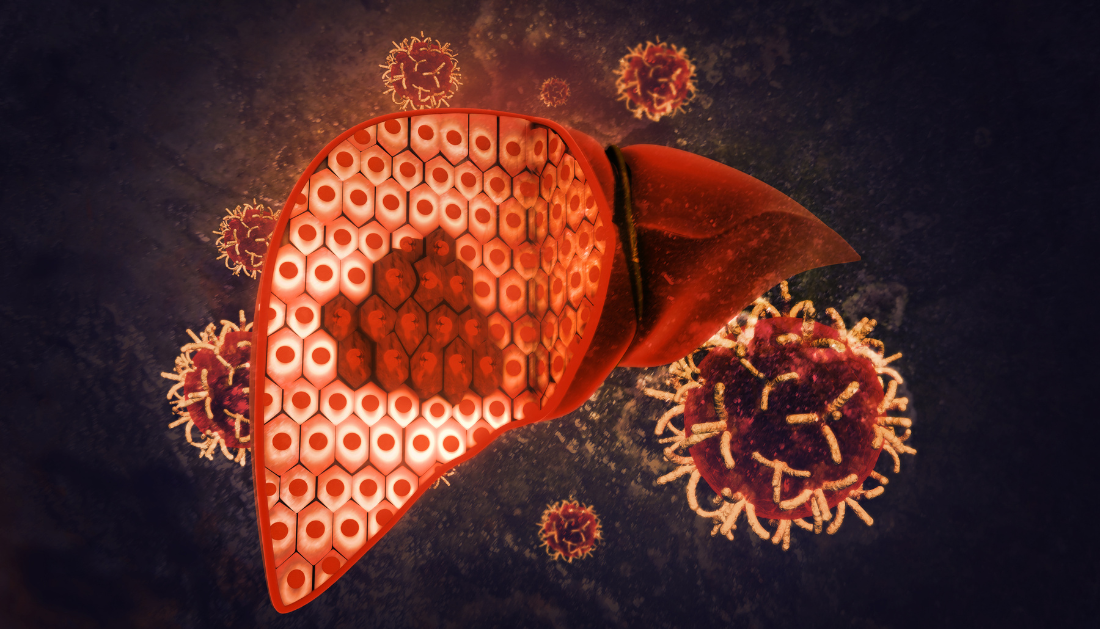
Fatty Acid Metabolism Reprogramming in Liver Cancer Cells

A recent study published in Acta Materia Medica explores the significant role of fatty acid (FA) metabolism reprogramming in hepatocellular carcinoma (HCC), a common form of liver cancer. While it is known that FA reprogramming plays a pivotal role in cancer, the specific contribution of altered fatty acid metabolism to the heterogeneity of HCC had yet to be fully understood. Using advanced bioinformatics tools, including single-cell sequencing and non-negative matrix factorization (NMF) algorithms, researchers have shed light on how fatty acid metabolism is reprogrammed in HCC and its impact on patient prognosis.
The study involved a detailed analysis of 13 types of HCC cells, with the highest levels of FA metabolic aberrance found in epithelial cells. In contrast, certain immune cells, such as B cells, CD8Tcm cells, and Treg cells, exhibited lower levels of FA metabolism aberration. Interestingly, epithelial cells displayed significant diversity in fatty acid metabolism, with a wide distribution of values ranging from −0.2 to 0.8. This diversity is a key feature of HCC heterogeneity, as it reflects variations in the metabolic processes occurring within the cancerous cells.
Further analysis revealed that low FA metabolism was associated with poor prognosis in HCC patients, as shown by survival analysis (log-rank test, P=0.0089). Conversely, higher oxidase expression correlated with lower oncogenesis risk and better overall survival rates. However, enzymes involved in synthesis, oxidation, storage, and release showed considerable phenotypic diversity within HCC, highlighting the complexity of metabolic alterations in liver cancer.
The findings emphasize that fatty acid metabolism reprogramming is strongly linked to the heterogeneity of HCC, which can significantly impact treatment strategies and patient outcomes. These insights open the door for potential therapeutic targets, focusing on metabolic reprogramming in HCC treatment. Get more insights on cancers in women.
More Information: Guo, Y., et al. (2024). Bioinformatics-based analysis of fatty acid metabolic reprogramming in hepatocellular carcinoma: cellular heterogeneity, therapeutic targets, and drug discovery. Acta Materia Medica. doi.org/10.15212/amm-2024-0057.

 Gamma Oscillations Restored in Alzheimer’s Disease Mice
Key takeaways Researchers restored parvalbumin (PV).
 Coffee Consumption Linked to Lower Recurrent VTE Risk
Key points at a glance Study.
 Body Roundness Index Linked to Higher Heart Attack Risk
Key findings at a glance Study.
 Maternal Diet Fails to Reduce Infant Egg and Peanut Allergy
Key Points A large Australian randomized.
 Visual Impairment Linked to Higher Dementia Risk
Key findings at a glance A.
 Long-Acting HIV Treatment May Help Drug-Resistant Cases
Key Takeaways A UCSF study found.
 Night Shift Work Alters Key Circadian Gene Expression
A recent study published in Frontiers.
 Tirzepatide Weight Loss: Fat Mass and Muscle Findings
Key points Tirzepatide was associated with.
 Coffee and Gut Microbiome: Brewing and Metabolic Effects
Key Points Coffee contains caffeine, chlorogenic.
 Low-Dose Radiation Therapy Shows Promise in Early Knee OA
Key Points Low-dose radiation therapy was.
Leave a Comment