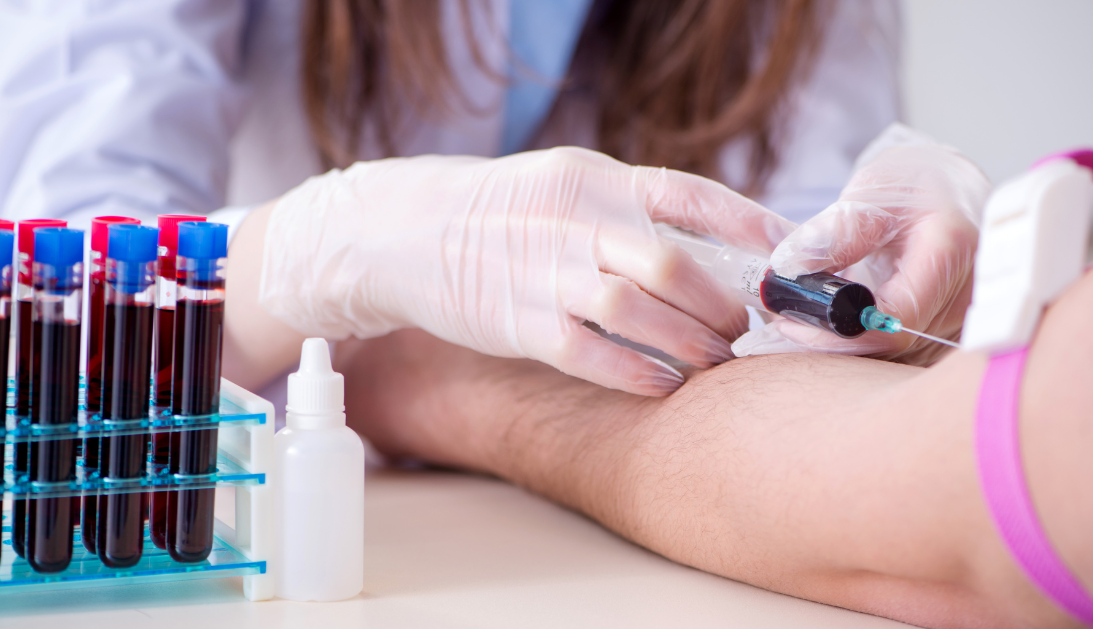
Liquid Biopsy Detects Early Cancer via Epigenetic Instability

Early cancer detection remains a critical unmet need in oncology, particularly for tumors that shed limited DNA into the bloodstream. Researchers at the Johns Hopkins Kimmel Cancer Center now report a promising liquid biopsy strategy that focuses on random variation in DNA methylation, termed epigenetic instability, rather than fixed methylation changes.
Published in Clinical Cancer Research, the proof-of-concept study introduces the Epigenetic Instability Index (EII), a quantitative measure of methylation stochasticity in circulating cell-free DNA. According to the investigators, this randomness appears to be a consistent hallmark of early carcinogenesis across multiple cancer types.
Traditional methylation-based liquid biopsies rely on detecting specific methylation patterns, which often vary by age, ethnicity, or cohort characteristics. To overcome this limitation, the Johns Hopkins team analyzed 2,084 publicly available cancer methylation samples, identifying 269 CpG islands that captured the highest methylation variability across cancers.
Using these regions, researchers trained a machine learning model to differentiate cancer-derived signals from healthy samples. The EII demonstrated strong diagnostic performance:
For clinicians, this suggests a potentially more universal and population-agnostic biomarker for early cancer detection.
From a clinical perspective, EII could serve as a secondary triaging tool alongside established screening tests. For example, patients with elevated PSA levels, often associated with false positives, could benefit from an EII-based blood test to guide biopsy decisions more accurately.
The research team is now expanding validation studies in larger, longitudinal cohorts. If confirmed, EII may complement other Johns Hopkins-developed assays such as DELFI and mutation-based liquid biopsies, supporting earlier interception of cancer development.
For oncologists, pathologists, nurses, and preventive care specialists, this approach highlights a shift toward epigenome-wide variability metrics as clinically meaningful cancer signals.

 Prenatal Smoking Raises Risk of Child Mental Disorders
Key Summary Prenatal smoking is associated.
 Physical Activity Guidelines Gap: Walking is Insufficient
Quick Summary Walking remains the most.
 Breast Cancer Risk Rises with Aging Tissue Changes
Key Highlights A 3-million-cell atlas reveals.
 Type 2 Diabetes Risk Rising in Genetically Susceptible
Quick Summary Rising type 2 diabetes.
 Female Microbiome Shaped by Diet, Stress, Unhealthy Lifestyle
Quick Summary Lifestyle factors significantly influence.
 Transcatheter Valve-in-Valve Improves Mitral Outcomes
Key Highlights Transcatheter mitral valve-in-valve (mVIV).
 Stroke Rehabilitation: Early High-Intensity Therapy Findings
Key Highlights High-intensity therapy within 2.
 TRPM8 Cold Sensation Mechanism Explained for Pain Care
Quick Summary TRPM8 ion channel converts.
 Gum Recession from Snus Confirmed, Caries Risk Debated
Key Highlights Snus use is strongly.
 Hypertensive Disorders of Pregnancy: Role of Daily Activity
Key Points Summary Limiting sedentary time.
Leave a Comment