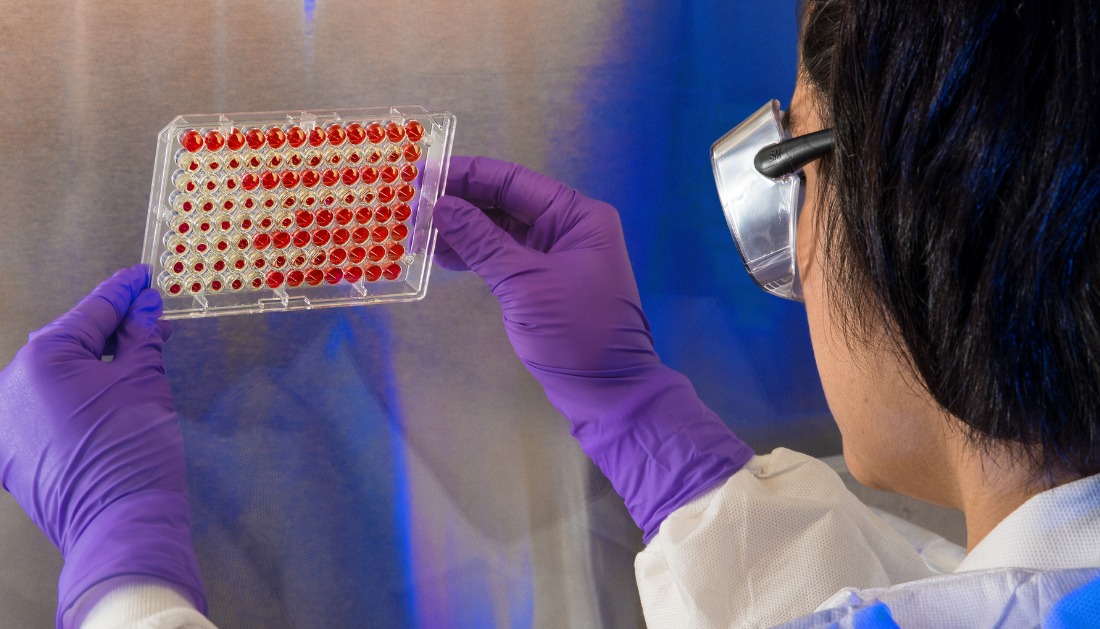
Nanovaccine Design Boosts HPV Tumor Immunity

A new study from Northwestern University, published in Science Advances, demonstrates that nanovaccine design, specifically the spatial orientation of antigens, can dramatically influence immune potency against HPV-driven cancers.
Researchers engineered therapeutic cancer vaccines using spherical nucleic acids (SNAs), a structured DNA-based nanoplatform known for its efficient entry into and activation of immune cells. Rather than altering vaccine ingredients, investigators systematically modified the placement and orientation of a single HPV-derived peptide antigen.
In humanized animal models of HPV-positive cancer and in tumor samples from patients with head and neck cancer, one configuration consistently outperformed others. When the HPV antigen was displayed on the nanoparticle surface and attached via its N-terminus, it triggered a markedly stronger cytotoxic immune response.
The optimized formulation slowed tumor growth, extended survival in preclinical models, and generated significantly higher levels of interferon-gamma from CD8+ “killer” T cells, up to eightfold compared to alternative designs.
Conventional cancer vaccines typically mix tumor antigens with immune-stimulating adjuvants in an unstructured formulation. This “blender approach” does not control the spatial organization of components.
By contrast, structural nanomedicine deliberately arranges vaccine elements at the nanoscale. Using SNAs, researchers positioned immune-activating DNA and lipid cores alongside the HPV peptide in defined geometries. The only difference among vaccine versions was how the antigen was oriented, either hidden within the particle or displayed externally via different terminal attachments.
The data show that immune cells are highly sensitive to molecular geometry. Presenting the antigen on the surface via the N-terminus improved antigen processing and T cell activation without increasing dose or introducing new components.
For oncologists and oncology nurses managing HPV-associated cancers, such as cervical and head and neck malignancies, these findings suggest that therapeutic vaccine efficacy may depend as much on nanoscale architecture as on antigen selection.
HPV accounts for most cervical cancers and a growing proportion of head and neck cancers. Preventive HPV vaccines reduce infection risk but do not treat established tumors. This therapeutic SNA-based strategy aims to bridge that gap by training CD8+ T cells to recognize and destroy infected cancer cells.
Importantly, seven SNA-based therapies have already entered human clinical trials for various diseases, indicating translational potential. Investigators also highlight the future role of artificial intelligence in optimizing nanovaccine configurations across cancer types.
For HCPs involved in cancer immunotherapy, this research reinforces a central principle: in nanomedicine, structure dictates function. Refining antigen placement within nanoparticle vaccines could reshape therapeutic strategies for HPV tumors and other solid malignancies.

 Gum Recession from Snus Confirmed, Caries Risk Debated
Key Highlights Snus use is strongly.
 Hypertensive Disorders of Pregnancy: Role of Daily Activity
Key Points Summary Limiting sedentary time.
 Climate Change Drives Dengue Outbreaks Globally
Key Takeaways Extreme weather significantly increases.
 Teen Driving Risks: Parents Underestimate Safety Threats
Key Takeaways Teen driving risks remain.
 PFK Enzyme Dual Role in Metabolism and Cell Cycle
Key Highlights Phosphofructokinase (PFK Enzyme) shows.
 Exercise During Chemotherapy Supports Brain Health
Key Points Summary A nationwide clinical.
 Invasive Cosmetic Procedures Raise Patient Safety Concerns
Key Summary Experts publishing in The.
 Oligometastatic Pancreatic Cancer: New Global Consensus
Key Points Summary An international expert.
 Endometriosis Screening Tool May Cut Diagnosis Delays
Key Points Researchers from the University.
 Influenza Vulnerability Index Maps Flu Risk Across US States
Key Points Researchers developed a new.
Leave a Comment