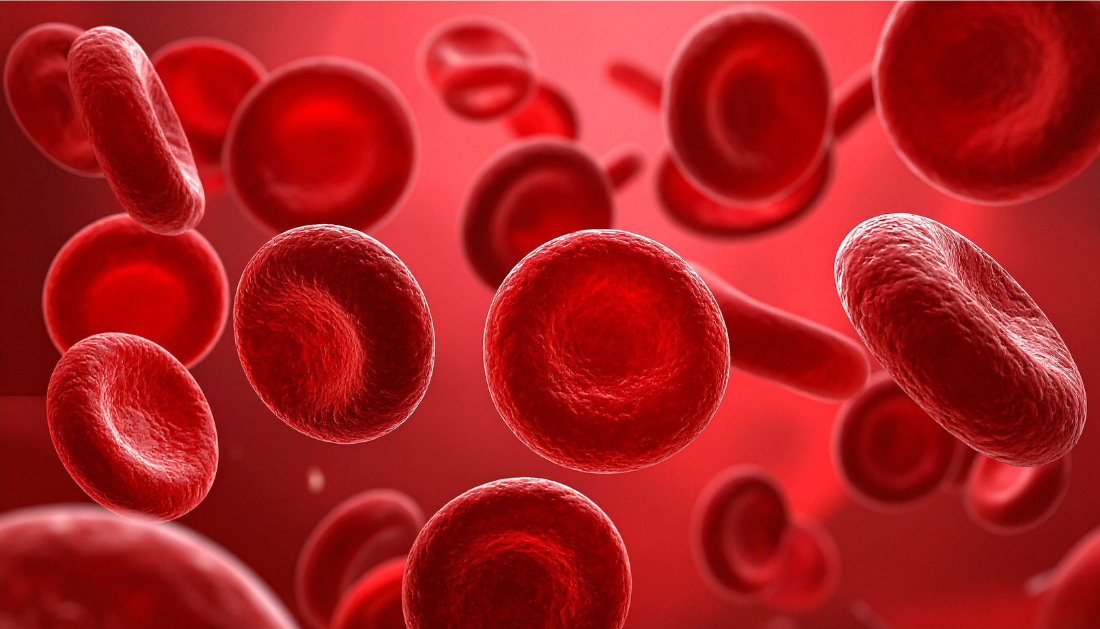
Red Blood Cells Drive Better Glucose Tolerance

Populations living at high altitude consistently show lower diabetes prevalence and better glucose control despite reduced oxygen availability. A new study published in Cell Metabolism provides mechanistic clarity, identifying red blood cells as active regulators of systemic glucose metabolism during chronic hypoxia. This work challenges the long-held view of RBCs as passive oxygen carriers and highlights their metabolic relevance in glycemic control.
Using a normobaric hypoxia mouse model, researchers demonstrated that exposure to low oxygen rapidly reduced fasting blood glucose and improved glucose tolerance within days. Notably, these effects persisted even after return to normoxia and occurred despite no improvement in insulin sensitivity, suggesting an insulin-independent mechanism.
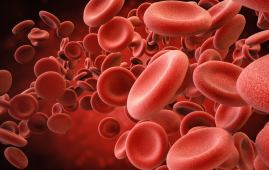
Chronic hypoxia nearly doubled circulating RBC counts. When hypoxia-induced erythrocytosis was reversed through serial phlebotomy, glycemic benefits disappeared. Conversely, transfusion of RBCs from hypoxic donors into normoxic mice induced hypoglycemia. These findings confirmed that increased RBC mass was both necessary and sufficient for improved glucose tolerance.
Beyond quantity, hypoxic RBCs showed higher per-cell glucose uptake. Flow cytometry revealed increased expression of GLUT1 and GLUT4 transporters, particularly in newly generated erythrocytes. Stable isotope tracing further confirmed accelerated intracellular glucose phosphorylation, indicating enhanced metabolic capacity at the cellular level.
Metabolomic analyses showed that hypoxic RBCs redirected glucose toward the Luebering–Rapoport shunt, increasing 2,3-diphosphoglycerate production. This pathway not only boosts oxygen delivery to tissues but also increases glucose consumption. Molecular studies identified displacement of GAPDH from band 3 protein under low oxygen as a key trigger for increased glycolytic flux.
Therapeutically, hypoxia exposure and hypoxic RBC transfusion improved hyperglycemia in mouse models of both type 1 and type 2 diabetes. In diet-induced diabetes, pharmacologic induction of tissue hypoxia improved glycemia without direct RBC transfusion, highlighting translational potential.
This study positions RBCs as dynamic participants in glucose homeostasis. Targeting erythrocyte metabolism or safely mimicking hypoxia-induced adaptations may offer novel strategies for managing hyperglycemia, especially in insulin-deficient or insulin-resistant states.

 Body Roundness Index Linked to Higher Heart Attack Risk
Key findings at a glance Study.
 Maternal Diet Fails to Reduce Infant Egg and Peanut Allergy
Key Points A large Australian randomized.
 Visual Impairment Linked to Higher Dementia Risk
Key findings at a glance A.
 Long-Acting HIV Treatment May Help Drug-Resistant Cases
Key Takeaways A UCSF study found.
 Night Shift Work Alters Key Circadian Gene Expression
A recent study published in Frontiers.
 Tirzepatide Weight Loss: Fat Mass and Muscle Findings
Key points Tirzepatide was associated with.
 Coffee and Gut Microbiome: Brewing and Metabolic Effects
Key Points Coffee contains caffeine, chlorogenic.
 Low-Dose Radiation Therapy Shows Promise in Early Knee OA
Key Points Low-dose radiation therapy was.
 Oral Hormone Replacement Therapy Raises Blood Clot Risk
Key Points Oral hormone replacement therapy.
 GLP-1 Health Information: Quality, Completeness, & Engagement
Key Points A study assessed 128.
Leave a Comment