
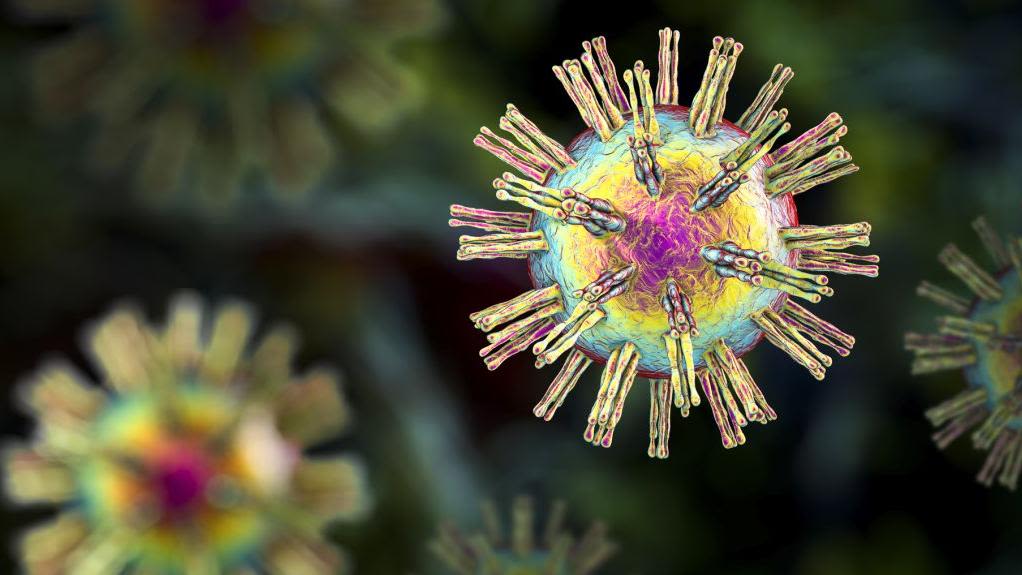
A new study suggests that repeated head injuries, such as concussions, a known risk factor for Alzheimer’s disease (AD), may reactivate a common dormant virus in the brain, increasing the risk of AD and other neurodegenerative conditions. Researchers found that even mild brain trauma can trigger this chain reaction, leading to harmful changes associated with memory loss and cognitive decline.
In previous studies, the researchers demonstrated the roles that common viruses, such as herpes simplex virus type 1 (HSV-1) (the so-called cold sore virus) and varicella zoster virus (VZV) (which causes chickenpox and shingles) play in the development of AD. HSV-1 can lie dormant in human cells for a lifetime, but when it re-awakens it can cause changes that resemble changes observed in AD patients’ brains – amyloid plaque-like formations (PLFs), gliosis, neuroinflammation, and decreased functionality.
In the latest study, published today in Science Signaling, the researchers once again used their small, 3D, bioengineered human brain tissue model to test the effects of physical trauma on the brain cells. When the brain tissues were exposed to repeated “mild blows,” similar to concussions, the previously dormant HSV-1 virus became active. This reactivation triggered inflammation, beta-amyloid plaque build-up, and the formation of harmful tau proteins, which can damage brain cells and impair memory.
Importantly, the researchers also found that blocking an inflammatory molecule called Interleukin-1 beta (IL-1β) prevented many of these harmful effects in lab models, opening the door to potential new treatments for those at risk.
Professor Ruth Itzhaki, who led the research with Drs Cairns and Kaplan at Tufts, has been researching the potential role of HSV-1 in AD for more than 30 years, beginning at the University of Manchester, where her team discovered HSV-1 DNA is present in the human brain in a high proportion of older people – the first microbe to be detected definitively in normal human brains.

more recommended stories
 Gamma Oscillations Restored in Alzheimer’s Disease Mice
Key takeaways Researchers restored parvalbumin (PV).
 Coffee Consumption Linked to Lower Recurrent VTE Risk
Key points at a glance Study.
 Body Roundness Index Linked to Higher Heart Attack Risk
Key findings at a glance Study.
 Maternal Diet Fails to Reduce Infant Egg and Peanut Allergy
Key Points A large Australian randomized.
 Visual Impairment Linked to Higher Dementia Risk
Key findings at a glance A.
 Long-Acting HIV Treatment May Help Drug-Resistant Cases
Key Takeaways A UCSF study found.
 Night Shift Work Alters Key Circadian Gene Expression
A recent study published in Frontiers.
 Tirzepatide Weight Loss: Fat Mass and Muscle Findings
Key points Tirzepatide was associated with.
 Coffee and Gut Microbiome: Brewing and Metabolic Effects
Key Points Coffee contains caffeine, chlorogenic.
 Low-Dose Radiation Therapy Shows Promise in Early Knee OA
Key Points Low-dose radiation therapy was.
Leave a Comment