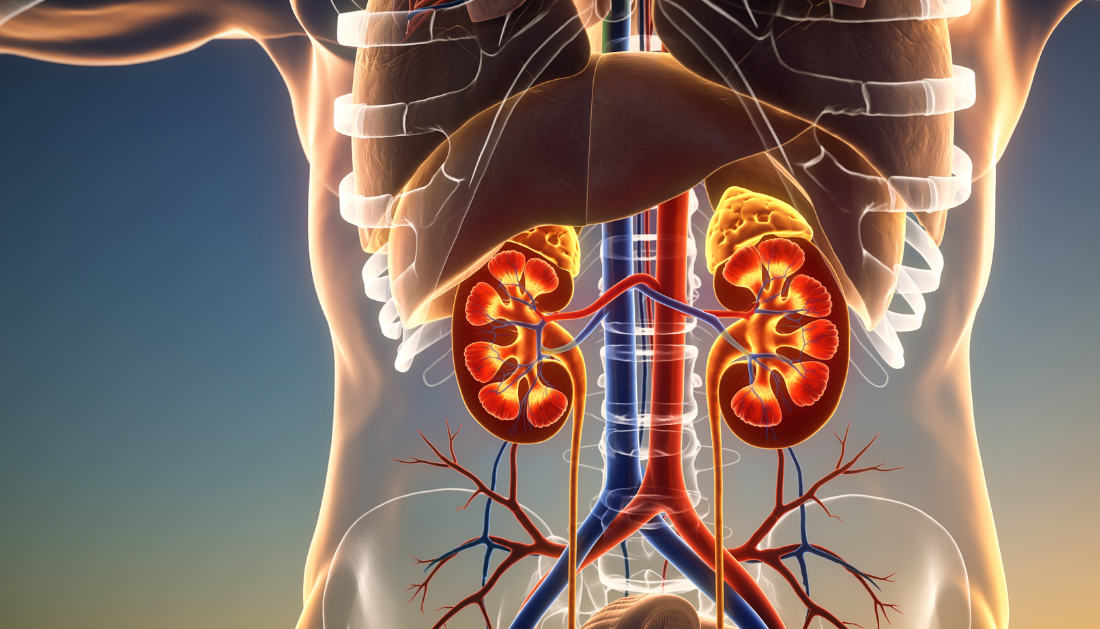
Renal Health Effects on Alzheimer’s Biomarkers

Poor kidney function may influence levels of Alzheimer’s biomarkers, but not necessarily dementia risk, according to new findings published in Neurology. This association is clinically essential for neurologists, nephrologists, geriatricians, and frontline HCPs interpreting blood-based Alzheimer’s diagnostics.
Researchers analyzed 2,279 adults (average age 72) without dementia at baseline. They found that individuals with reduced kidney function showed higher levels of tau, amyloid beta, neurofilament light chain (NfL), and glial fibrillary acidic protein. These results held even after excluding early dementia cases.
Because kidneys filter waste and proteins from the bloodstream, impaired function may allow biomarkers to accumulate, leading to higher readings despite no actual increase in neurodegenerative burden.
Study author Francesca Gasparini, MD, emphasized that clinicians should consider renal health as a vital variable when interpreting Alzheimer’s blood tests, especially in older adults or those with comorbidities.
After adjusting for age, sex, and APOEe4 status, poor kidney function was not associated with a higher likelihood of developing dementia.
However, a key interaction emerged:
Patients with impaired kidney function and elevated NfL levels had nearly double the risk of developing dementia compared to those with preserved renal function but similarly high biomarker levels.
This suggests kidney health may influence when dementia develops, rather than if it occurs, in patients already showing biomarker elevations.
These findings highlight an emerging diagnostic principle:
Monitoring renal function may help prevent misinterpretation of elevated biomarkers and support more accurate risk stratification.
A key limitation is that biomarkers were measured only once, and the cohort primarily included highly educated urban Swedish adults, limiting generalizability. Still, the study underscores the diagnostic value of a combined neurology–nephrology view for older patients undergoing dementia screening.

 Long-Acting HIV Treatment May Help Drug-Resistant Cases
Key Takeaways A UCSF study found.
 Epilepsy Drugs May Interact With Hormonal Contraceptives
Key points: Nearly one-third of people.
 Night Shift Work Alters Key Circadian Gene Expression
A recent study published in Frontiers.
 Tirzepatide Weight Loss: Fat Mass and Muscle Findings
Key points Tirzepatide was associated with.
 Coffee and Gut Microbiome: Brewing and Metabolic Effects
Key Points Coffee contains caffeine, chlorogenic.
 Low-Dose Radiation Therapy Shows Promise in Early Knee OA
Key Points Low-dose radiation therapy was.
 Oral Hormone Replacement Therapy Raises Blood Clot Risk
Key Points Oral hormone replacement therapy.
 GLP-1 Health Information: Quality, Completeness, & Engagement
Key Points A study assessed 128.
 DNA Damage Response May Drive Biological Aging
Key Points Chronic DNA damage response.
 Dietary Polyphenol Intake Associated With Lower MCI Odds
Key Points Older adults without mild.
Leave a Comment