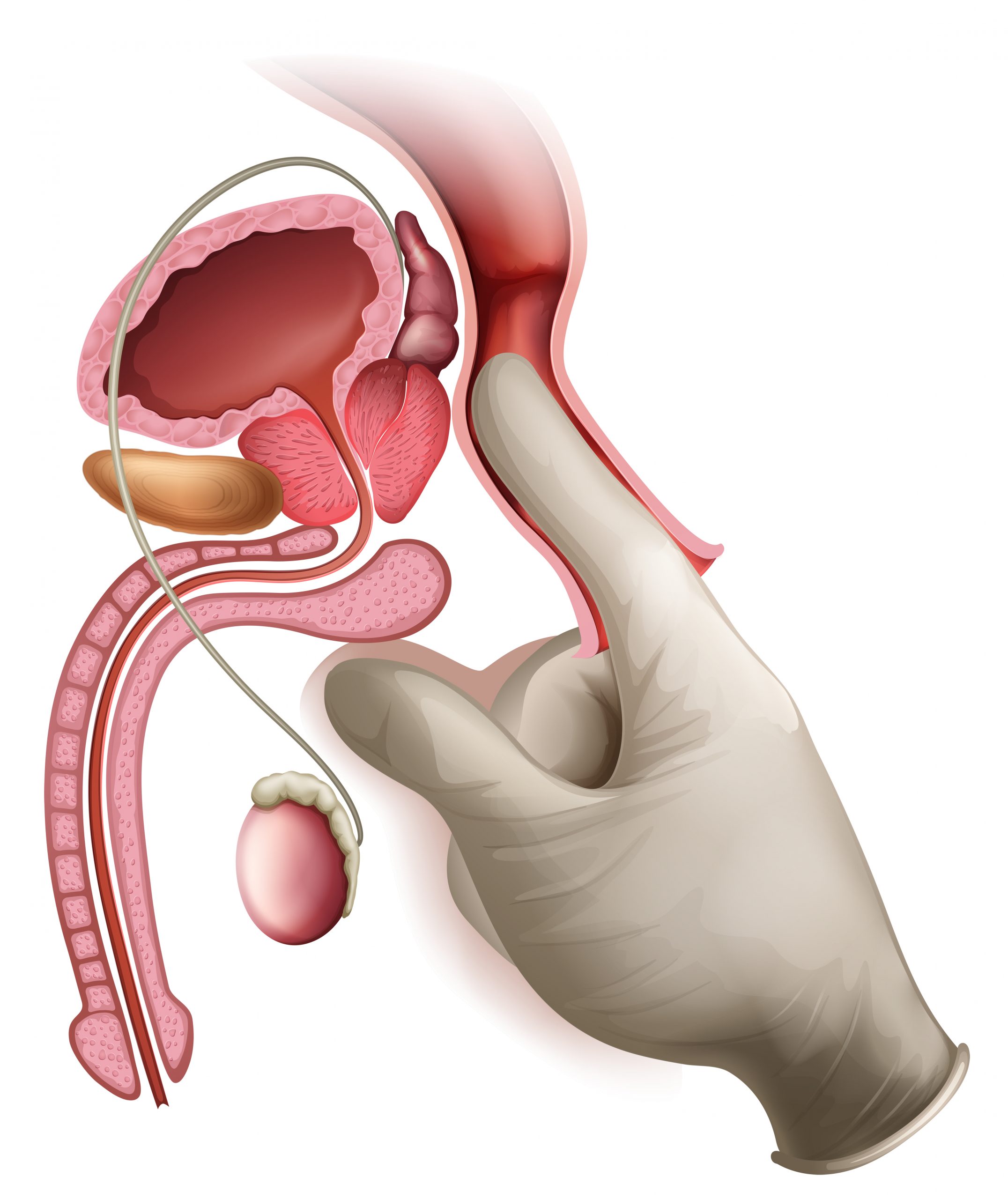
Image by brgfx on Freepik

Prostate cancer is the most common type of cancer in males and the second greatest cause of cancer death in the United States. The persistent disease can continue to grow in its ever-indelicate environment even when the amount of testosterone in the body is decreased to very low levels, earning the clunky moniker castrate-resistant prostate cancer (CRPC). It poses a significant clinical issue since a protein known as the androgen receptor (AR) remains a key participant in cancer, modifying its behavior in CRPCs.
Androgen-deprivation therapy, which lowers male hormone levels, is the first-line treatment for locally progressed or metastatic prostate cancer. Regardless of initial responses to medication, nearly all patients develop CRPC within a few years. It is now widely acknowledged that CRPC remains dependent on AR signaling.
“Understanding the triggers that cause changes in AR’s activity is important for developing better treatments for CRPCs,” said Ping Yi, assistant professor of biology and biochemistry, who is leading a team investigating CRPC. Yi’s research is published in PNAS.
Ramesh Singh, Lance Lumahan, and Hong Shen from Baylor College of Medicine’s Department of Molecular and Cellular Biology; and Steven Nguyen from the University of Houston’s Department of Biology and Biochemistry, Center for Nuclear Receptors and Cell Signaling.
“We found a specific chemical modification that occurs on the AR protein in certain conditions where the levels of male hormones are reduced to castration conditions. This modification involves another protein called TRAF4, which is frequently overexpressed in advanced prostate cancers. We demonstrated that overexpression of TRAF4 leads to the conversion of androgen-sensitive prostate cancer cells into castration-resistant cells, both in lab experiments and in live samples,” said Yi.
“We also found that the TRAF4 protein level is higher in androgen-insensitive lymph node carcinoma cells of the prostate.”
TRAF4 is also linked to the spread of cancer to other regions of the body, according to the research. Yi studied cells from patients with metastatic cancer who had previously had androgen-deprivation therapy for this study. The TRAF4 protein was also shown to be higher in cancer cells that are no longer susceptible to androgens compared to cells that are still receptive to androgens.
The researchers feel that these findings give a solid foundation for identifying a subset of CRPC patients who may benefit from a medication that targets the specific molecular changes produced by the AR mutation, potentially giving a treatment option for this group of patients.

 Gamma Oscillations Restored in Alzheimer’s Disease Mice
Key takeaways Researchers restored parvalbumin (PV).
 Coffee Consumption Linked to Lower Recurrent VTE Risk
Key points at a glance Study.
 Body Roundness Index Linked to Higher Heart Attack Risk
Key findings at a glance Study.
 Maternal Diet Fails to Reduce Infant Egg and Peanut Allergy
Key Points A large Australian randomized.
 Visual Impairment Linked to Higher Dementia Risk
Key findings at a glance A.
 Long-Acting HIV Treatment May Help Drug-Resistant Cases
Key Takeaways A UCSF study found.
 Night Shift Work Alters Key Circadian Gene Expression
A recent study published in Frontiers.
 Tirzepatide Weight Loss: Fat Mass and Muscle Findings
Key points Tirzepatide was associated with.
 Coffee and Gut Microbiome: Brewing and Metabolic Effects
Key Points Coffee contains caffeine, chlorogenic.
 Low-Dose Radiation Therapy Shows Promise in Early Knee OA
Key Points Low-dose radiation therapy was.
Leave a Comment