
Reducing Alcohol Consumption and Cancer Deaths

Reducing alcohol consumption could significantly lower cancer deaths, according to a large-scale Australian study published in the British Journal of Cancer. Using more than seven decades of national mortality data, alcohol and tobacco consumption records, and healthcare expenditure figures, researchers assessed the long-term population-level impact of alcohol on cancer mortality.
The findings confirm alcohol as a causal factor in several major cancers. Long-term exposure was linked to approximately 45% of male and 21% of female upper aerodigestive tract (UADT) cancer deaths, 48% of male liver cancer deaths, 15% of male and 4% of female colorectal cancer deaths, and 14% of female breast cancer deaths. These estimates exceed earlier Australian studies, highlighting the cumulative effect of decades of alcohol consumption.
For clinicians and public health professionals, these results reinforce alcohol as a modifiable cancer risk factor with substantial population-level implications.
Using time-series modelling, researchers estimated the effect of a modest reduction in alcohol consumption. A decrease of one litre of alcohol per person per year was associated with measurable declines in alcohol-related cancer deaths, including:
The strongest associations were observed among individuals aged 50 years and older, a demographic that consumes more alcohol than younger cohorts. With Australia’s ageing population, researchers caution that alcohol-related cancer mortality may increase without preventive intervention.
According to lead author Associate Professor Jason Jiang from La Trobe University, this is the first Australian study to link long-term alcohol consumption with cancer mortality using extended aggregate data. The findings provide robust evidence supporting population-wide alcohol reduction strategies, including taxation reform, restricted availability, and clearer health warning labels.
The study aligns with Australian alcohol guidelines, which recommend no more than 10 standard drinks per week and four per day for both men and women. While the WHO states no level of alcohol consumption is completely safe for cancer risk, adherence to these guidelines could substantially reduce alcohol-related cancer burden.
For healthcare professionals, the data underscores the importance of alcohol risk counseling, preventive health messaging, and policy advocacy to reduce cancer mortality at scale.

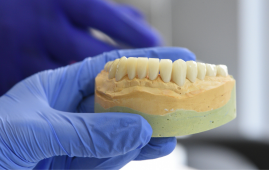 Gum Recession from Snus Confirmed, Caries Risk Debated
Key Highlights Snus use is strongly.
 Hypertensive Disorders of Pregnancy: Role of Daily Activity
Key Points Summary Limiting sedentary time.
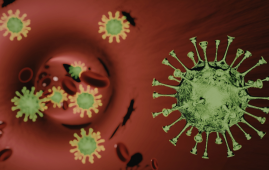 Climate Change Drives Dengue Outbreaks Globally
Key Takeaways Extreme weather significantly increases.
 Teen Driving Risks: Parents Underestimate Safety Threats
Key Takeaways Teen driving risks remain.
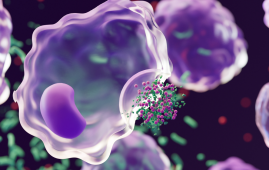 PFK Enzyme Dual Role in Metabolism and Cell Cycle
Key Highlights Phosphofructokinase (PFK Enzyme) shows.
 Exercise During Chemotherapy Supports Brain Health
Key Points Summary A nationwide clinical.
 Invasive Cosmetic Procedures Raise Patient Safety Concerns
Key Summary Experts publishing in The.
 Oligometastatic Pancreatic Cancer: New Global Consensus
Key Points Summary An international expert.
 Endometriosis Screening Tool May Cut Diagnosis Delays
Key Points Researchers from the University.
 Influenza Vulnerability Index Maps Flu Risk Across US States
Key Points Researchers developed a new.
Leave a Comment