
Bioactive Mapping of Sterilized Fermented Beverage

A new in silico analysis published in Scientific Reports highlights how a sterilized fermented beverage made from medicinal-food-homologous (MFH) plants may interact with obesity and type 2 diabetes (T2D) pathways. Unlike most studies that examine raw herbal materials, this research evaluates the actual sterilized, consumable formulation, offering clinicians and metabolic researchers an early look at how preserved bioactives may influence inflammation and insulin signaling.
Using advanced UPLC-MS/MS profiling, investigators detected more than 3,000 phytochemicals in a heat-treated and terminally sterilized MFH beverage (FH03FS). Ten key actives, including aporphine alkaloids such as nuciferine and asimilobine, as well as several flavonoids, were identified based on favorable ADMET predictions, high GI absorption, and acceptable safety signals.
These compounds were mapped against obesity and T2D gene networks using systems pharmacology. The analysis yielded 144 overlapping targets, with 20 core proteins emerging as central hubs in metabolic inflammation, such as PPARG, ESR1, AKT1, TNF, IL1B, and STAT3. Enriched pathways included insulin resistance, PI3K-Akt, MAPK, cAMP, lipid signaling, and AGE-RAGE pathways.
Molecular docking and 100-ns molecular dynamics simulations showed stable binding between selected compounds and metabolic proteins. Morin demonstrated a strong affinity with ESR1 and BCL2, while flavonoids and (S)-coclaurine favored PPARG. Nuciferine displayed broad multi-protein engagement. These findings highlight theoretical modulation of glucose transport, lipid handling, and inflammatory cascades.
Molecular docking suggested strong theoretical affinity between beverage-derived actives and metabolic proteins. Morin demonstrated high binding toward ESR1 and BCL2, while several flavonoids and (S)-coclaurine favored PPARG. Nuciferine exhibited broad interaction across multiple inflammatory and insulin-related targets.
Molecular dynamics simulations (100 ns) supported binding stability, with the morin–ESR1 and asimilobine–PPARG complexes showing consistent RMSD values, stable hydrogen bonding, and low-energy binding states. These theoretical interactions suggest possible modulation of glucose transport, hepatic gluconeogenesis, lipid behavior, and inflammatory pathways.
Although these findings do not replace pharmacologic treatments such as GLP-1 or SGLT2 therapies, they introduce a low-cost dietary adjunct worth evaluating in future experimental settings.
The study offers a computational foundation for future laboratory and clinical testing. For HCPs and metabolic researchers, the findings highlight how a sterilized fermented beverage may eventually serve as an accessible support tool for metabolic health, pending verification through biophysical assays, cell research, and controlled human studies.

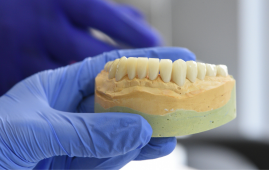 Gum Recession from Snus Confirmed, Caries Risk Debated
Key Highlights Snus use is strongly.
 Hypertensive Disorders of Pregnancy: Role of Daily Activity
Key Points Summary Limiting sedentary time.
 Climate Change Drives Dengue Outbreaks Globally
Key Takeaways Extreme weather significantly increases.
 Teen Driving Risks: Parents Underestimate Safety Threats
Key Takeaways Teen driving risks remain.
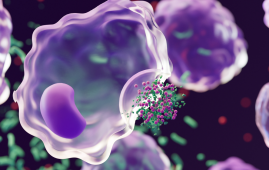 PFK Enzyme Dual Role in Metabolism and Cell Cycle
Key Highlights Phosphofructokinase (PFK Enzyme) shows.
 Invasive Cosmetic Procedures Raise Patient Safety Concerns
Key Summary Experts publishing in The.
 Food Tolerance Mechanism: How T Cells Prevent Allergies
Key Summary Researchers at Stanford University.
 Endometriosis Screening Tool May Cut Diagnosis Delays
Key Points Researchers from the University.
 Influenza Vulnerability Index Maps Flu Risk Across US States
Key Points Researchers developed a new.
 Post Amputation Pain Patterns Differ by Prosthetic Type
Key Summary A new study from.
Leave a Comment