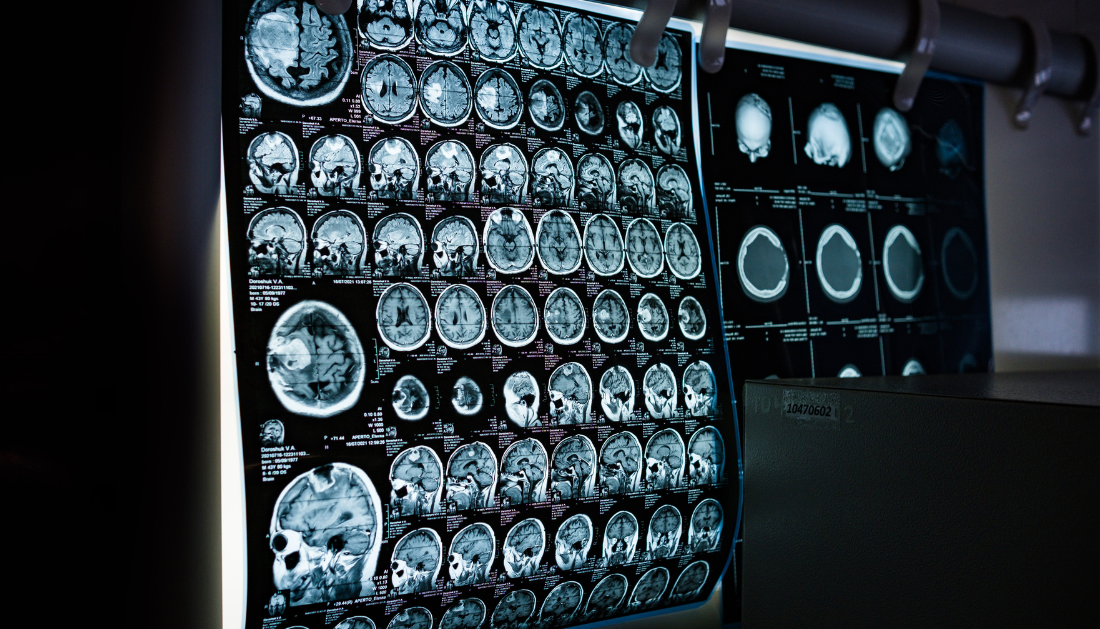
Stroke Rehabilitation: Early High-Intensity Therapy Shows No Added Benefit

A recent clinical trial published in Brain Communications challenges a long-held assumption in stroke rehabilitation, that increasing therapy intensity early after stroke leads to better outcomes. The ESPRESSo trial, led by researchers at the University of Auckland, found that high-intensity therapy initiated within two weeks of stroke did not significantly enhance hand and arm recovery compared to standard care.
This finding is particularly relevant for healthcare professionals managing post-stroke rehabilitation, where optimizing therapy timing and intensity remains a clinical priority.
The trial enrolled 64 stroke survivors and introduced high-repetition, high-intensity therapy over three weeks, adding 90 minutes of daily therapy to standard care. Patients were uniquely selected using a recovery biomarker, allowing a more targeted approach to rehabilitation.
Participants were divided into:
Despite increased exposure to therapy, both groups achieved outcomes comparable to those with standard care alone.
Early recovery is largely driven by spontaneous biological processes, including:
These mechanisms appear to overshadow the impact of additional therapy during the initial recovery phase.
The findings suggest that “more therapy, earlier” may not always translate to better outcomes, prompting a reassessment of rehabilitation protocols.
For clinicians and rehabilitation teams:
Interestingly, digital rehabilitation platforms demonstrated similar outcomes to traditional methods, offering scalable and engaging alternatives for patient care.
This study reinforces the need for personalized stroke rehabilitation, focusing on timing, patient capacity, and the phases of biological recovery rather than on therapy volume alone.
As stroke care continues to evolve, integrating biomarker-driven selection and adaptive therapy models may help improve long-term functional outcomes and patient independence.

 TRPM8 Cold Sensation Mechanism Explained for Pain Care
Quick Summary TRPM8 ion channel converts.
 Gum Recession from Snus Confirmed, Caries Risk Debated
Key Highlights Snus use is strongly.
 Hypertensive Disorders of Pregnancy: Role of Daily Activity
Key Points Summary Limiting sedentary time.
 Climate Change Drives Dengue Outbreaks Globally
Key Takeaways Extreme weather significantly increases.
 Teen Driving Risks: Parents Underestimate Safety Threats
Key Takeaways Teen driving risks remain.
 PFK Enzyme Dual Role in Metabolism and Cell Cycle
Key Highlights Phosphofructokinase (PFK Enzyme) shows.
 Exercise During Chemotherapy Supports Brain Health
Key Points Summary A nationwide clinical.
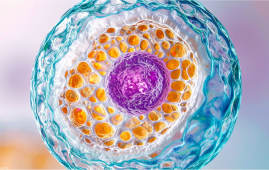 Stem Cell Therapies Course for Parkinson’s Disease Clinicians
Key Summary The International Society for.
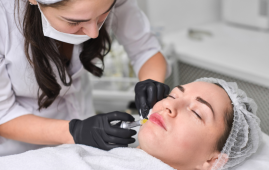 Invasive Cosmetic Procedures Raise Patient Safety Concerns
Key Summary Experts publishing in The.
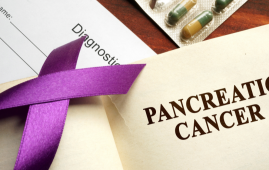 Oligometastatic Pancreatic Cancer: New Global Consensus
Key Points Summary An international expert.
Leave a Comment