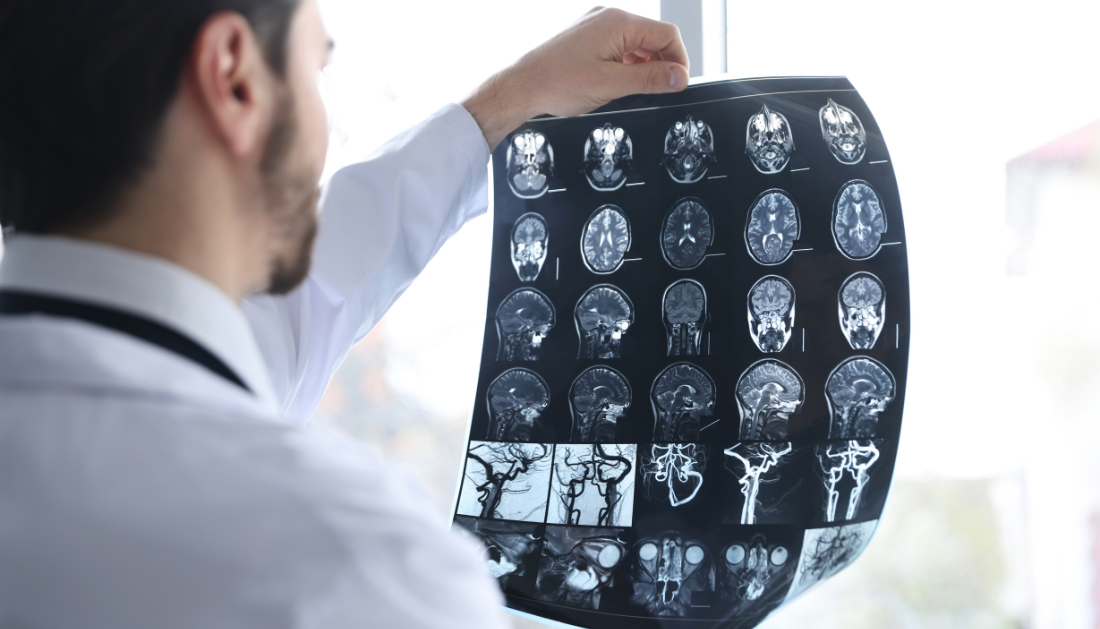
Low Birthweight Increases Stroke Risk Independent of Adult BMI

New findings presented at the European Congress on Obesity 2026 highlight an important shift in how clinicians may assess long-term vascular risk. Researchers from the University of Gothenburg, including Dr Lina Lilja and Dr Maria Bygdell, report that low birthweight significantly increases stroke risk in early adulthood, regardless of adult body mass index (BMI).
Despite declining stroke incidence in older populations, rates among younger adults remain concerning, particularly across regions like Southeast Asia and high-income countries such as Sweden and the U.S. This study reinforces the need to consider early-life determinants in cardiovascular and neurological risk profiling.
This population-based cohort study evaluated over 768,000 individuals born between 1973 and 1982 in Sweden. Using national registry data, researchers tracked stroke outcomes up to 2022.
The results showed:
Importantly, these associations remained independent of adult BMI, suggesting that intrauterine growth factors may have long-term vascular implications.
For clinicians, this underscores the importance of integrating birth history into preventive health assessments, especially when evaluating younger patients with unexplained stroke risk.
The findings provide compelling evidence that low birthweight is not just a neonatal concern but a lifelong risk indicator. Both major stroke subtypes, ischemic stroke and intracerebral hemorrhage, were linked to lower birthweight, emphasizing their broad clinical relevance.
As healthcare moves toward more personalized risk assessment, incorporating early developmental factors such as birth weight could improve early detection and prevention strategies.

 Type 2 Diabetes Risk Rising in Genetically Susceptible
Quick Summary Rising type 2 diabetes.
 Female Microbiome Shaped by Diet, Stress, Unhealthy Lifestyle
Quick Summary Lifestyle factors significantly influence.
 Stroke Rehabilitation: Early High-Intensity Therapy Findings
Key Highlights High-intensity therapy within 2.
 TRPM8 Cold Sensation Mechanism Explained for Pain Care
Quick Summary TRPM8 ion channel converts.
 Hypertensive Disorders of Pregnancy: Role of Daily Activity
Key Points Summary Limiting sedentary time.
 Climate Change Drives Dengue Outbreaks Globally
Key Takeaways Extreme weather significantly increases.
 PFK Enzyme Dual Role in Metabolism and Cell Cycle
Key Highlights Phosphofructokinase (PFK Enzyme) shows.
 Stem Cell Therapies Course for Parkinson’s Disease Clinicians
Key Summary The International Society for.
 Food Tolerance Mechanism: How T Cells Prevent Allergies
Key Summary Researchers at Stanford University.
 Endometriosis Screening Tool May Cut Diagnosis Delays
Key Points Researchers from the University.
Leave a Comment