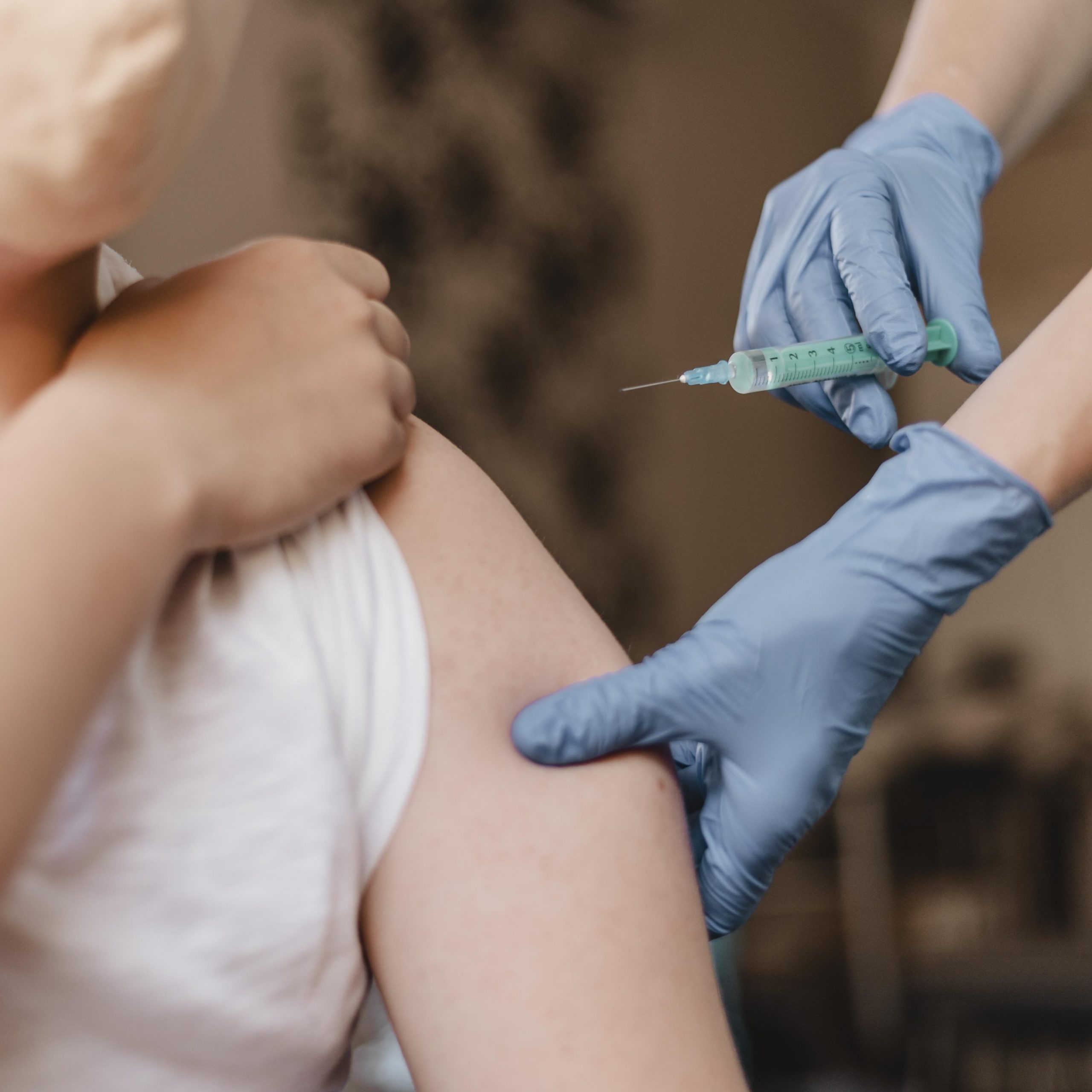
Image by Freepik

At the height of the pandemic, which personality types were most reluctant to COVID-19 vaccination? According to a recent study of more than 40,000 Canadians, extroverts.
“We expected that people who were especially high in extroversion would be more likely to get the vaccine,” said Melissa Baker, Ph.D., lead author and assistant professor at The University of Texas at El Paso. “We figured those people would want to get back out in the world and socialize, right? It’s actually the opposite.”
The UTEP and University of Toronto-based research team claims that the findings, which have been published in the journal Frontiers in Psychology, can support upcoming public health messages and immunization programs. In vaccine hesitancy research, a subject that has primarily concentrated on political affiliation, it also offers a distinctive viewpoint.
“We wanted to look at vaccine hesitancy a different way,” Baker said. “Of course, politics can help explain some of it, but there are personal differences between people, too—and that led us to this personality aspect.”
Over 40,000 Canadian individuals participated in surveys for the study, which was conducted between November 2020 and July 2021. Each participant’s personality was assessed online using questions based on the “Big Five” model, which rates a person’s openness, conscientiousness, extraversion, agreeableness, and emotional stability.
Further inquiries focused on the respondents’ attitudes on vaccination. One question, for example, asked, “When a COVID-19 vaccine becomes available, will you be vaccinated?” As the vaccine rollout began, questions were altered to reflect their availability.
The majority of the team’s theories were verified. For instance, those who were friendlier and more outgoing were more likely to receive Covid-19 vaccination.
“Those are the kind of people who are open to new things, new information and just like to go with the flow,” Baker said. “We also expected that for people with high conscientious because they are detail-oriented and big planners.”
On the other hand, people who are emotionally unstable or who have strong emotions were less likely to receive the vaccine. To their surprise, extroverts were 18% more likely to reject the shot.
Even though the pandemic is over, the scientists claimed that the results may still be useful for future public health messaging campaigns for immunization against other diseases as well as COVID-19.
Baker explained, “If we know you need to reach a certain type of personality, we can think about the message that will actually reach and persuade that person.”

 Gamma Oscillations Restored in Alzheimer’s Disease Mice
Key takeaways Researchers restored parvalbumin (PV).
 Coffee Consumption Linked to Lower Recurrent VTE Risk
Key points at a glance Study.
 Body Roundness Index Linked to Higher Heart Attack Risk
Key findings at a glance Study.
 Maternal Diet Fails to Reduce Infant Egg and Peanut Allergy
Key Points A large Australian randomized.
 Visual Impairment Linked to Higher Dementia Risk
Key findings at a glance A.
 Long-Acting HIV Treatment May Help Drug-Resistant Cases
Key Takeaways A UCSF study found.
 Night Shift Work Alters Key Circadian Gene Expression
A recent study published in Frontiers.
 Tirzepatide Weight Loss: Fat Mass and Muscle Findings
Key points Tirzepatide was associated with.
 Coffee and Gut Microbiome: Brewing and Metabolic Effects
Key Points Coffee contains caffeine, chlorogenic.
 Low-Dose Radiation Therapy Shows Promise in Early Knee OA
Key Points Low-dose radiation therapy was.
Leave a Comment