Image by Freepik

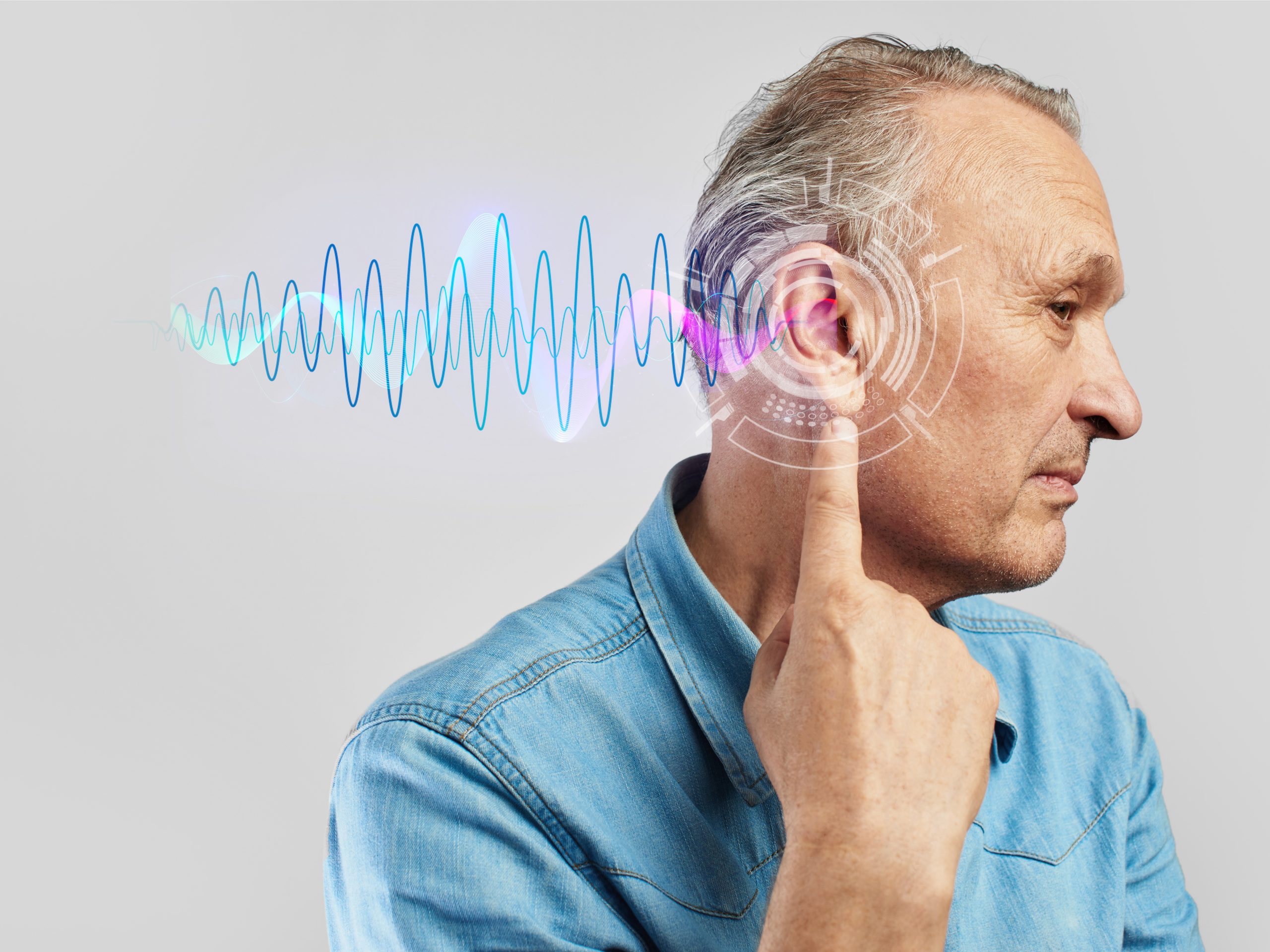
Tinnitus, or the ringing, buzzing, or hissing sound of silence, can be mildly irritating in some people and completely debilitating in others. Tinnitus affects up to 15% of individuals in the United States, with over 40% of those suffering from the illness on a long-term basis and actively seeking Tinnitus treatment.
A recent study from the University of Michigan’s Kresge Hearing Research Institute reveals that alleviation may be achievable.
Susan Shore, Ph.D., of Michigan Medicine’s Department of Otolaryngology and the University of Michigan’s Departments of Physiology and Biomedical Engineering, led research on how the brain processes bi-sensory information and how these processes can be harnessed for personalized stimulation to tinnitus treatment.
Her team’s findings were reported in JAMA Network Open.
The study, a double-blind, randomized clinical trial, enrolled 99 people with somatic tinnitus, a type of the disorder in which motions such as clenching the jaw or applying pressure to the forehead cause a perceptible shift in the pitch or loudness of experienced sounds. The somatic form is experienced by over 70% of tinnitus patients.
Candidates with painful, somatic tinnitus and normal-to-moderate hearing loss were qualified to enroll, according to Shore.
“After enrollment, participants received a portable device developed and manufactured by in2being, LLC, for in-home use,” she said. “The devices were programmed to present each participant’s personal tinnitus spectrum, which was combined with electrical stimulation to form a bi-sensory stimulus, while maintaining participant and study team blinding.”
Participants in the study were randomly allocated to one of two groups. The first group underwent bi-sensory (active) treatment initially, followed by sound-only (control) treatment.
Participants were instructed to use their gadgets for 30 minutes per day for the first six weeks. The following six weeks provided a break from daily use, followed by six weeks of the medication not received at the start of the trial.
Each week, participants completed the Tinnitus Functional Index, or TFI, and Tinnitus Handicap Inventory, or THI, which are questionnaires that assess the impact of tinnitus on people’s life. During this period, participants’ tinnitus loudness was also examined.
The researchers discovered that after receiving the bi-sensory treatment, subjects consistently reported enhanced quality of life, reduced handicap scores, and significant reductions in tinnitus loudness. These benefits, however, were not observed when merely auditory stimulation was used.
Furthermore, after six weeks of active therapy, but not control treatment, more than 60% of individuals reported considerably reduced tinnitus symptoms. This is similar with an earlier study by Shore’s group, which found that the longer patients got active therapy, the more their tinnitus symptoms improved.
This study paves the way for the use of personalized, bi-sensory stimulation as an effective tinnitus treatment, providing hope for millions of tinnitus sufferers,” said Shore.

 Brain-Computer Interface Uses EEG in Unresponsive Patients
Key findings at a glance Mind-controlled.
 Gamma Oscillations Restored in Alzheimer’s Disease Mice
Key takeaways Researchers restored parvalbumin (PV).
 Coffee Consumption Linked to Lower Recurrent VTE Risk
Key points at a glance Study.
 Body Roundness Index Linked to Higher Heart Attack Risk
Key findings at a glance Study.
 Maternal Diet Fails to Reduce Infant Egg and Peanut Allergy
Key Points A large Australian randomized.
 Visual Impairment Linked to Higher Dementia Risk
Key findings at a glance A.
 Long-Acting HIV Treatment May Help Drug-Resistant Cases
Key Takeaways A UCSF study found.
 Night Shift Work Alters Key Circadian Gene Expression
A recent study published in Frontiers.
 Tirzepatide Weight Loss: Fat Mass and Muscle Findings
Key points Tirzepatide was associated with.
 Coffee and Gut Microbiome: Brewing and Metabolic Effects
Key Points Coffee contains caffeine, chlorogenic.
Leave a Comment