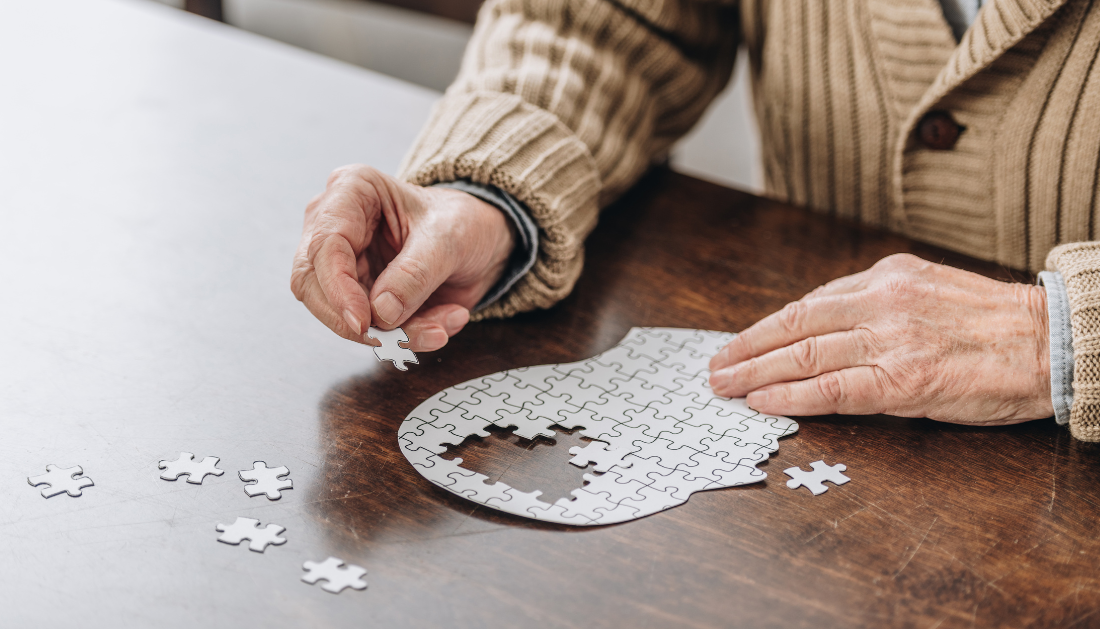
Traumatic Brain Injury in Elders Raises Dementia Risk

Traumatic brain injury (TBI) is one of the most pressing geriatric health challenges, often resulting from preventable falls. A new study published in the Canadian Medical Association Journal (CMAJ) reveals that TBI in older adults is strongly associated with dementia, increased home care dependency, and long-term care admission. With over one million Canadians aged 65 and above expected to experience TBI in their lifetime, the findings underscore a critical need for targeted fall prevention programs in aging populations.
Lead authors Dr. Yu Qing Huang and Dr. Jennifer Watt, both geriatricians at St. Michael’s Hospital, Unity Health, and affiliated with the University of Toronto, emphasize:
“By targeting fall-related TBIs, we can potentially reduce TBI-associated dementia in this population.”
A traumatic brain injury occurs when a sudden impact or jolt to the head causes brain dysfunction, often resulting in loss of consciousness, confusion, memory issues, or neurological symptoms like slurred speech and muscle weakness. In older adults, more than 50% of TBIs result from falls, making this an entirely modifiable risk factor with early intervention.
The researchers analyzed health records of over 260,000 adults aged 65 and older from 2004 to 2020. The outcomes were striking:
Women and individuals over 85 years old were particularly vulnerable, with one in three predicted to develop dementia post-TBI.
This study reveals more than just an association; it highlights an actionable path forward. Fall prevention strategies such as home safety assessments, balance training, physiotherapy, and medication review can drastically reduce TBI risk. Tailoring these programs toward female patients aged 75 and above, especially in low-income or low-diversity regions, can optimize public health outcomes.
Furthermore, clinicians and nurses play a vital role in educating families about early symptoms of cognitive decline post-injury and ensuring follow-up evaluations are part of long-term geriatric care plans.
TBI-associated dementia is not an inevitable consequence, it’s a preventable condition with strategic intervention. The study’s authors advocate for community-based dementia prevention initiatives to prioritize high-risk demographics and align healthcare resources more effectively.
As the population ages, preventing fall-related TBIs will be key to reducing cognitive impairment, improving quality of life, and lowering healthcare costs. This evidence reinforces that early prevention and multidisciplinary care coordination are central to safeguarding brain health in older adults.

 Night Shift Work Alters Key Circadian Gene Expression
A recent study published in Frontiers.
 Tirzepatide Weight Loss: Fat Mass and Muscle Findings
Key points Tirzepatide was associated with.
 Coffee and Gut Microbiome: Brewing and Metabolic Effects
Key Points Coffee contains caffeine, chlorogenic.
 Low-Dose Radiation Therapy Shows Promise in Early Knee OA
Key Points Low-dose radiation therapy was.
 Oral Hormone Replacement Therapy Raises Blood Clot Risk
Key Points Oral hormone replacement therapy.
 GLP-1 Health Information: Quality, Completeness, & Engagement
Key Points A study assessed 128.
 DNA Damage Response May Drive Biological Aging
Key Points Chronic DNA damage response.
 Maternal Diet Fails to Reduce Infant Egg and Peanut Allergy
Key Points A large Australian randomized.
 Psychedelic-Assisted Psychotherapy: Music in Treatment
Key Takeaways Psychedelic-assisted psychotherapy combines psychedelic.
 Cardiovascular Frailty Links Heart Health and Aging
Key Points Cardiovascular frailty may connect.
Leave a Comment