
Image by Racool_studio on Freepik

Researchers from Swansea University have discovered that a medication frequently used to treat type 2 diabetes may also be effective in treating autoimmune diseases.
Researchers at the University’s Faculty of Medicine, Health, and Life Sciences have discovered that the medication canagliflozin, also known as Invokana, may be used to treat autoimmune diseases like systemic lupus erythematosus and rheumatoid arthritis because it targets T-cells, a vital immune system component. Canagliflozin is a medication that lowers blood sugar levels in persons with type 2 diabetes, but researchers have discovered that it also has an unanticipated effect on the immune system.
Targeting T-cell metabolism in autoimmune disease has been shown to have therapeutic advantages. T-cells are a type of white blood cell that aids in the body’s defense against infections and sickness, but they have been seen to assault healthy tissues in autoimmune diseases.
Canagliflozin dampens T-cell activation, according to a recent study that was published in the journal Cell Metabolism. This finding raises the possibility that the medication could be used to treat T-cell-driven autoimmunity.
Dr. Nick Jones, senior author who led the study said, “Our findings are significant as they provide the foundation for the clinical development of canagliflozin for the treatment of certain autoimmune diseases. As the drug is already widely used and has a known safety profile in humans, it could potentially reach clinic quicker than any new drugs developed and bring valuable benefits more swiftly to patients with autoimmune disorders.”
Ben Jenkins, first author and postdoctoral researcher at Swansea said, “Identifying new roles for drugs that are currently being used in other disease settings is an exciting area of research. Given that our research primarily targets the metabolism of immune cells, we hope that the potential therapeutic benefits of our findings are applicable to a wide range of conditions.”
Canagliflozin may one day be tested in a clinical setting for the treatment of specific autoimmune diseases, according to the researchers.

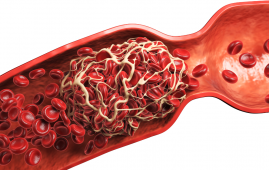 Coffee Consumption Linked to Lower Recurrent VTE Risk
Key points at a glance Study.
 Body Roundness Index Linked to Higher Heart Attack Risk
Key findings at a glance Study.
 Maternal Diet Fails to Reduce Infant Egg and Peanut Allergy
Key Points A large Australian randomized.
 Visual Impairment Linked to Higher Dementia Risk
Key findings at a glance A.
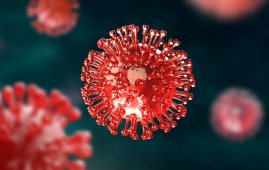 Long-Acting HIV Treatment May Help Drug-Resistant Cases
Key Takeaways A UCSF study found.
 Night Shift Work Alters Key Circadian Gene Expression
A recent study published in Frontiers.
 Tirzepatide Weight Loss: Fat Mass and Muscle Findings
Key points Tirzepatide was associated with.
 Coffee and Gut Microbiome: Brewing and Metabolic Effects
Key Points Coffee contains caffeine, chlorogenic.
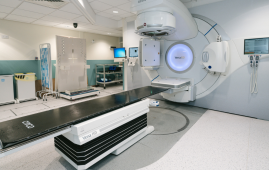 Low-Dose Radiation Therapy Shows Promise in Early Knee OA
Key Points Low-dose radiation therapy was.
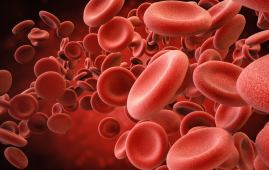 Oral Hormone Replacement Therapy Raises Blood Clot Risk
Key Points Oral hormone replacement therapy.
Leave a Comment