
Hip Replacement Outcomes Linked to Gait Speed

A growing body of research indicates that recovery after hip replacement varies significantly among patients, prompting clinicians to seek reliable indicators to inform surgical timing. Now, a study from Kyushu University highlights one of the simplest and strongest predictors of long-term outcomes: preoperative walking speed.
Published in The Journal of Bone and Joint Surgery, the study evaluated 274 patients who underwent total hip arthroplasty for hip osteoarthritis. Each patient completed a 10-meter walk test before surgery and later provided long-term feedback using the Oxford Hip Score and Forgotten Joint Score-12.
Patients who walked at a speed of≥1.0 m/s before surgery were consistently more likely to meet the Patient Acceptable Symptom State thresholds, indicating less pain, improved hip function, and enhanced joint awareness, even 5–10 years postoperatively.
When analyzed alongside age, BMI, muscle strength, symptom duration, radiographic severity, and pain levels, gait speed emerged as the only factor significantly associated with high satisfaction across all assessments.
To refine prediction accuracy, researchers applied machine-learning clustering to categorize patients into excellent, moderate, and poor outcome groups. Across all clusters, walking speed remained the most powerful indicator, with 1.0 m/s marking the threshold that separated excellent recovery from other trajectories.
For orthopedic surgeons, physiatrists, and rehabilitation specialists, these findings provide clear clinical value. Gait speed is quick, inexpensive, and easy to integrate into routine preoperative assessments. The study suggests that:
This research reinforces gait speed as a meaningful functional biomarker. Incorporating walking tests into preoperative workflows could improve patient counseling, optimize surgical timing, and set realistic expectations for recovery.
As hip osteoarthritis continues to affect millions globally, clinically actionable predictors like gait speed can support better long-term outcomes.

 TRPM8 Cold Sensation Mechanism Explained for Pain Care
Quick Summary TRPM8 ion channel converts.
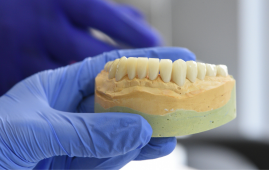 Gum Recession from Snus Confirmed, Caries Risk Debated
Key Highlights Snus use is strongly.
 Hypertensive Disorders of Pregnancy: Role of Daily Activity
Key Points Summary Limiting sedentary time.
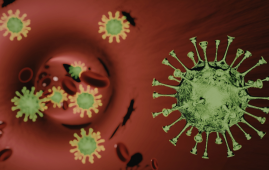 Climate Change Drives Dengue Outbreaks Globally
Key Takeaways Extreme weather significantly increases.
 Teen Driving Risks: Parents Underestimate Safety Threats
Key Takeaways Teen driving risks remain.
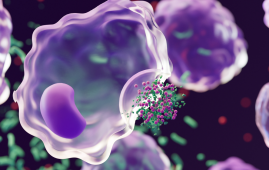 PFK Enzyme Dual Role in Metabolism and Cell Cycle
Key Highlights Phosphofructokinase (PFK Enzyme) shows.
 Exercise During Chemotherapy Supports Brain Health
Key Points Summary A nationwide clinical.
 Invasive Cosmetic Procedures Raise Patient Safety Concerns
Key Summary Experts publishing in The.
 Food Tolerance Mechanism: How T Cells Prevent Allergies
Key Summary Researchers at Stanford University.
 Oligometastatic Pancreatic Cancer: New Global Consensus
Key Points Summary An international expert.
Leave a Comment