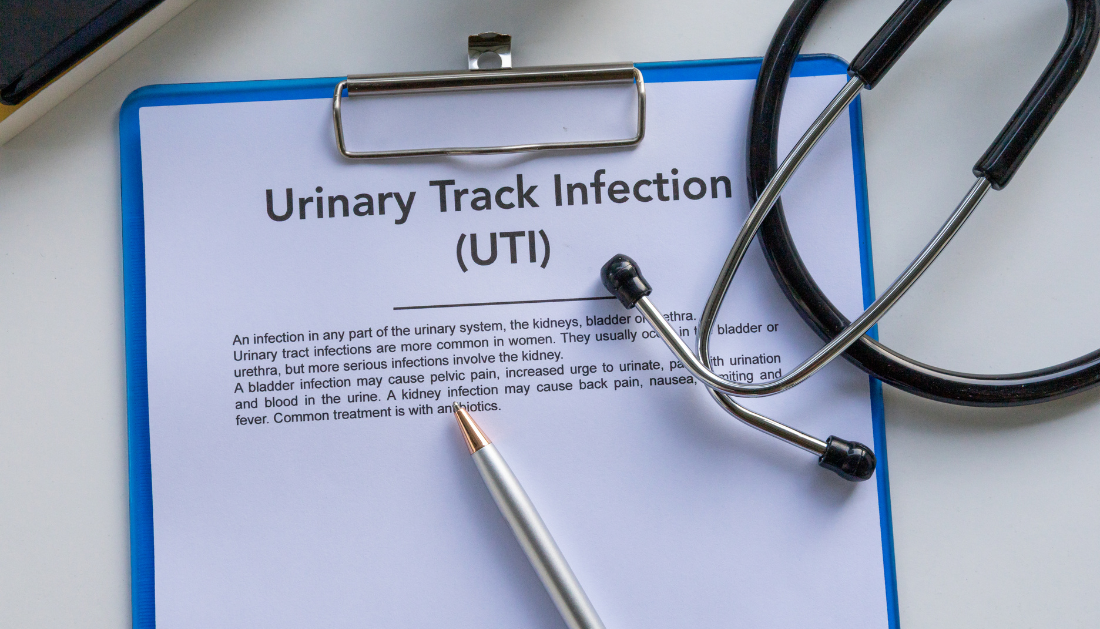
International Study Reveals UTI Awareness Gaps

A recent international study has uncovered alarming gaps in public knowledge regarding UTIs (Urinary Tract Infections) and cystitis, conditions that predominantly affect women. The research highlights widespread misconceptions about prevention, symptoms, and treatment, emphasizing the urgent need for education to address rising antibiotic resistance and improve patient care.
The survey, conducted among over 3,000 adults across France, Germany, Italy, Spain, and the UK, found that 35% of participants could not correctly define cystitis as a bladder infection, with some confusing it with skin conditions or food allergies. Among adults aged 18–24, fewer than half (45%) could correctly identify cystitis.
Awareness of urinary tract infections’ gender prevalence was limited. Only 51% recognized that women are more susceptible, while nearly 1 in 5 men incorrectly believed men are at higher risk. Women themselves had better awareness, with 63% correctly acknowledging their vulnerability compared to 38% of men. This knowledge gap underscores the need for targeted educational interventions in public health campaigns.
Alarmingly, 17% incorrectly believed that taking antibiotics without medical advice could prevent urinary tract infections. Only 21% of participants could identify all three preventive measures, and one in six could not name a single correct strategy. Experts warn that sexually active young women are particularly vulnerable due to anatomical factors and misconceptions about contraceptives and condom use.
Misuse of antibiotics adds another challenge in managing UTIs (urinary tract infections). Sixteen percent of respondents incorrectly assumed antibiotics are always necessary, contributing to growing antibiotic resistance. Nearly half underestimated or were unaware of the difficulty in treating infections due to resistant bacteria.
Prof. Gernot Bonkat, chair of the EAU Infections Guidelines Panel, emphasized:
The study highlights the essential role of HCPs and nurses in patient education, especially for young adults and men, to improve understanding of urinary tract infections, promote preventive habits, and reduce inappropriate antibiotic use. Addressing these knowledge gaps can help limit recurrence, prevent complications, and combat resistance effectively.

 Smoking and Loneliness Linked in Large European Study
Key points: A Europe-wide study of.
 Women’s Healthcare Advances Through FemTech
Key Summary FemTech has grown from.
 Mazdutide Shows Significant Weight Loss in Phase 3 Trial
Key Summary Mazdutide, a dual GLP-1.
 Ozone Pollution Reduces Exercise Benefits in Children
Key Summary Vigorous physical activity supports.
 Walking 8,500 Steps May Prevent Weight Regain
Key Points A new meta-analysis presented.
 Hantavirus Cruise Ship Outbreak: WHO Issues Update
Key Points WHO confirmed a cluster.
 Autoimmune Diseases in Women Linked to Gene Regulation
Key Points Researchers identified more than.
 Nutrition Research: Why Context Matters for Healthy Foods
Quick Summary Foods do not have.
 Hyperemesis Gravidarum Genes: Largest GWAS Study
Quick Summary Largest GWAS identifies 10.
 GLP-1 Drug Effectiveness Reduced by Genetic Variants
Key Points Summary Genetic variants in.
Leave a Comment