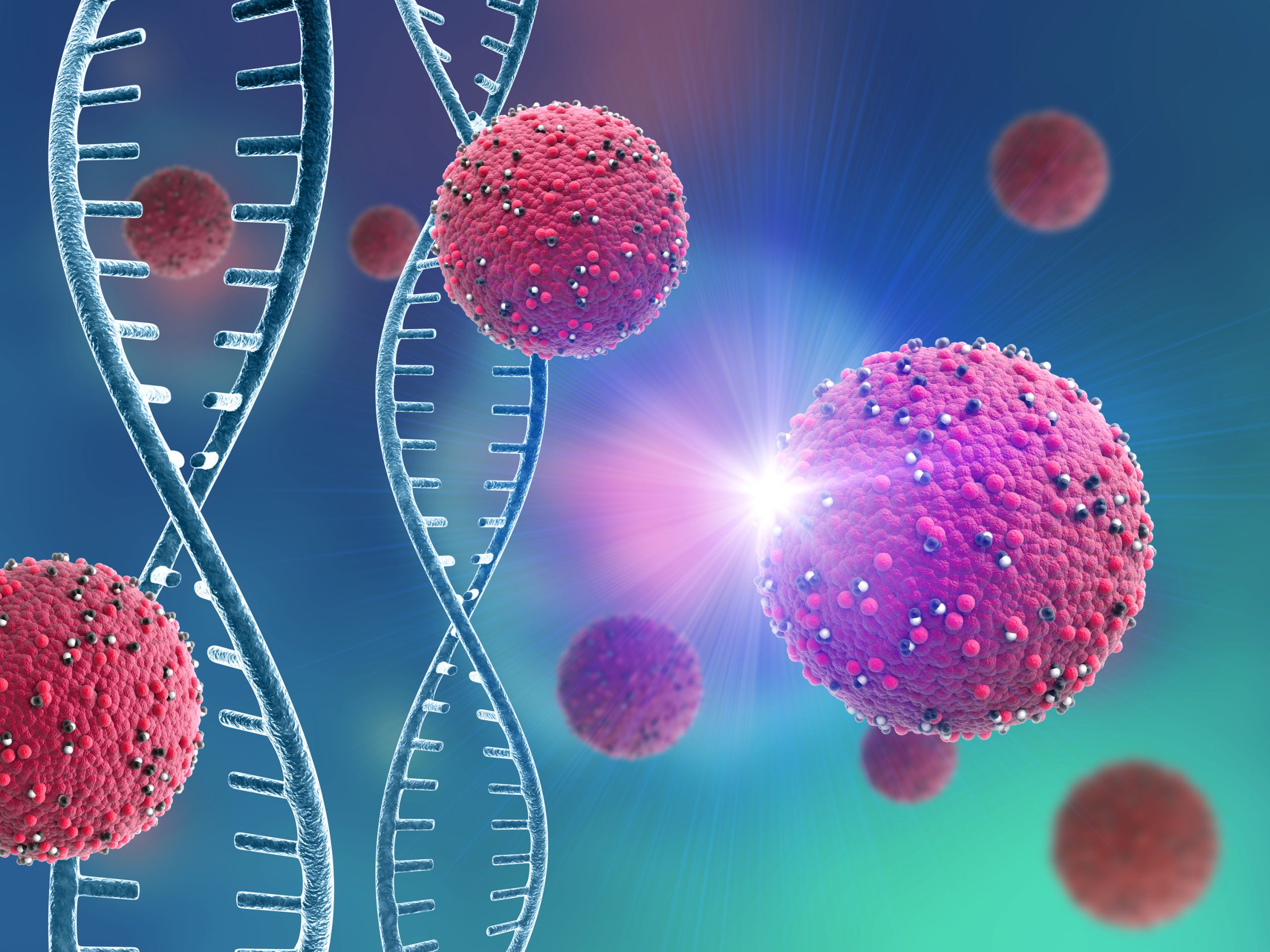
Image by kjpargeter on Freepik

Programmed cell death, a key biological mechanism that promotes the elimination of old, damaged, infected, and non-functional cells, is critical in maintaining the human body’s balance of health and disease. Dr. Alessandro Annibaldi’s team at the University of Cologne’s Center for Molecular Medicine Cologne (CMMC) discovered a novel mechanism of cell death regulation, providing light on its importance during circumstances such as SARS-CoV infection and skin injury.
The work “Cleavage of cFLIP restrains cell damage during viral infection and tissue injury and favors tissue repair” has recently been published in Science Advances.
Tissue repair and cell death
The human body relies on cell damage to sustain normal activities because it permits damaged cells to be removed and makes space for the formation of new ones. An imbalance in cell death, on the other hand, might have negative consequences such as excessive inflammation and organ failure.
Understanding the complex molecular pathways that govern cell damage is critical for determining its function in diverse illnesses and developing tailored therapy methods for individuals suffering from such conditions.
cFLIP cleavage as a new cell death inhibitor
Annibaldi and his colleagues achieved a significant breakthrough in this field by discovering a new method of cell death regulation involving a molecule known as cFLIP. This protein protects cells from damage by blocking Caspase-8, a crucial cell damage-promoting enzyme. Furthermore, Caspase-8 enzymatic activity targets cFLIP, which is cleaved at amino acid 377 (D377).
The Annibaldi group was the first to explore in mice how cFLIP actually governs cell damage in a living creature under stress using cutting-edge cell and molecular biology tools. They found that cFLIP cleavage at D377 is a critical molecular mechanism in limiting the degree of cell death after a viral infection, notably SARS-CoV, and skin injury.
When cFLIP cannot be cleaved, a large protein complex is stabilized, gaining greater killing activity and posing a risk to the organism. The importance of this cleavage event had been unknown until this finding.
“Our study proposes a model where cell death programs are activated during viral attacks or injuries, but their extent must be carefully controlled to avoid detrimental effects. The cleavage of cFLIP at D377 emerges as one of the key limiting mechanisms that ensure only the necessary number of cells die and promote the restoration of healthy conditions,” said Dr. Kristel Lagunas, first author of the study.

 Low-Dose Radiation Therapy Shows Promise in Early Knee OA
Key Points Low-dose radiation therapy was.
 Oral Hormone Replacement Therapy Raises Blood Clot Risk
Key Points Oral hormone replacement therapy.
 GLP-1 Health Information: Quality, Completeness, & Engagement
Key Points A study assessed 128.
 DNA Damage Response May Drive Biological Aging
Key Points Chronic DNA damage response.
 Maternal Diet Fails to Reduce Infant Egg and Peanut Allergy
Key Points A large Australian randomized.
 Psychedelic-Assisted Psychotherapy: Music in Treatment
Key Takeaways Psychedelic-assisted psychotherapy combines psychedelic.
 Cardiovascular Frailty Links Heart Health and Aging
Key Points Cardiovascular frailty may connect.
 Laser Blended Vision: Simple Test Predicts Success
Key Points A simple phoropter-based test.
 Pink Noise Boosts Brain Waste Clearance During Sleep
Key Points Pink noise delivered during.
 Psilocybin Microdosing Research Raises Key Questions
Key points: Psilocybin microdosing research shows.
Leave a Comment