
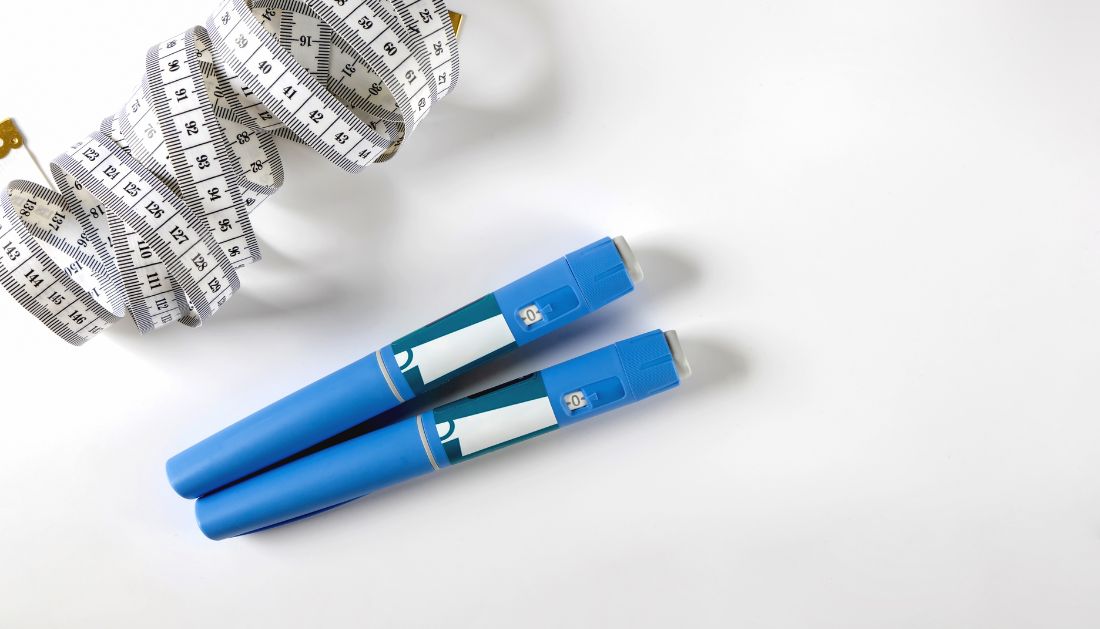
The rising obesity epidemic has fueled demand for effective weight loss treatments. While GLP-1 receptor agonists like Ozempic have gained popularity, their side effects and high costs limit accessibility. Now, researchers have identified a promising natural alternative—the BRP peptide for weight loss.
Discovery of BRP: A Non-Incretin Peptide
Scientists at Stanford University used computational tools to identify BRP (BRINP2-related peptide), a newly discovered appetite-regulating hormone. Unlike GLP-1 receptor agonists, BRP does not target the GLP-1 pathway. Instead, it influences hypothalamic activation and enhances fat metabolism, offering a novel approach to weight management.
How BRP Peptide for Weight Loss Works
BRP functions through multiple mechanisms that set it apart from traditional weight loss drugs:
- Suppresses appetite via the hypothalamus: BRP triggers FOS gene expression, influencing hunger and satiety.
- Boosts fat oxidation: Unlike incretin-based therapies, BRP enhances lipid metabolism, promoting higher energy expenditure.
- No gastrointestinal side effects: Unlike Ozempic, BRP does not cause nausea, vomiting, or aversion, improving patient adherence.
- Increases thermogenesis: BRP activates brown adipose tissue, enhancing fat-burning capacity.
How BRP Compares to Ozempic
| Feature | BRP | Ozempic (Semaglutide) |
|---|---|---|
| Mechanism | Hypothalamic activation, fat oxidation | GLP-1 receptor activation |
| Weight Loss | Significant in preclinical studies | 12% in clinical trials |
| Side Effects | No nausea, no muscle loss | Nausea, vomiting, muscle loss |
| Glycemic Impact | Unclear, needs research | Improves insulin secretion |
| Adherence | Higher potential due to tolerability | Lower due to side effects |
Future of BRP Peptide for Weight Loss
While preclinical studies show promising results, clinical trials are essential to validate BRP’s long-term efficacy and safety. Researchers aim to assess its impact on metabolic health, cardiovascular function, and glucose regulation. If successful, BRP peptide for weight loss could emerge as a revolutionary obesity treatment, providing a safer, natural alternative to GLP-1 receptor agonists.
Is BRP the Future of Obesity Treatment?
The discovery of BRP peptide marks a promising advancement in obesity management. Unlike GLP-1 receptor agonists such as Ozempic, BRP targets appetite regulation and fat metabolism without causing nausea or muscle loss. Its unique mechanism suggests higher patient adherence and a potentially safer weight loss solution.
However, while BRP shows strong preclinical results, human clinical trials are essential to confirm its efficacy, metabolic impact, and long-term safety. If validated, it could become a game-changing, naturally derived alternative to existing weight loss drugs.
For more information: Coassolo, L., B. Danneskiold-Samsøe, N., Nguyen, Q. et al. Prohormone cleavage prediction uncovers a non-incretin anti-obesity peptide. Nature (2025). https://doi.org/10.1038/s41586-025-08683-y

more recommended stories
 Pink Noise Boosts Brain Waste Clearance During Sleep
Key Points Pink noise delivered during.
 Psilocybin Microdosing Research Raises Key Questions
Key points: Psilocybin microdosing research shows.
 Maternal Illness Linked to Epigenetic Fetal Brain Changes
Maternal illness during pregnancy may influence.
 Rett Syndrome: Carotid Body Linked to Breathing Dysfunction
Key Points Rett syndrome is associated.
 SGLT2 Inhibitors Boost Cardiac Energy Through PANK1
Key Points SGLT2 inhibitors directly activate.
 Daraxonrasib Approved for Metastatic Pancreatic Cancer
Key Points FDA approved daraxonrasib (RASONQUE).
 Nicotine E-Cigarettes Help More Smokers Quit Than NRT
Key Points Nicotine e-cigarettes helped more.
 AI Identifies Key Gene Driving Hematopoietic Stem Cell Aging
Key Points AI analysis identified Pbx1.
 Alzheimer’s Disease Blood Test Receives FDA Clearance
Key Points FDA clears PrecivityAD2, a.
 Intravenous Iron Improves Recovery After Heart Surgery
Key points A large multicenter randomized.
Leave a Comment