
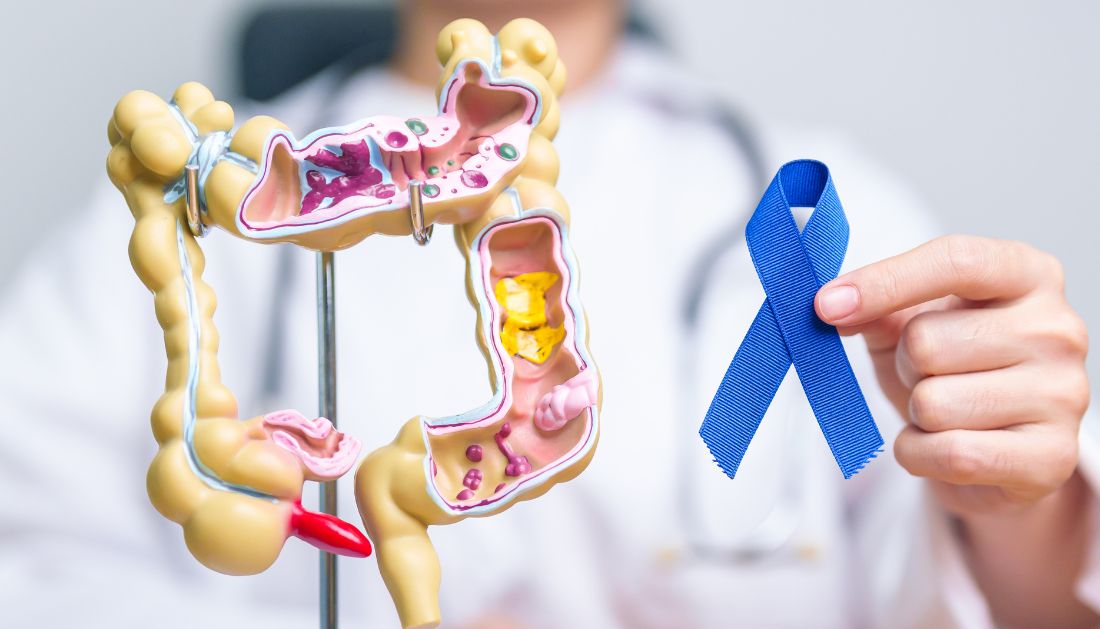
Natural disasters like Hurricanes Irma and Maria, along with the COVID-19 pandemic, significantly disrupted access to colorectal cancer (CRC) screening and diagnosis in Puerto Rico. A new study published in CANCER, a peer-reviewed journal of the American Cancer Society, highlights how these events contributed to a sharp drop in CRC diagnoses — followed by an eventual spike in late-stage cases.
Impact of Limited Health Care Access on Colorectal Cancer Diagnoses
The research, conducted using data from the Puerto Rico Central Cancer Registry (2012–2021), shows that healthcare infrastructure damage, staff shortages, and reduced patient access during disasters caused major interruptions in colorectal cancer diagnoses.
In the month Hurricanes Irma and Maria struck, only 82 CRC cases were diagnosed, compared to the expected 161.4 cases. A similar pattern was seen during the COVID-19 lockdown in April 2020, with only 50 diagnosed cases, far below the expected 162.5.
These findings further underscore why cancer survivors urgently need funded rehabilitation care, especially in regions vulnerable to natural disasters or systemic health disruptions. Strengthening long-term survivorship services is essential for recovery and quality of life.
Late-Stage Colorectal Cancer Cases on the Rise
By the end of the study, early-stage CRC diagnoses and cases among adults aged 50–75 (the recommended screening group) remained below expected levels. However, late-stage CRC diagnoses and cases in adults <50 and ≥76 years rose above projections.
These trends suggest that limited access to timely cancer screening during disasters led to delayed detection, increasing the risk of worse health outcomes and reduced survival rates.
Experts Urge Strengthening Health Systems for Future Resilience
“These findings emphasize the critical importance of maintaining access to essential health services even during crises,” said Tonatiuh Suárez-Ramos, MS, co–lead author of the study.
Co-lead author Yisel Pagán-Santana, DrPH, added, “Understanding these disruptions is key to developing resilient and adaptable strategies for future disasters.”
Dr. Karen J. Ortiz-Ortiz, DrPH, the study’s senior author, called for urgent policy actions: “Strengthening cancer care infrastructure and coordination in disaster-prone areas like Puerto Rico is essential to minimize health disparities and ensure continuity of care during emergencies.”
For more information: Suárez-Ramos, T., et al. (2025) Evaluating the impact of hurricanes and the COVID-19 pandemic on colorectal cancer incidence in Puerto Rico: An interrupted time-series analysis. Cancer. doi.org/10.1002/cncr.35793.

more recommended stories
 Smoking and Loneliness Linked in Large European Study
Key points: A Europe-wide study of.
 Women’s Healthcare Advances Through FemTech
Key Summary FemTech has grown from.
 Mazdutide Shows Significant Weight Loss in Phase 3 Trial
Key Summary Mazdutide, a dual GLP-1.
 Ozone Pollution Reduces Exercise Benefits in Children
Key Summary Vigorous physical activity supports.
 Walking 8,500 Steps May Prevent Weight Regain
Key Points A new meta-analysis presented.
 Hantavirus Cruise Ship Outbreak: WHO Issues Update
Key Points WHO confirmed a cluster.
 Autoimmune Diseases in Women Linked to Gene Regulation
Key Points Researchers identified more than.
 Nutrition Research: Why Context Matters for Healthy Foods
Quick Summary Foods do not have.
 Hyperemesis Gravidarum Genes: Largest GWAS Study
Quick Summary Largest GWAS identifies 10.
 GLP-1 Drug Effectiveness Reduced by Genetic Variants
Key Points Summary Genetic variants in.
Leave a Comment