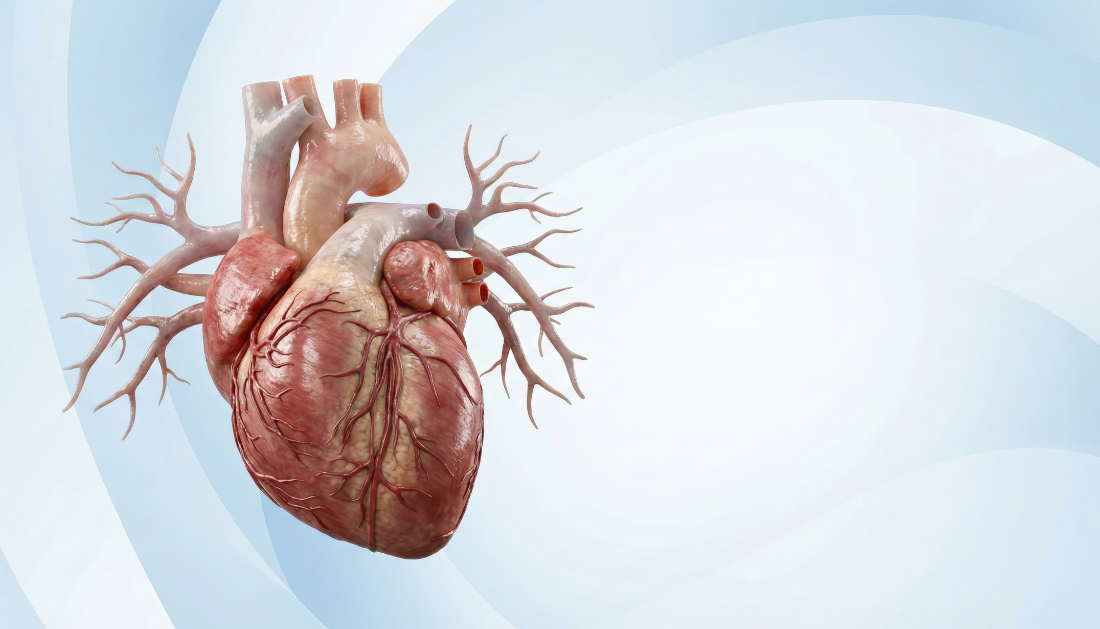
Inflammation and Immune Dysfunction in Heart Failure

Heart failure remains one of the most challenging cardiovascular conditions, affecting over 6.7 million adults in the United States, with nearly half of patients dying within five years of diagnosis. Despite decades of clinical use, current pharmacologic therapies largely manage symptoms rather than halting disease progression.
Researchers from Penn State College of Medicine now suggest that the missing piece may lie within the body’s own immune system. Their findings indicate that immune system dysfunction, particularly involving CD4+ helper T cells, plays a critical role in driving progressive heart failure following a heart attack.
Published in the Journal of Molecular and Cellular Cardiology, the study provides the first direct evidence in human heart tissue that immune cells become chronically overactivated, contributing to declining cardiac function.
Under normal conditions, helper T cells coordinate immune responses that support tissue repair and infection control. Immediately after a heart attack, these cells appear to be protective. However, the Penn State team found that in chronic heart failure, helper T cells behave differently.
Using advanced single-cell molecular profiling of healthy and failing human heart tissue, researchers observed:
Instead of aiding recovery, these activated immune cells appear to promote inflammation and myocardial damage, worsening heart failure.
A particularly notable finding was the enhanced estrogen-related signaling pathway within CD4+ T cells in failing hearts. Prior studies have associated this signaling with fibrosis, inflammation, and reduced cardiac output.
This discovery supports a broader hypothesis: heart failure may carry autoimmune-like features, a concept not traditionally emphasized in cardiology. According to the researchers, prolonged immune activation may lead the body to attack injured heart tissue, mistakenly accelerating functional decline.
For clinicians and researchers, these findings identify new therapeutic targets, specifically immune modulation strategies targeting dysfunctional T-cell responses, potentially shifting future heart failure management beyond conventional neurohormonal pathways.

 Psilocybin Microdosing Research Raises Key Questions
Key points: Psilocybin microdosing research shows.
 Maternal Illness Linked to Epigenetic Fetal Brain Changes
Maternal illness during pregnancy may influence.
 SGLT2 Inhibitors Boost Cardiac Energy Through PANK1
Key Points SGLT2 inhibitors directly activate.
 Daraxonrasib Approved for Metastatic Pancreatic Cancer
Key Points FDA approved daraxonrasib (RASONQUE).
 Nicotine E-Cigarettes Help More Smokers Quit Than NRT
Key Points Nicotine e-cigarettes helped more.
 AI Identifies Key Gene Driving Hematopoietic Stem Cell Aging
Key Points AI analysis identified Pbx1.
 Intravenous Iron Improves Recovery After Heart Surgery
Key points A large multicenter randomized.
 Childhood Epilepsy Linked to Lower Educational Achievement
Key Takeaways Childhood epilepsy was associated.
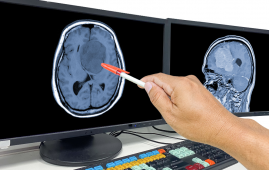 Laser Treatment for Glioblastoma Shows Survival Benefit
Key Points A multicenter analysis of.
 Malaria Vaccination Turns Mosquito Bites Into Immune Boosters
Key takeaways: WEHI researchers developed a.
Leave a Comment