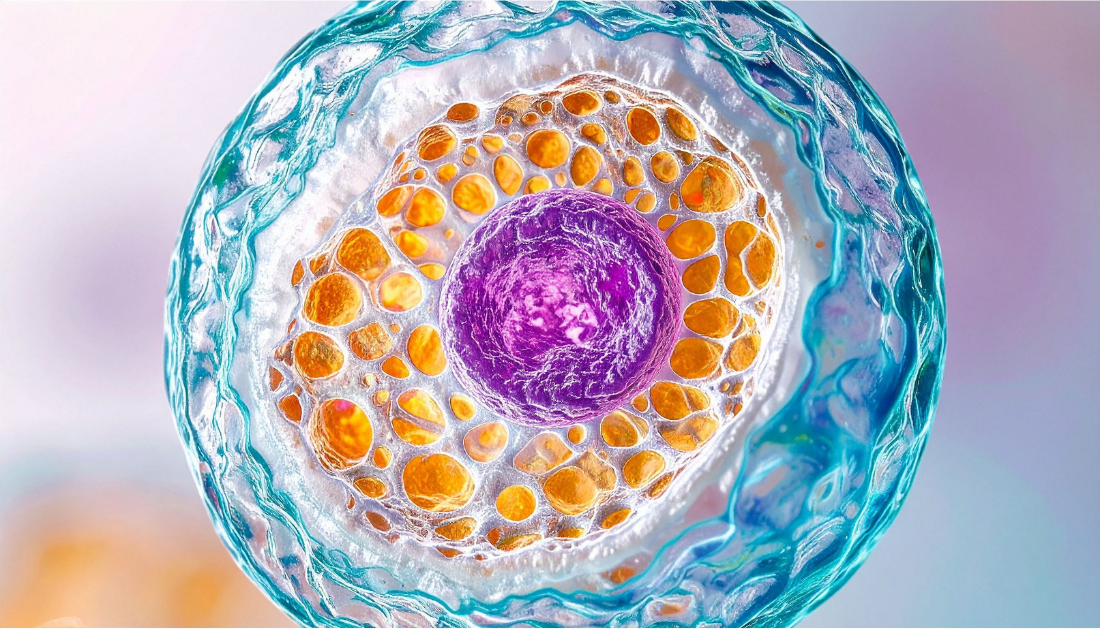
Stem Cell Therapies for Parkinson’s Disease Course by ISSCR

Stem cell therapies for Parkinson’s disease are drawing growing attention in both neurology and regenerative medicine. To help clinicians better understand the scientific evidence behind these therapies, the International Society for Stem Cell Research has introduced a new continuing education program titled “Stem Cell Medicine: Parkinson’s Disease.”
The course, jointly provided with Harvard Medical School, gives healthcare professionals an evidence-based overview of how stem cell research is progressing toward clinical application for Parkinson’s disease.
Developed primarily for neurologists, nurses, researchers, and other healthcare professionals, the program examines emerging regenerative treatment strategies and highlights ongoing clinical trials exploring dopamine neuron replacement.
It aims to help clinicians understand how laboratory research is translating into potential therapeutic approaches for Parkinson’s disease.
Interest in experimental therapies among people living with Parkinson’s disease continues to rise. As a result, clinicians are increasingly asked about the safety, effectiveness, and availability of stem cell–based treatments.
This new course addresses these concerns by presenting key scientific and clinical concepts in a structured format. Topics covered include:
According to Jaime Imitola, the program helps clinicians evaluate emerging research while providing patients with clear, science-based guidance.
It also supports healthcare professionals in distinguishing validated clinical research from unproven stem cell interventions, which remain a challenge within regenerative medicine.
The course features insights from leading clinicians and researchers working in regenerative neurology. Faculty contributors include:
The program also includes a patient perspective from Andrew Cassy, who shares his experience of receiving a stem cell-derived neuron transplant as part of ongoing research.
ISSCR Chief Executive Officer Keith Alm noted that the initiative reflects the organization’s commitment to ensuring physicians have access to reliable, science-based education as stem cell therapies move closer to real-world clinical use.
The continuing education course is open to clinicians, nurses, researchers, patients, and patient advocates interested in regenerative medicine.
Key details:
The program was developed by the ISSCR Education Committee and supported by educational grants from Bayer AG, BlueRock Therapeutics, and Novo Nordisk.
By offering clinically focused education, the course helps healthcare professionals better understand the scientific progress and clinical realities of stem cell therapies for Parkinson’s disease, supporting informed patient care decisions in a rapidly developing field.

 Pink Noise Boosts Brain Waste Clearance During Sleep
Key Points Pink noise delivered during.
 Maternal Illness Linked to Epigenetic Fetal Brain Changes
Maternal illness during pregnancy may influence.
 Rett Syndrome: Carotid Body Linked to Breathing Dysfunction
Key Points Rett syndrome is associated.
 Alzheimer’s Disease Blood Test Receives FDA Clearance
Key Points FDA clears PrecivityAD2, a.
 Childhood Epilepsy Linked to Lower Educational Achievement
Key Takeaways Childhood epilepsy was associated.
 Laser Treatment for Glioblastoma Shows Survival Benefit
Key Points A multicenter analysis of.
 Early-Life Stress Linked to Lasting Brain Epigenetic Changes
Key Points Early-life stress (ELS) increased.
 Pediatric Cancer Clinical Trial Participation: Key Barriers
Key Takeaways Black and Hispanic families.
 Tobacco Risk Awareness Stagnates Despite Global Efforts
Key Summary A global analysis of.
 Rapid-Acting Antidepressants Share Neuroimmune Pathways
Key Points Researchers identified common neuroimmune.
Leave a Comment