Blood Pressure Control Guidelines: How Low Should You Go?

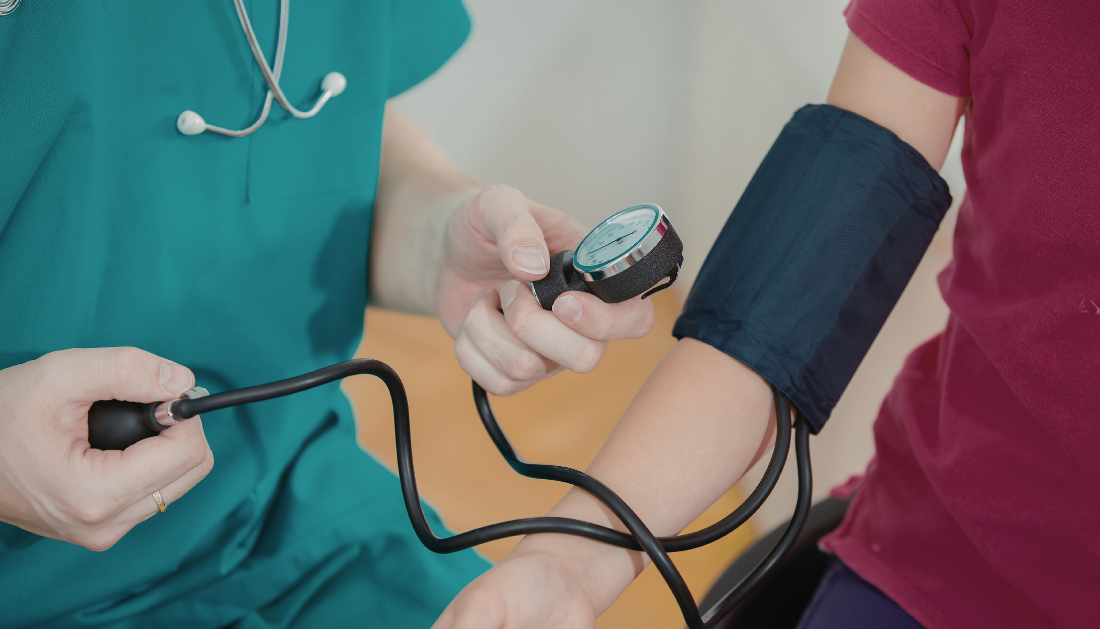
A 78-year-old patient treated by geriatrician Mark Supiano highlights a growing clinical dilemma. Despite antihypertensive therapy, her BP remained elevated at 148/86 mmHg. Lifestyle factors, including NSAID use, sodium intake, alcohol consumption, and inactivity, contributed to poor control.
Even after improvements brought her systolic BP to 130–140 mmHg, newer guidelines from the American Heart Association and American College of Cardiology reclassified this range as hypertension.
This shift reflects a broader clinical question: How aggressively should clinicians lower blood pressure, particularly in older adults?
The landmark SPRINT trial reshaped hypertension management. It demonstrated that targeting <120 mmHg systolic significantly reduced:
More recent studies extend these findings, showing potential cognitive benefits. Lower BP levels may delay progression of cognitive decline, reinforcing the principle: cardiovascular health supports brain health.
However, risks remain. Overcorrection can lead to Hypotension, increasing the risk of dizziness, syncope, and falls, particularly in older adults.
Updated guidelines now recommend:
Importantly, evidence indicates that even adults aged>75 years benefit from tighter control without increased fall risk compared with standard therapy.
Yet, not all experts fully align. Some clinicians advocate a more individualized approach, particularly for frail patients, those with comorbidities, or limited life expectancy.
Time-to-benefit is also critical. Data suggest that preventing one stroke may take nearly 1.7 years of intensive treatment in 200 patients, highlighting the need for personalized risk assessment.
As hypertension remains largely asymptomatic yet undertreated, these evolving guidelines call for more proactive, but cautious management.

 Cardiovascular Frailty Links Heart Health and Aging
Key Points Cardiovascular frailty may connect.
 SGLT2 Inhibitors Boost Cardiac Energy Through PANK1
Key Points SGLT2 inhibitors directly activate.
 Nicotine E-Cigarettes Help More Smokers Quit Than NRT
Key Points Nicotine e-cigarettes helped more.
 Intravenous Iron Improves Recovery After Heart Surgery
Key points A large multicenter randomized.
 Inhaled Cannabis Linked to Fewer Premature Heartbeats
Key Points Habitual cannabis users had.
 Tobacco Risk Awareness Stagnates Despite Global Efforts
Key Summary A global analysis of.
 Intrinsic Cardiac Nervous System Supports Cardiac Stability
Key Points Researchers identified two distinct.
 Moderate Coffee Intake Associated With Lower CVD Risk
Key Summary Moderate coffee intake (3–5.
 Calcific Aortic Valve Stenosis Linked to Gum Disease Bacteria
Key Points Researchers identified a potential.
 Gut-Friendly Diet Linked to Lower CHD Mortality Risk
Key Summary A higher Dietary Index.
Leave a Comment