
Transcatheter Valve-in-Valve Beats Redo Surgery

A transcatheter valve-in-valve procedure is demonstrating promising short-term outcomes for patients with mitral valve disease who require repeat intervention. Presented at the American College of Cardiology Annual Scientific Session ACC.26, the SURVIV trial highlights a potential shift in managing high-risk patients with failing bioprosthetic valves.
The primary keyword: transcatheter valve-in-valve procedure stands central to this advancement, offering a less invasive alternative to redo mitral valve replacement surgery.
In this randomized trial of 150 patients, outcomes after transcatheter mitral valve-in-valve (mVIV) were compared with those after traditional redo mitral valve replacement (rMVR). At one year, the composite endpoint of death or disabling stroke occurred in just 5.3% of mVIV patients, compared to 20.8% in the surgical group.
Improved early postoperative outcomes largely drove this benefit. Notably:
These findings are particularly relevant in patients with secondary keywords: bioprosthetic mitral valve dysfunction and redo mitral valve replacement, where surgical risks are significantly higher.
Mitral valve disease remains a major contributor to heart failure, pulmonary hypertension, and stroke risk. While bioprosthetic valves are widely used to avoid long-term anticoagulation, their limited durability often necessitates repeat procedures.
Patients requiring redo surgery are typically older or present with comorbidities such as atrial fibrillation, increasing procedural risk. The valve-in-valve approach offers:
The trial cohort, largely influenced by rheumatic heart disease, reflects real-world populations in middle-income settings, highlighting the global relevance of this approach.
While the short-term benefits are compelling, clinicians should interpret results with caution due to the study’s size and regional scope. Long-term follow-up (up to 10 years) will be critical to assess valve durability and sustained clinical outcomes.
For now, the transcatheter valve-in-valve procedure represents a viable option for selected high-risk patients, reinforcing the need for individualized, multidisciplinary decision-making in structural heart disease care.

 Night Shift Work Alters Key Circadian Gene Expression
A recent study published in Frontiers.
 Tirzepatide Weight Loss: Fat Mass and Muscle Findings
Key points Tirzepatide was associated with.
 Coffee and Gut Microbiome: Brewing and Metabolic Effects
Key Points Coffee contains caffeine, chlorogenic.
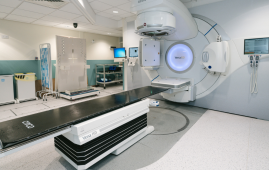 Low-Dose Radiation Therapy Shows Promise in Early Knee OA
Key Points Low-dose radiation therapy was.
 Oral Hormone Replacement Therapy Raises Blood Clot Risk
Key Points Oral hormone replacement therapy.
 GLP-1 Health Information: Quality, Completeness, & Engagement
Key Points A study assessed 128.
 DNA Damage Response May Drive Biological Aging
Key Points Chronic DNA damage response.
 Maternal Diet Fails to Reduce Infant Egg and Peanut Allergy
Key Points A large Australian randomized.
 Psychedelic-Assisted Psychotherapy: Music in Treatment
Key Takeaways Psychedelic-assisted psychotherapy combines psychedelic.
 Cardiovascular Frailty Links Heart Health and Aging
Key Points Cardiovascular frailty may connect.
Leave a Comment