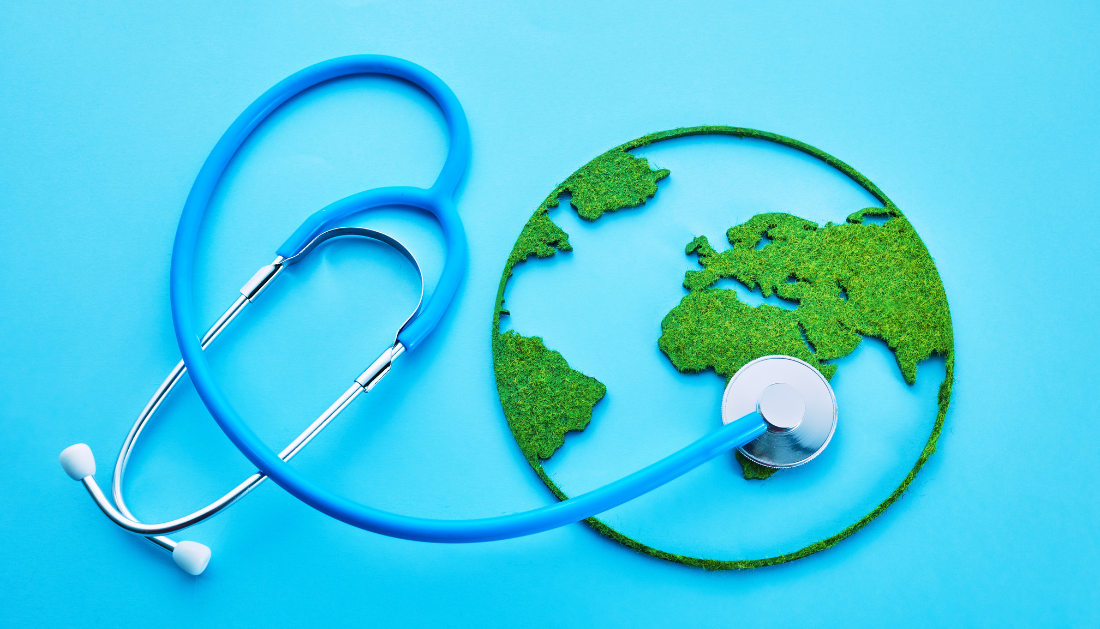
One Health Summit: Global Action Strengthens Response to Health Threats

The One Health Summit has brought renewed attention to global health security, aligning with the World Health Day theme, “Together for health. Stand with science.” Hosted in France, the summit gathered policymakers, scientists, and healthcare professionals to address complex health challenges that cross human, animal, and environmental boundaries.
Today’s risks are increasingly interconnected. Around 60% of infectious diseases originate in animals, while nearly 75% of emerging infections are zoonotic. The global impact of COVID-19, from loss of life to economic strain, continues to highlight gaps in preparedness and response systems.
This context reinforces the need for a coordinated, science-driven approach that bridges sectors and strengthens early detection and prevention.
The World Health Organization, working with Quadripartite partners such as the Food and Agriculture Organization and the United Nations Environment Programme, introduced four priority actions:
A new international network will connect multidisciplinary institutions, helping translate global policies into real-world clinical and public health practice. The initiative also strengthens country-level implementation through training and knowledge-sharing via WHO Academy platforms.
The One Health High-Level Expert Panel will continue through 2027, ensuring ongoing support for research priorities and evidence-based policymaking. This step reinforces the role of science in guiding global health decisions.
In collaboration with Institut Pasteur and global partners, WHO aims to eliminate dog-mediated human rabies deaths. Despite being preventable, rabies still claims nearly 60,000 lives each year, particularly in vulnerable populations.
A new strategic framework enhances surveillance, preparedness, and response systems for avian influenza. It also addresses wider impacts on food security, biodiversity, and public health, promoting a more coordinated global response.
For healthcare professionals, nurses, and public health leaders, the One Health approach represents a shift toward integrated systems. It prioritizes early risk detection, shared data, and collaboration across disciplines.
France, under the leadership of Emmanuel Macron, emphasized the importance of turning commitments into measurable outcomes through global cooperation.
At the same time, the Global Forum of WHO Collaborating Centres, bringing together over 800 institutions, aims to strengthen research, innovation, and capacity-building worldwide.
Key Takeaway
The One Health Summit highlights a critical message: preventing future health crises requires breaking down silos between sectors. For healthcare professionals, staying engaged with One Health strategies is essential to improving preparedness, strengthening surveillance, and supporting coordinated global responses.

 Oral Hormone Replacement Therapy Raises Blood Clot Risk
Key Points Oral hormone replacement therapy.
 GLP-1 Health Information: Quality, Completeness, & Engagement
Key Points A study assessed 128.
 DNA Damage Response May Drive Biological Aging
Key Points Chronic DNA damage response.
 Dietary Polyphenol Intake Associated With Lower MCI Odds
Key Points Older adults without mild.
 Maternal Diet Fails to Reduce Infant Egg and Peanut Allergy
Key Points A large Australian randomized.
 Psychedelic-Assisted Psychotherapy: Music in Treatment
Key Takeaways Psychedelic-assisted psychotherapy combines psychedelic.
 Cardiovascular Frailty Links Heart Health and Aging
Key Points Cardiovascular frailty may connect.
 Laser Blended Vision: Simple Test Predicts Success
Key Points A simple phoropter-based test.
 Pink Noise Boosts Brain Waste Clearance During Sleep
Key Points Pink noise delivered during.
 Psilocybin Microdosing Research Raises Key Questions
Key points: Psilocybin microdosing research shows.
Leave a Comment