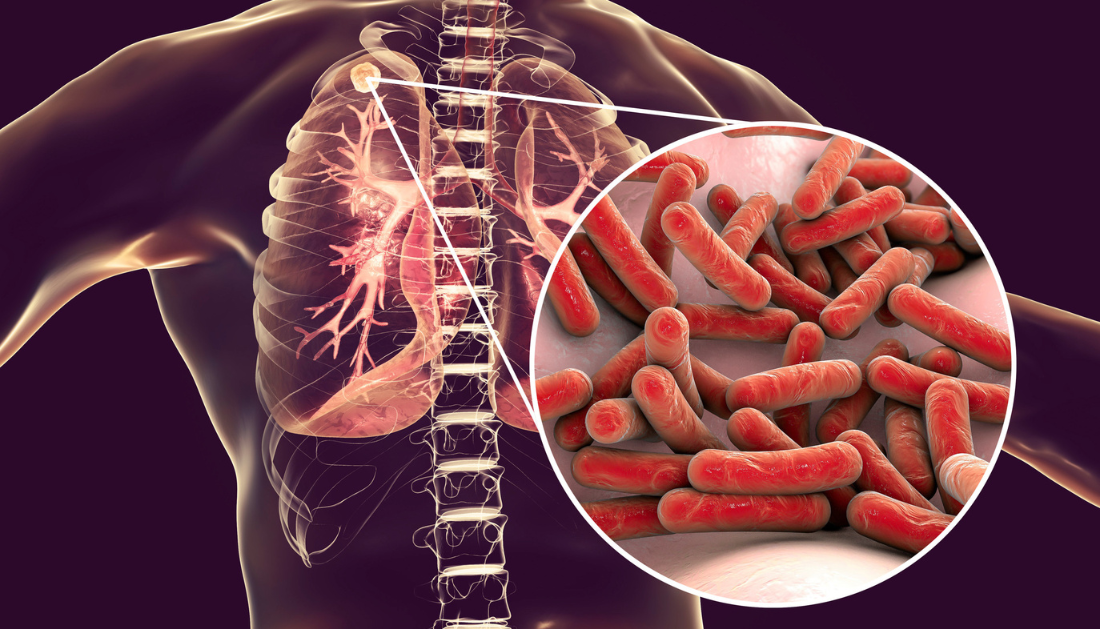
TB Vaccines Show Limited Protection in Large Trial

Despite decades of reliance on the BCG vaccine, tuberculosis remains a persistent global health burden. A large-scale trial published in The BMJ evaluated two investigational vaccines, VPM1002 and Immuvac, across over 12,700 participants in India.
The study targeted household contacts of confirmed TB patients, a group at high risk of infection. Participants aged 6 years and above were randomized to receive either vaccine or placebo and followed for 38 months.
While both vaccines were safe and generated immune responses, they did not prevent overall TB incidence or latent TB infection, which remains a key challenge in TB control strategies.
The most clinically relevant finding lies in disease progression prevention. Both vaccines demonstrated the ability to reduce the transition from latent TB infection to active disease.
Notably:
These findings are significant because extrapulmonary TB, affecting organs beyond the lungs, often carries higher morbidity and mortality risks than pulmonary TB.
However, neither vaccine demonstrated effectiveness in underweight individuals, reinforcing the need for integrated nutrition and immunization strategies in TB-endemic regions.
For healthcare professionals, this trial underscores a nuanced but important shift in TB vaccine development. While these candidates may not replace the BCG vaccine, they could serve as adjunct tools in preventing disease progression, especially in high-risk populations.
The study also reflects real-world clinical diversity, including individuals with comorbidities such as diabetes. However, limitations such as pandemic-related disruptions and geographic specificity suggest that further global trials are needed.

 GLP-1 Health Information: Quality, Completeness, & Engagement
Key Points A study assessed 128.
 DNA Damage Response May Drive Biological Aging
Key Points Chronic DNA damage response.
 Psychedelic-Assisted Psychotherapy: Music in Treatment
Key Takeaways Psychedelic-assisted psychotherapy combines psychedelic.
 Cardiovascular Frailty Links Heart Health and Aging
Key Points Cardiovascular frailty may connect.
 Laser Blended Vision: Simple Test Predicts Success
Key Points A simple phoropter-based test.
 Smoking and Loneliness Linked in Large European Study
Key points: A Europe-wide study of.
 Rett Syndrome: Carotid Body Linked to Breathing Dysfunction
Key Points Rett syndrome is associated.
 Alzheimer’s Disease Blood Test Receives FDA Clearance
Key Points FDA clears PrecivityAD2, a.
 Pediatric Cancer Clinical Trial Participation: Key Barriers
Key Takeaways Black and Hispanic families.
 Tobacco Risk Awareness Stagnates Despite Global Efforts
Key Summary A global analysis of.
Leave a Comment