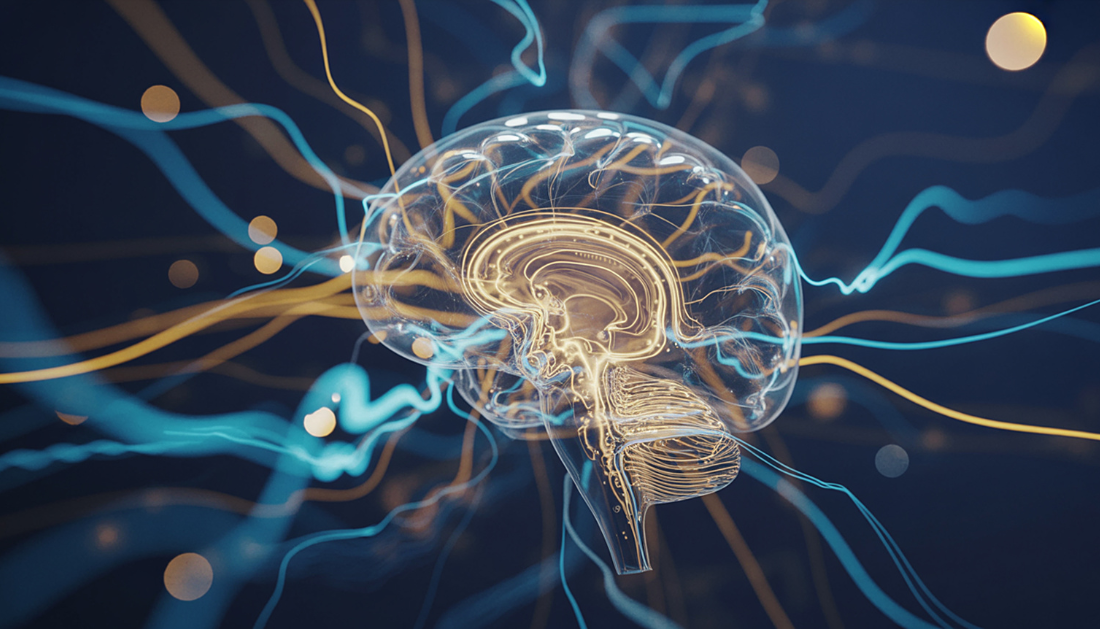
EEG Brain Signals During Wakefulness Vary with Age and Sleep History

Electroencephalography (EEG brain signals) is widely used to evaluate neurological conditions such as epilepsy and sleep disorders. A recent study published in eNeuro highlights that EEG readings taken during wakefulness are not static—they are significantly shaped by both age and prior sleep patterns.
Researchers from the University Children’s Hospital of Zurich analyzed EEG data from 163 individuals aged 3 to 25. Instead of relying on traditional summary metrics, the team applied detailed signal analysis to uncover subtle variations. Their findings confirmed that multiple EEG measures respond differently to sleep history and developmental stage.
One key observation showed an interaction between age and sleep that may reflect greater neuroplastic changes in children. This insight is particularly relevant for clinicians assessing cognitive development, learning patterns, and memory-related processes in pediatric populations.
To assess clinical relevance, researchers examined EEG data from 58 children diagnosed with attention-deficit/hyperactivity disorder (ADHD). Surprisingly, no significant EEG differences were linked solely to ADHD diagnosis.
Instead, sleep quality appeared to play a more substantial role in influencing EEG variability. This finding challenges previous assumptions and suggests that altered EEG patterns in ADHD populations may stem more from sleep disturbances than from neurodevelopmental differences alone.
For healthcare professionals, this reinforces the importance of evaluating sleep history when interpreting EEG findings in pediatric and adolescent patients.
Another important discovery was a developmental shift in EEG responses after sleep, where children and adults showed opposite patterns in one of the measured parameters. This highlights that EEG Brain signals cannot be interpreted uniformly across age groups.
The study emphasizes the need for advanced EEG analytics to move beyond generalized interpretations. By understanding which components of the signal are changing, clinicians can improve diagnostic accuracy in neurology, sleep medicine, and psychiatry.
Ultimately, these findings support a more individualized approach to EEG interpretation, one that considers age, sleep history, and developmental context.

Leave a Comment