
Nasal Microbiome Linked to Nature Exposure and Mental Health

Growing evidence suggests that spending time in nature benefits physical and mental health, but researchers are now uncovering another important factor in this relationship: the **nasal microbiome**. New findings presented at ASM Microbe 2026 indicate that exposure to green spaces and outdoor environments may shape the microbial communities living inside the nose, with potential implications for mental well-being.
Scientists at the Denver Museum of Nature & Science analyzed nasal swab samples from 111 participants and assessed their outdoor habits, mental health status, pet ownership, and surrounding vegetation levels. Using 16S rRNA sequencing and satellite-derived green space mapping, investigators examined how environmental exposure influences nasal microbial diversity.
The study found that participants living in areas with more vegetation generally exhibited greater microbial richness and diversity in their nasal microbiomes. Greater microbial diversity is often considered a marker of a healthier microbial ecosystem, supporting previous observations from microbiome research.
Researchers identified several microbial patterns associated with both outdoor exposure and positive mental health outcomes. Notably, some bacterial groups that were more common among individuals spending increased time outdoors were also linked to improved mental well-being scores.
The analysis revealed that the amount of time spent outside showed a stronger association with nasal microbiome composition than green space availability alone. Participants who reported spending more time outdoors demonstrated lower depressive symptom scores regardless of the level of vegetation surrounding their homes.
These findings suggest that direct interaction with outdoor environments may influence microbial communities in ways that support psychological health. The results add to a growing body of evidence connecting environmental microbial exposure with human health outcomes.
The nasal microbiome remains less studied than the gut microbiome, despite its potential role in immune regulation, respiratory health, and neurological pathways. This study highlights the possibility that environmental exposures may affect mental well-being through changes in nasal microbial composition.
While the findings are preliminary and do not establish causation, they provide a foundation for future investigations into how lifestyle behaviors influence microbial ecosystems and mental health. For healthcare professionals, the research reinforces the importance of environmental and behavioral factors as contributors to overall well-being.
As microbiome science continues to expand, the nasal microbiome may emerge as an important area for understanding the biological pathways linking nature exposure, mental health, and preventive healthcare strategies.

 Psychedelic-Assisted Psychotherapy: Music in Treatment
Key Takeaways Psychedelic-assisted psychotherapy combines psychedelic.
 Psilocybin Microdosing Research Raises Key Questions
Key points: Psilocybin microdosing research shows.
 Smoking and Loneliness Linked in Large European Study
Key points: A Europe-wide study of.
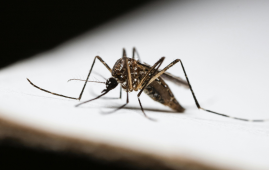 Malaria Vaccination Turns Mosquito Bites Into Immune Boosters
Key takeaways: WEHI researchers developed a.
 Lead Exposure in Indoors and Contamination in Soil
Key Points Lead contamination in soil.
 Early-Life Stress Linked to Lasting Brain Epigenetic Changes
Key Points Early-life stress (ELS) increased.
 Rapid-Acting Antidepressants Share Neuroimmune Pathways
Key Points Researchers identified common neuroimmune.
 Drinking Water With Meals Linked to Higher Food Intake
Key Points Summary A new Appetite.
 Cyclosporiasis Risk: Who Faces the Highest Threat?
Key Summary Cyclosporiasis cases are increasing.
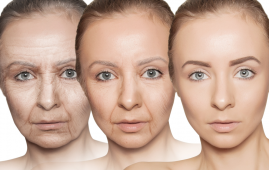 EP2 Receptor Research Opens New Path for Healthy Aging
Key Points Researchers identified the EP2.
Leave a Comment