Chronic Xanthan Gum May Trigger Colon Inflammation: Study

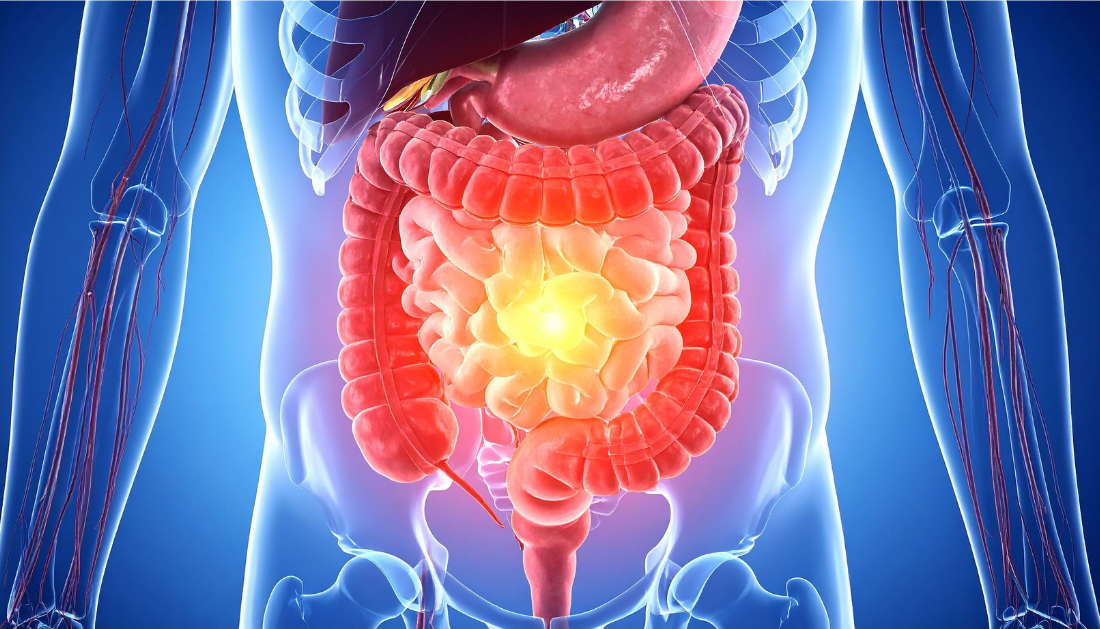
Food additive Chronic xanthan gum, commonly found in processed foods, protein shakes, and dysphagia thickeners, may contribute to intestinal inflammation when consumed over an extended period, according to a new experimental study published in PLOS One. Researchers from the Federal University of São Paulo (UNIFESP), Brazil, found that chronic xanthan gum intake triggered colon inflammation, disrupted intestinal barrier function, and altered gut microbial balance in rats. The findings provide new mechanistic evidence that may help explain earlier clinical observations linking xanthan gum to severe intestinal complications in premature infants.
Although the research was conducted in animals, investigators caution that the findings warrant further translational studies to better understand the long-term health effects of regular xanthan gum consumption in humans, particularly among vulnerable patient populations.
Researchers fed rats diets containing xanthan gum for 10 weeks and evaluated inflammatory, histological, and microbiological changes in the colon. The study demonstrated a dose-dependent increase in inflammatory cell infiltration within intestinal tissue, particularly among animals receiving moderate and high concentrations of the additive.
The investigators also identified increased expression of Claudin-2, a protein that regulates intestinal permeability. Higher Claudin-2 levels indicated weakened intestinal barrier integrity, allowing inflammatory pathways to become activated. Consistent with this finding, researchers measured elevated concentrations of the pro-inflammatory cytokines IL-1β and TNF-α, both of which are associated with intestinal epithelial injury and chronic inflammatory bowel conditions.
The study suggests that prolonged xanthan gum exposure may contribute to intestinal barrier dysfunction, chronic inflammation, and altered immune responses through increased gut permeability.
Beyond inflammation, chronic xanthan gum consumption also modified the composition of the gut microbiota. While overall bacterial diversity remained relatively stable, researchers observed an increase in bacteria belonging to the Elusimicrobiota phylum, a microbial group previously associated with inflammatory states and gut dysbiosis.
The findings also offer biological support for earlier reports involving necrotizing enterocolitis (NEC) in premature infants. In 2012, multiple NEC cases were reported in premature newborns receiving xanthan gum-thickened formula, prompting the U.S. FDA to advise against its use in infants. The current experimental model provides mechanistic evidence linking xanthan gum exposure with intestinal inflammation and compromised barrier function.
Researchers emphasize that the results should not be interpreted as evidence that occasional dietary xanthan gum intake is harmful. Instead, they highlight the need for carefully designed human studies to evaluate cumulative exposure, particularly in individuals who rely on xanthan gum-based thickeners for dysphagia management. Monitoring gastrointestinal health and considering supportive strategies, such as probiotics where clinically appropriate, may be beneficial for selected patients while additional evidence continues to emerge.

 Pink Noise Boosts Brain Waste Clearance During Sleep
Key Points Pink noise delivered during.
 Psilocybin Microdosing Research Raises Key Questions
Key points: Psilocybin microdosing research shows.
 Maternal Illness Linked to Epigenetic Fetal Brain Changes
Maternal illness during pregnancy may influence.
 Rett Syndrome: Carotid Body Linked to Breathing Dysfunction
Key Points Rett syndrome is associated.
 SGLT2 Inhibitors Boost Cardiac Energy Through PANK1
Key Points SGLT2 inhibitors directly activate.
 Daraxonrasib Approved for Metastatic Pancreatic Cancer
Key Points FDA approved daraxonrasib (RASONQUE).
 Nicotine E-Cigarettes Help More Smokers Quit Than NRT
Key Points Nicotine e-cigarettes helped more.
 AI Identifies Key Gene Driving Hematopoietic Stem Cell Aging
Key Points AI analysis identified Pbx1.
 Alzheimer’s Disease Blood Test Receives FDA Clearance
Key Points FDA clears PrecivityAD2, a.
 Intravenous Iron Improves Recovery After Heart Surgery
Key points A large multicenter randomized.
Leave a Comment