
SuperAgers Show Genetics Alone Don't Predict Memory

Older adults who retain exceptional memory well into their 80s and 90s have long intrigued neuroscientists searching for clues to healthy brain aging. A new study published in Alzheimer’s Research & Therapy suggests that SuperAgers and Alzheimer’s disease risk are not directly linked through common inherited genetic factors. Instead, the findings indicate that exceptional cognitive performance may result from biological resilience and lifestyle-related factors rather than simply carrying fewer Alzheimer’s disease risk genes.
Researchers analyzed genetic profiles from the multisite SuperAging Research Initiative to determine whether lower inherited Alzheimer’s disease (AD) risk could explain why some older adults preserve memory levels comparable to those of individuals decades younger.
The investigators evaluated 142 SuperAgers and 89 cognitively average older adults recruited from five research centers across the United States and Canada. Participants were similar in age and genetic ancestry, while statistical analyses adjusted for age, sex, and education.
The research focused on two widely accepted measures of inherited Alzheimer’s disease susceptibility:
The results showed remarkably similar genetic profiles between both groups.
Approximately 16% of SuperAgers carried at least one APOE ε4 allele compared with 19% of controls, while about 13% of participants in both groups carried the protective ε2 variant. Likewise, Alzheimer’s polygenic risk scores showed no meaningful differences.
Researchers also evaluated hundreds of shared genetic variants and several rare protective Alzheimer’s mutations. None demonstrated a significant association with SuperAger status after statistical correction.
These findings suggest that inherited Alzheimer’s genetic risk alone cannot distinguish individuals with exceptional memory from cognitively healthy peers.
The study proposes that SuperAging is not simply the opposite of Alzheimer’s disease. Although low inherited AD risk supports healthy aging, it does not fully account for the remarkable memory performance observed in SuperAgers.
Instead, researchers suggest multiple interacting mechanisms may contribute to long-term cognitive resilience, including:
Interestingly, several SuperAgers carried relatively high Alzheimer’s genetic risk, making them valuable candidates for future resilience research.
The investigators also acknowledged important limitations. The study did not include amyloid or tau biomarkers, preventing assessment of whether SuperAgers remained cognitively resilient despite underlying Alzheimer’s pathology. In addition, behavioral factors, cardiovascular health, and lifestyle habits were not evaluated, and the modest sample size limited detection of smaller genetic effects.
The findings reinforce that preserving cognitive function into advanced age likely depends on a combination of genetic, biological, vascular, and lifestyle influences. Future longitudinal studies involving diverse populations and integrated biomarker analysis may clarify how these protective mechanisms support healthy brain aging and inform future Alzheimer’s prevention strategies.

 Coffee and Gut Microbiome: Brewing and Metabolic Effects
Key Points Coffee contains caffeine, chlorogenic.
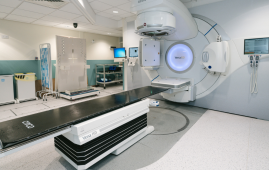 Low-Dose Radiation Therapy Shows Promise in Early Knee OA
Key Points Low-dose radiation therapy was.
 Oral Hormone Replacement Therapy Raises Blood Clot Risk
Key Points Oral hormone replacement therapy.
 GLP-1 Health Information: Quality, Completeness, & Engagement
Key Points A study assessed 128.
 DNA Damage Response May Drive Biological Aging
Key Points Chronic DNA damage response.
 Dietary Polyphenol Intake Associated With Lower MCI Odds
Key Points Older adults without mild.
 Maternal Diet Fails to Reduce Infant Egg and Peanut Allergy
Key Points A large Australian randomized.
 Psychedelic-Assisted Psychotherapy: Music in Treatment
Key Takeaways Psychedelic-assisted psychotherapy combines psychedelic.
 Cardiovascular Frailty Links Heart Health and Aging
Key Points Cardiovascular frailty may connect.
 Laser Blended Vision: Simple Test Predicts Success
Key Points A simple phoropter-based test.
Leave a Comment