
FDA Clears PrecivityAD2 for Alzheimer’s Disease Diagnosis

Alzheimer’s blood test technology has reached a significant regulatory milestone as the U.S. Food and Drug Administration (FDA) cleared PrecivityAD2, a blood-based diagnostic developed by C2N Diagnostics using technology pioneered at Washington University School of Medicine in St. Louis. The test can help identify amyloid plaques associated with Alzheimer’s disease in certain patients, offering clinicians a less invasive diagnostic option.
PrecivityAD2 uses high-resolution mass spectrometry to quantify Alzheimer’s-associated biomarkers in a blood sample. The test measures the ratio of amyloid-beta 42 to 40 (Aβ42/40), along with phosphorylated tau 217 (p-tau217) and total tau 217.
These biomarkers can indicate the presence of amyloid pathology, a defining feature of Alzheimer’s disease. Previous research found that PrecivityAD2 can identify amyloid pathology with more than 90% accuracy and perform comparably with cerebrospinal fluid testing and brain imaging, including among patients with mild cognitive symptoms.
For physicians evaluating patients with memory loss or other cognitive concerns, blood-based biomarkers could complement clinical assessment and other diagnostic information. The FDA clearance also allows C2N to market the test more broadly to clinicians and health systems.
Earlier and more accurate diagnosis has become increasingly important as disease-modifying treatments for Alzheimer’s disease have entered clinical practice. These therapies work best when clinicians identify eligible patients and initiate treatment at an appropriate stage of disease.
A blood-based Alzheimer’s biomarker test may reduce reliance on more invasive procedures such as lumbar puncture and could provide clinicians with additional information during diagnostic evaluation. Broader FDA-cleared access may also support adoption by health systems and potentially improve affordability through insurance coverage.
The technology behind PrecivityAD2 originated from research led by Randall J. Bateman, MD, and David M. Holtzman, MD, at Washington University School of Medicine. Their work on amyloid-beta and tau biology, including stable isotope-linked kinetics (SILK), helped establish the scientific foundation for blood-based Alzheimer’s biomarker testing.
FDA clearance confirms that PrecivityAD2 met regulatory standards for its intended use and provides clinicians with another tool for assessing amyloid pathology. However, biomarker results should be interpreted alongside a patient’s clinical history, symptoms, and other diagnostic findings.
For neurologists, geriatricians, primary care clinicians, nurses, and other healthcare professionals, the growing availability of blood-based biomarkers signals a shift toward more accessible approaches to Alzheimer’s evaluation. Continued research into biomarkers and disease-modifying therapies may further shape how clinicians detect and manage Alzheimer’s disease.

 EEG Monitoring for Cybersickness: New Study Findings
Key takeaways Researchers at the University.
 Brain-Computer Interface Uses EEG in Unresponsive Patients
Key findings at a glance Mind-controlled.
 Gamma Oscillations Restored in Alzheimer’s Disease Mice
Key takeaways Researchers restored parvalbumin (PV).
 Visual Impairment Linked to Higher Dementia Risk
Key findings at a glance A.
 Long-Acting HIV Treatment May Help Drug-Resistant Cases
Key Takeaways A UCSF study found.
 Epilepsy Drugs May Interact With Hormonal Contraceptives
Key points: Nearly one-third of people.
 Night Shift Work Alters Key Circadian Gene Expression
A recent study published in Frontiers.
 Coffee and Gut Microbiome: Brewing and Metabolic Effects
Key Points Coffee contains caffeine, chlorogenic.
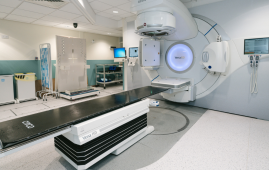 Low-Dose Radiation Therapy Shows Promise in Early Knee OA
Key Points Low-dose radiation therapy was.
 GLP-1 Health Information: Quality, Completeness, & Engagement
Key Points A study assessed 128.
Leave a Comment