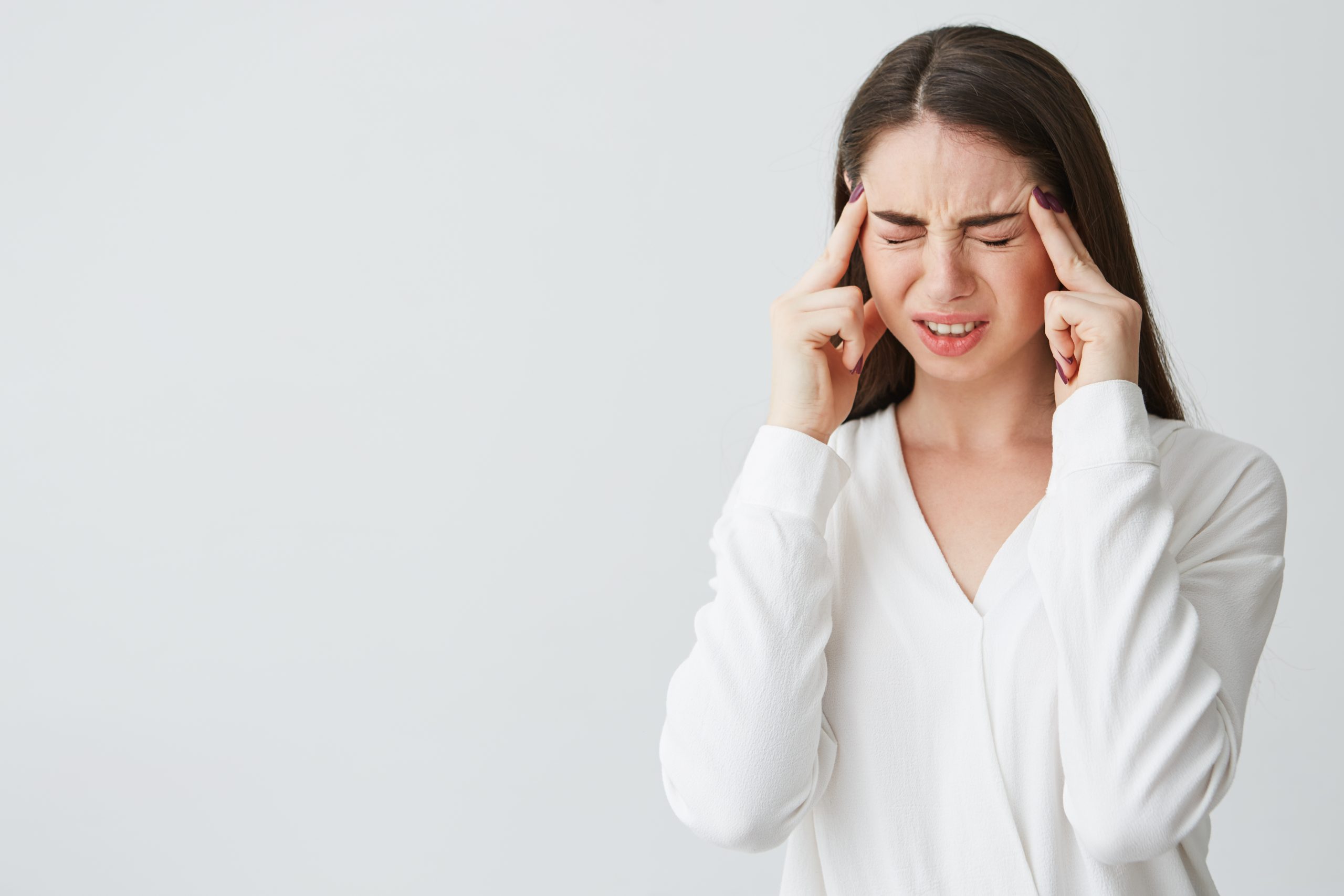
Image by cookie_studio on Freepik

Athletes’ readiness to return to play after concussions may be determined differently thanks to a new digital headset that measures changes in brain function. Researchers from UC San Francisco evaluated the gadget and discovered that it revealed brain alterations in players long after their concussions symptoms had subsided, raising the possibility that they were returning to play too soon.
Athletes, physicians, trainers, and coaches who are worried about the long-term effects of repetitive sports-related concussions may find the device to be quite useful even if it has not yet received FDA approval. These include Parkinson’s, Alzheimer’s, and chronic traumatic encephalopathy.
The headset—UCSF-patented and licensed by medical technology startup MindRhythm—captured variations in the “headpulse,” or the subtle forces the beating heart exerts on the skull.
The device was tested on 101 young people participating in Australian Rules Football who had sustained 44 concussions. Results were published in JAMA Network Open on August 11, 2023.
The headset’s modifications, on average, persisted for 12 days longer than the players’ symptoms did.
“We found a mismatch between symptoms and changes in biometrics recorded by the device,” said Cathra Halabi, MD, of the UCSF Department of Neurology and the Weill Institute for Neurosciences, who is the first author of the study. “This raises concern about relying on symptoms for return-to-play decisions. Delays could be recommended for those symptom-free athletes if head pulse abnormalities persist.”
The headset should be used in conjunction with medical competence, according to researchers.
“We believe that it can provide critical objective biometric measures that can be used by athletes and medical professionals to decide when to return to play,” said senior author Wade S. Smith, MD, Ph.D., chief of the UCSF Neurovascular Division and co-founder of MindRhythm. “The headset is also used to monitor athletes afterward to ensure measures remain in the normal range.”
Return to exercise could put a concussed brain at risk
The danger of brain injury is higher when playing sports after a concussion. “There is a rare condition called second impact syndrome, where a soon-after second concussion can cause near immediate brain death,” Smith said.
More frequently, playing sports after a concussion may raise the chance of developing a brain injury owing to symptoms including slowed reaction time, unstable balance, or blurred vision.
“Recurrent concussions in close succession can lead to more debilitating symptoms that last longer, keeping athletes out of the game,” Halabi said.
Although the headset was tested on young people, it may someday be made available to children as well. MindRhythm is hoping to acquire FDA approval within one year, said co-founder and chief executive officer John Keane. “The plan is to make the technology available to the medical community, with the most likely areas of interest being sports medicine physicians and concussion clinics,” he said.
The researchers stated that athletes who have suffered concussions might be able to record their own physiological data. Clinicians or athletic trainers would remotely monitor the data and offer recommendations on how soon it would be safe to resume playing sports and engaging in other physical activity.

 Gamma Oscillations Restored in Alzheimer’s Disease Mice
Key takeaways Researchers restored parvalbumin (PV).
 Coffee Consumption Linked to Lower Recurrent VTE Risk
Key points at a glance Study.
 Body Roundness Index Linked to Higher Heart Attack Risk
Key findings at a glance Study.
 Maternal Diet Fails to Reduce Infant Egg and Peanut Allergy
Key Points A large Australian randomized.
 Visual Impairment Linked to Higher Dementia Risk
Key findings at a glance A.
 Long-Acting HIV Treatment May Help Drug-Resistant Cases
Key Takeaways A UCSF study found.
 Night Shift Work Alters Key Circadian Gene Expression
A recent study published in Frontiers.
 Tirzepatide Weight Loss: Fat Mass and Muscle Findings
Key points Tirzepatide was associated with.
 Coffee and Gut Microbiome: Brewing and Metabolic Effects
Key Points Coffee contains caffeine, chlorogenic.
 Low-Dose Radiation Therapy Shows Promise in Early Knee OA
Key Points Low-dose radiation therapy was.
Leave a Comment