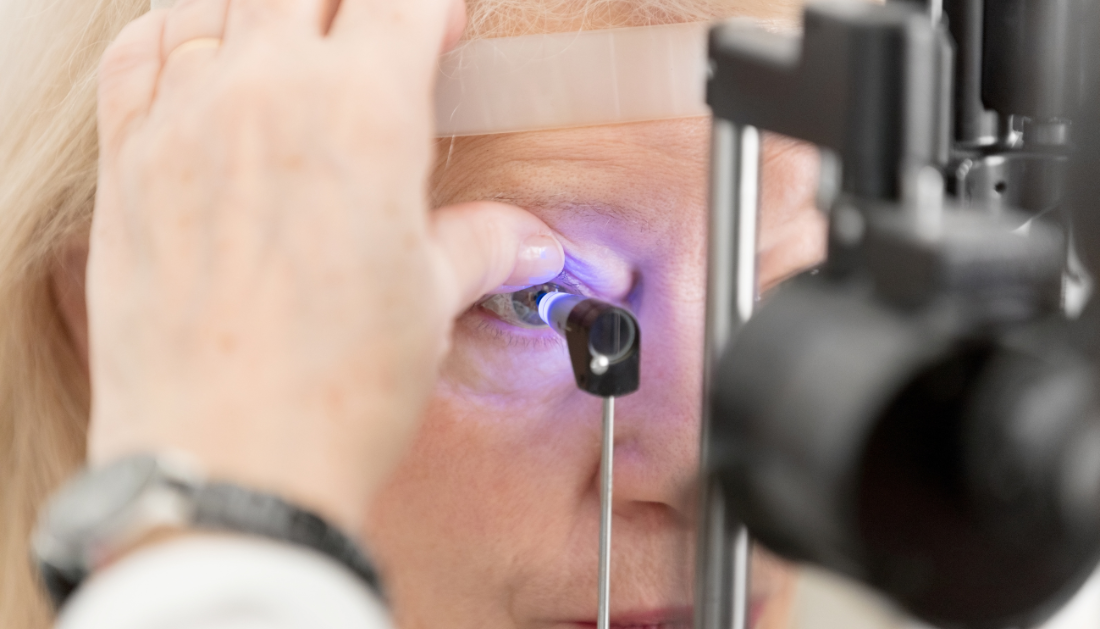
Study : Controlling donor and newborn neuron migration and maturation in the eye through microenvironment engineering

Researchers working with mice have discovered a potential new technique for treating glaucoma, one of the main causes of blindness globally.
There are no treatments available to reverse visual loss caused by the death of retinal ganglion cells, or RGCs.
The RGCs were created from blood stem cells by a multidisciplinary team coordinated by Harvard Medical School researchers at the Schepens Eye Research Institute of Mass Eye and Ear.
The researchers altered the microenvironment in the eye to allow them to extract stem cells from blood and convert them into retinal ganglion cells capable of migrating and surviving in the retina of the eye.
They did their research on adult mouse retinas. If the findings are duplicated in people, the research could be applied to the human retina one day.
Replacement treatment for cells
Some study has looked into replacing RGCs by cell transplants, but this technique, which is currently in the research and development stage, has limits. A more accurate method of repopulating these cells in the retina is required.
One restriction that hinders current stem cell transplantation procedures from being successful in the retina is that the bulk of donor cells remain at the site of injection rather than migrating to where they are most required.
To find a better alternative, the MEE team grew RGCs from stem cells and then examined the capacity of several signaling molecules known as chemokines to direct these new neurons to their proper places inside the retina.
The researchers employed a big data strategy. They looked at hundreds of such chemicals and receptors and discovered 12 that are unique to RGCs. They discovered that stromal derived factor 1 was the most effective molecule for migration and transplanting.
“This method of using chemokines to guide donor cell movement and integration represents a promising approach to restoring vision in glaucoma patients,” said senior author Petr Baranov, a Schepens HMS assistant professor of ophthalmology. “It was an exciting journey to work with a team of talented scientists with unique expertise to develop novel techniques to modify the local environment to guide cell behavior — techniques that potentially could be applied to treat other neurodegenerative conditions.”
Members of Baranov’s lab at Mass Eye and Ear, including bioengineer and lead study author Jonathan R. Soucy and lead bioinformatician Emil Kriukov, co-led the study.

 Gamma Oscillations Restored in Alzheimer’s Disease Mice
Key takeaways Researchers restored parvalbumin (PV).
 Coffee Consumption Linked to Lower Recurrent VTE Risk
Key points at a glance Study.
 Body Roundness Index Linked to Higher Heart Attack Risk
Key findings at a glance Study.
 Maternal Diet Fails to Reduce Infant Egg and Peanut Allergy
Key Points A large Australian randomized.
 Visual Impairment Linked to Higher Dementia Risk
Key findings at a glance A.
 Long-Acting HIV Treatment May Help Drug-Resistant Cases
Key Takeaways A UCSF study found.
 Night Shift Work Alters Key Circadian Gene Expression
A recent study published in Frontiers.
 Tirzepatide Weight Loss: Fat Mass and Muscle Findings
Key points Tirzepatide was associated with.
 Coffee and Gut Microbiome: Brewing and Metabolic Effects
Key Points Coffee contains caffeine, chlorogenic.
 Low-Dose Radiation Therapy Shows Promise in Early Knee OA
Key Points Low-dose radiation therapy was.
Leave a Comment