
Teen Cannabis Use Linked to Poor Academic Outcomes

A recent meta-analysis published in JAMA Pediatrics has uncovered a significant link between adolescent cannabis use and lower academic achievement, including reduced high school graduation rates, decreased university enrollment, and an overall decline in academic performance. The findings raise critical concerns amid increasing cannabis legalization and declining risk perceptions among youth.
The analysis reviewed 63 studies involving over 400,000 adolescents and young adults under the age of 24. Researchers found moderate-certainty evidence indicating that cannabis use negatively affects multiple academic outcomes, including lower school grades, higher absenteeism, and increased dropout rates.
Researchers noted that increased legalization and changing public perceptions around cannabis have led to a rise in adolescent consumption, despite mounting evidence of its adverse effects on education and long-term career outcomes.
While the study offers robust insights, it is limited by its reliance on observational data and variability in outcome measurements across different studies. Furthermore, most studies analyzed were conducted in the United States, which may affect the generalizability of the findings globally.
Study authors emphasized that addressing these concerns requires enhanced education programs, targeted awareness campaigns, and updated public health strategies to reduce adolescent cannabis use and its negative academic impacts.
As cannabis use becomes more normalized, there is an urgent need for evidence-based interventions to mitigate its effects on youth development, education, and future opportunities.
More Information: Chan O, Daudi A, Ji D, et al. Cannabis use during adolescence and young adulthood and academic achievement: a systematic review and meta-analysis. JAMA Pediatr. Published online October 7, 2024. doi:10.1001/jamapediatrics.2024.3674

 Brain-Computer Interface Uses EEG in Unresponsive Patients
Key findings at a glance Mind-controlled.
 Gamma Oscillations Restored in Alzheimer’s Disease Mice
Key takeaways Researchers restored parvalbumin (PV).
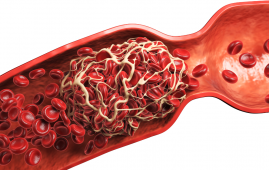 Coffee Consumption Linked to Lower Recurrent VTE Risk
Key points at a glance Study.
 Body Roundness Index Linked to Higher Heart Attack Risk
Key findings at a glance Study.
 Maternal Diet Fails to Reduce Infant Egg and Peanut Allergy
Key Points A large Australian randomized.
 Visual Impairment Linked to Higher Dementia Risk
Key findings at a glance A.
 Long-Acting HIV Treatment May Help Drug-Resistant Cases
Key Takeaways A UCSF study found.
 Night Shift Work Alters Key Circadian Gene Expression
A recent study published in Frontiers.
 Tirzepatide Weight Loss: Fat Mass and Muscle Findings
Key points Tirzepatide was associated with.
 Coffee and Gut Microbiome: Brewing and Metabolic Effects
Key Points Coffee contains caffeine, chlorogenic.
Leave a Comment